

It feels like only yesterday that the UK was shaking off the dust of the last heatwave, yet here we are again, staring down the barrel of another intense spell of hot weather. While many of us welcome the sunshine, this upcoming period feels decidedly different, and perhaps a bit more daunting. The Met Office has signaled that this isn’t just a repeat of May; this heatwave is bringing a thick, heavy humidity that promises to make the air feel “muggy” and oppressive. With temperatures climbing toward the 30C mark in the south, the UK Health Security Agency has responded with amber health alerts, covering London and most of the southern regions of England. This warning remains active until Tuesday evening, serving as a reminder that this is more than just a reason to break out the picnic blankets—it’s a weather event that requires genuine caution.
The primary concern behind these amber alerts is the strain this heat puts on our bodies and our social care services. Unlike dry, bright sunshine, this particular weather pattern brings a stifling humidity that makes it difficult for our bodies to cool down, even once the sun goes down. Meteorologists have warned that we should prepare for “tropical nights,” where temperatures refuse to dip below 20C. For the elderly and those with pre-existing health conditions, this lack of relief at night is particularly taxing, leading to a higher risk of exhaustion and other heat-related complications. Even for the young and healthy, the lingering moisture in the air will likely make the daytime heat feel significantly more intense than the actual thermometer reading suggests.
Beyond the physical discomfort, this shift in weather brings a touch of unpredictability. Because the air is so heavy with moisture, the Met Office has cautioned that we shouldn’t be surprised if the heat breaks with sudden, intense thunderstorms. Trying to pinpoint exactly where these will strike is notoriously difficult, but they warn that wherever they land, they are likely to be dramatic, featuring heavy downpours and lightning. It is a classic case of the weather becoming volatile, reminding us that nature often finds its own balance after a period of intense, stagnant heat. It adds another layer of disruption to our daily planning, as we move from stifling dry heat to sudden, violent bursts of weather.
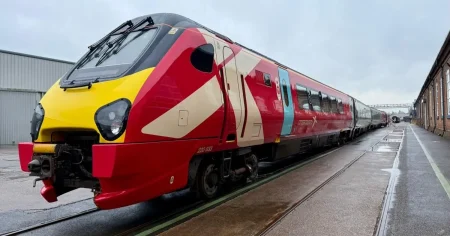
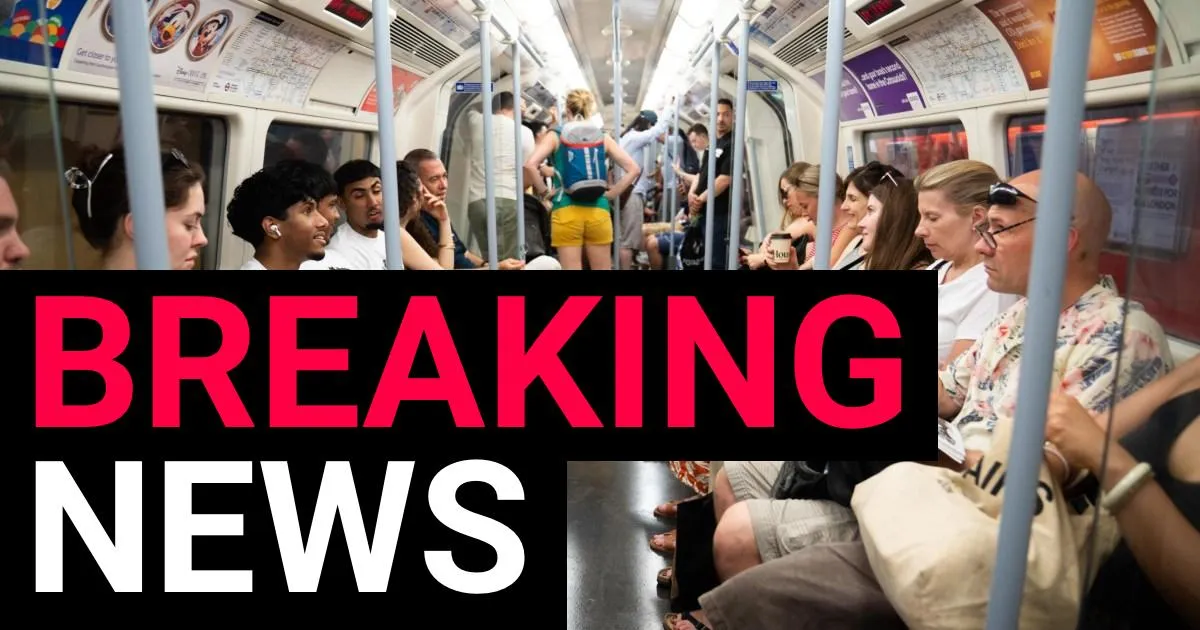
For those attempting to commute or travel over the coming days, the heat poses a very real mechanical threat. Our infrastructure, particularly the rail network, isn’t always built to withstand such sustained high temperatures. When tracks heat up to excess, they can expand and buckle, forcing National Rail to impose temporary speed restrictions to ensure passenger safety. This ripple effect inevitably leads to delays and, in some cases, cancellations. If you are planning a trip on the London Underground or the national rail network, it is well worth carrying extra water and checking your journey status before you set off, as the “sticky” conditions in tunnels and on platforms only add to the journey’s stress.
Drivers are also being encouraged to rethink their travel habits to avoid being caught in the worst of the mid-afternoon glare. Experts from the AA have emphasized that your car needs as much care as your body does during a heatwave. Checking your coolant and oil levels is essential, but equally important is being prepared for the potential of a breakdown in the sun. This means carrying more water than you think you’ll need, packing snacks and sunscreen, and ensuring you have your phone charger handy. Most importantly, it serves as a stern reminder never to leave children or pets inside a hot vehicle, even for the briefest of moments, as internal temperatures can spike to lethal levels in just minutes.
Ultimately, while the instinct to enjoy the rare British heat is strong, this week demands a more measured approach. We are looking at a period where health and safety must take precedence over the temptation to soak up every rays of sun. By keeping hydrated, checking in on neighbors who might be vulnerable, and allowing ourselves extra time for travel, we can navigate these “tropical” days without the misery that often accompanies such extreme weather. Stay cool, stay prepared, and remember that when the air feels this heavy, it’s completely okay to seek out the shade and prioritize your comfort until the forecast finally gives us a break.