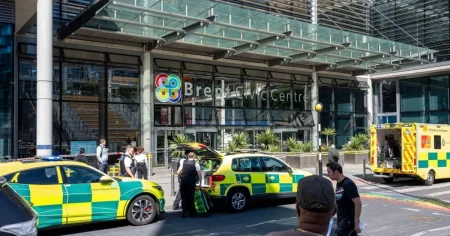


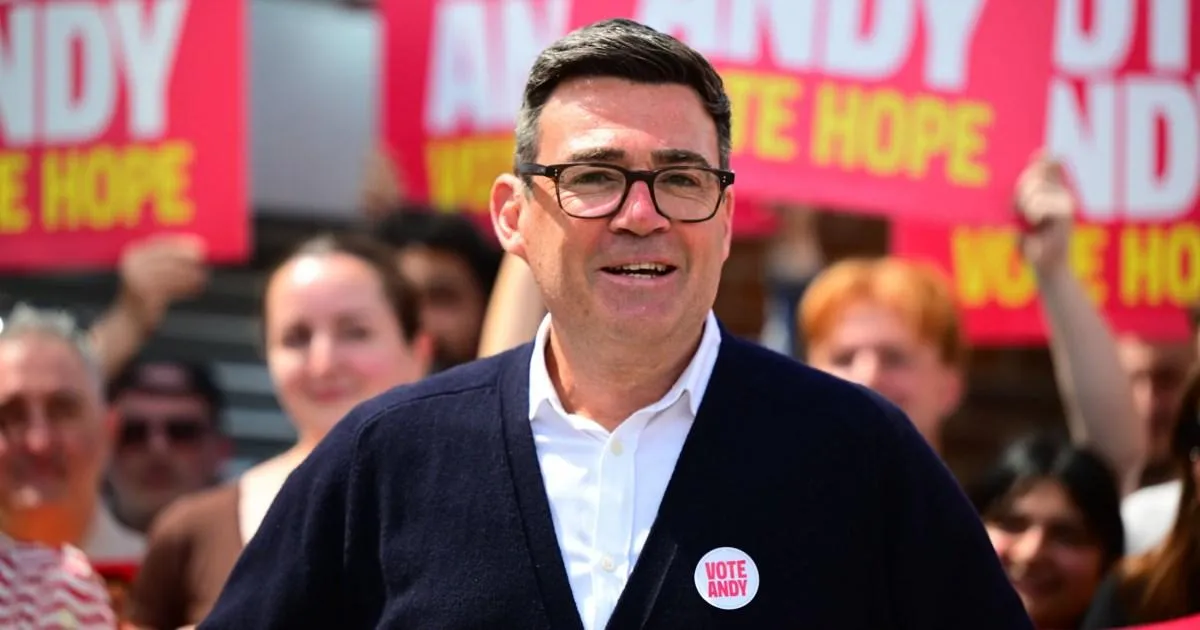
As the Makerfield by-election reaches a fever pitch, the political atmosphere has turned increasingly hostile, with Reform UK launching a last-minute volley of allegations against Labour candidate Andy Burnham. The Reform party has accused the Greater Manchester Mayor of potentially breaching COVID-19 lockdown regulations during the summer of 2021, citing a small incident at his home where fire services were called to attend to a minor emergency. During that visit, authorities reportedly encountered Burnham, his immediate family, and two additional teenagers. Reform’s camp suggests that these extra guests may have violated the strict social gathering laws of the time—a charge that, if substantiated, would have carried a £200 fine. However, local police have officially closed the matter, noting that the statutory time limit for investigating such historical lockdown-related infractions has long since passed.
Burnham and his inner circle have wasted no time in dismissing these claims, labeling them a “desperate” smear campaign timed specifically to sabotage his momentum in the final hours of the by-election. By framing these allegations as a distraction, the Burnham camp is attempting to keep the focus on his broader political narrative: a push for a genuine shift in the national trajectory. Supporters argue that dredging up ambiguous, years-old social distancing questions now is a clear sign that his political rivals are rattled. For Burnham, who has positioned himself as an outsider voice ready to lead the country, this latest controversy feels less like a genuine inquiry and more like a tactical attempt to muddy the waters in a contest that carries profound weight for the future of the Labour party.
The stakes for this by-election could hardly be higher. As polls open, the constituency of Makerfield has effectively become the epicenter of a national political drama. Sir Keir Starmer has already dangled the prospect of a senior role for Burnham in his government, an olive branch that highlights the internal pressures currently gripping the Labour party. Yet, there is a visible distance between the two men; Burnham’s allies have been quick to signal that he is not interested in merely joining an existing cabinet. Instead, they emphasize that his greatest asset is his perceived independence—his ability to offer the electorate a “wind of change” by staying untainted by the current government’s recent struggles and policy failures.
Behind the scenes, the situation appears even more volatile, with reports suggesting that the government has narrowly avoided a total breakdown. According to accounts from The Guardian, key Cabinet members have allegedly been mulling over early resignations, with Burnham’s supporters quietly working to cool tensions rather than allowing the administration to descend into complete chaos before voters reach the booths. The maneuvering is complex, involving figures like Wes Streeting, who has reportedly met with Burnham amid his own leadership aspirations. The Prime Minister remains steadfast in his refusal to step aside, but the air is thick with the anticipation that a loss or even a narrow victory in Makerfield could force his hand, opening the door for an immediate and potentially brutal leadership contest.
Beyond the internal power struggles, the election represents a broader ideological clash for the soul of the country. Burnham has been vocal in his opposition to Reform UK and their candidate, Robert Kenyon, warning that a win for the challenger would signal a move toward the toxic, fractured politics often seen on the other side of the Atlantic. He has spoken passionately about wanting to preserve a Britain where neighbors can still engage in civil, human conversation, regardless of their political differences. He views the tactics employed by Reform as a slide toward the “darker and more divided” political environment that he believes ultimately serves to weaken the national fabric rather than strengthen it.
Ultimately, today’s vote in Makerfield is about much more than a local parliamentary seat; it is a referendum on the direction of British leadership. Whether voters choose to validate the steady, if challenging, status quo favored by the incumbent leadership, or opt for the populist shift represented by Reform, or a new beginning under Burnham, the ripple effects are expected to be immediate. As the sun sets on the voting period, the contrast between the high-stakes maneuvering in Westminster and the genuine, everyday concerns of the residents in the constituency remains striking. The allegations of the past few days have threatened to overshadow the issues, but for the people of Makerfield, the final choice remains as simple as it is consequences-laden: which path will guide the country into the future?