


The residents of Jaén, a historic city in southern Spain, recently found themselves at the mercy of a sudden and violent meteorological event that turned a quiet evening into a scene of chaotic survival. Within the span of just twenty minutes, the sky opened up, dumping a staggering 30 litres of rain per square metre onto the city streets. What began as a typical summer night quickly transformed into a terrifying ordeal as the sheer volume of water overwhelmed urban drainage systems, turning roads into rushing torrents. The rapid transition from sunshine to catastrophe left both pedestrians and motorists trapped in a landscape that had become unrecognizable, testing the bravery and resilience of everyone caught in its path.
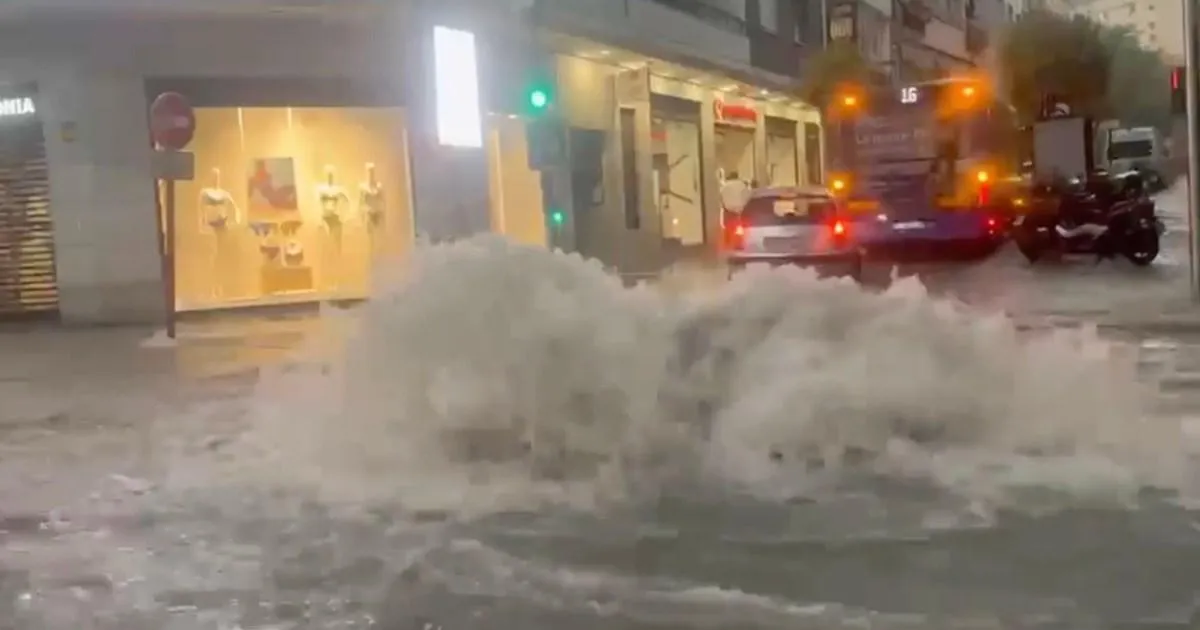
The visuals from the storm were nothing short of nightmarish. As the streets turned into riverbeds, people were physically swept off their feet by the force of the water, struggling to find any footing against the relentless current. Footage captured during the event shows a scene of pure desperation: people shouting for help, wheelie bins behaving like uncontrollable projectiles as they floated down the street, and paving stones being lifted from the ground as if they were made of cardboard. One man was caught on camera being swept helplessly down a thoroughfare, a stark reminder of the raw, untameable power of Mother Nature. Café and bar terraces, which had been bustling with people enjoying the evening warmth moments before, were swiftly submerged, turning social hubs into dangerous, restricted flood zones.
The aftermath of this twenty-minute deluge was immediate and widespread. Emergency services, including police and firefighters, were inundated with more than 110 distress calls, mostly concerning flash flooding in residential garages and basements. The city council was forced to declare a “pre-emergency” state, mobilizing cleanup crews to work through the night to clear debris and restore a semblance of normalcy. Besides the water damage, large sections of the city suffered from power cuts, leaving many in the dark as they navigated the wreckage left behind by the flash flood. It was a harrowing reminder of how quickly the infrastructure we rely on can fail when faced with such an intense concentration of rainfall.
Despite the intensity of the storm and the clear danger presented by the rushing waters, there was a profound sense of relief the following morning: local authorities confirmed that, against all odds, not a single person had been seriously hurt. The images of people struggling against the current suggested a much graver outcome, but quick thinking and the intervention of fellow citizens played a crucial role in preventing a tragedy. The streets, which had been rivers of debris only hours prior, began to reveal the true extent of the damage as the water receded, but the lack of casualties remained the most significant takeaway from an otherwise harrowing event.
The emotional impact on the locals was profound, with many expressing a mix of shock and disbelief at the sheer scale of the incident. Residents who have lived in Jaén for years—a city of approximately 110,000 people—described the event as unlike anything they had ever witnessed. One survivor simply called it “incredible,” struggling to find the words to describe the velocity of the water, while another local, Maria del Mar Sanchez, shared a visceral reaction, admitting she had never seen anything like it in her entire lifetime. For many, the storm served as a wake-up call regarding the unpredictable nature of our changing climate, even in regions accustomed to hot, dry summer evenings.
Ultimately, the events in Jaén serve as a sobering portrait of human vulnerability in the face of extreme weather. While the city has begun the process of rebuilding and clearing out the mud and debris, the collective memory of that twenty-minute deluge will likely linger for quite some time. The storm acted as a great equalizer, stripping away the comfort of urban life and forcing neighbors to look out for one another in the dark of a power outage. As the city recovers, the residents are left to reflect on the fragility of their daily routines and the absolute necessity of being prepared for the unexpected when the horizon suddenly turns black.