


The tragic passing of 21-year-old Maria Eduarda Rodrigues de Freitas at a bungee jumping site in Limeira, São Paulo, has sent shockwaves through Brazil and beyond. A promising young model with her whole life ahead of her, Maria Eduarda had traveled to the Ponte do Esqueleto—a decommissioned railway bridge renowned for its extreme sports—filled with the kind of youthful excitement that defines early adulthood. Her final social media posts, which featured photos of the venue and a playful, lighthearted caption asking who had allowed her to take such a leap, painted a picture of a vibrant young woman looking forward to an adventurous day. Sadly, that day ended in an unimaginable nightmare.
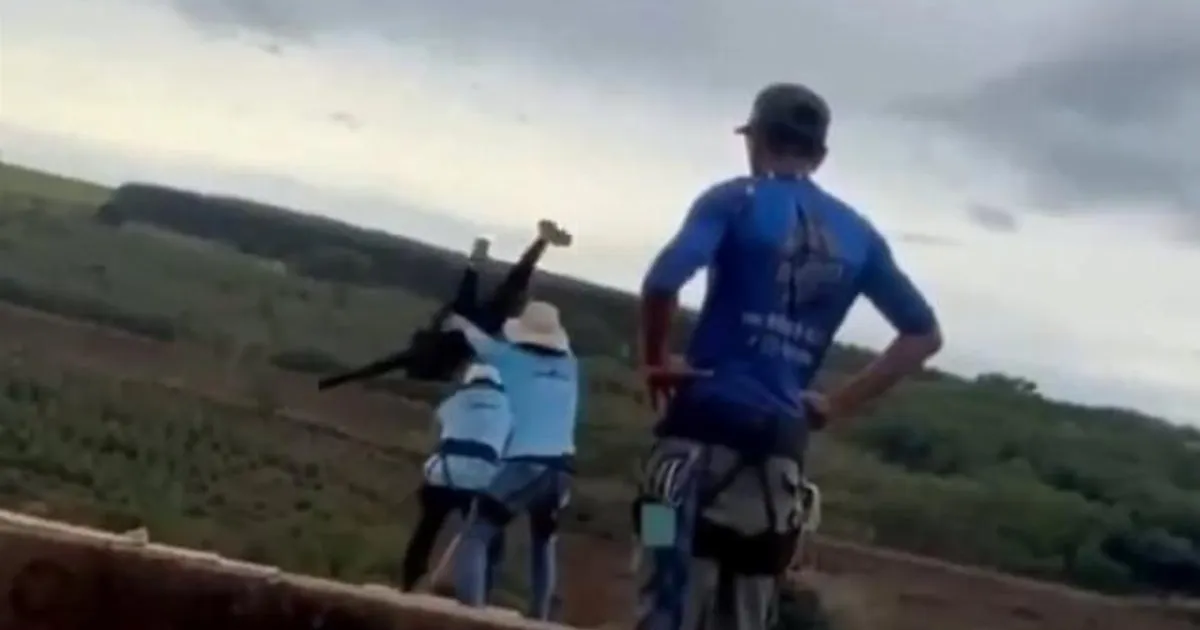
The sequence of events leading to the tragedy is as harrowing as it is difficult to fathom. Witnesses described a chaotic scene, where Maria Eduarda was carried to the edge of the 130-foot drop in a horizontal “Superman” pose by instructors. In a moment of sickening negligence, those in charge threw her from the bridge without ever securing her to a bungee cord. Spectators immediately realized the horrific mistake, their frantic screams of “the rope, the rope!” echoing through the air as she plunged toward the ground. It remains a haunting testament to human error that the safety line was caught on camera lying abandoned on the platform as the instructors peered down at their fallen client.
The immediate aftermath was one of confusion and immense grief. Emergency responders, including firefighters and paramedics, rushed to the site, but there was nothing they could do; Maria Eduarda was pronounced dead at the scene. The gravity of the situation was made evident by the suspicious behavior of those operating the jump. Local reports indicate that several individuals attempted to escape into the nearby woodland following the fall. The response was swift, with police utilizing a helicopter unit to track them down. Ultimately, six people were brought in for questioning at the 2nd Police District in Limeira, with three men reportedly being taken into formal custody as the investigation into this preventable tragedy began.
As the authorities delve into the circumstances surrounding the incident, the focus has turned to the companies involved: Entre Cordas and a linked instructor outfit called Ih Voei. Evidence suggests that staff on-site were wearing branded apparel, clearly linking the instructors to these operators. Shortly after the tragedy hit the news, the Instagram account for Entre Cordas—which had been promoting “a jump to the extraordinary”—was deactivated. The contrast between that marketing slogan and the grim reality of the site is stark, raising urgent questions about the lack of safety protocols, the qualifications of the staff, and the complete failure of the operation to ensure the most basic standards of security.
For the family and friends of Maria Eduarda, the “jump to the extraordinary” has become a symbol of total, avoidable devastation. The loss of a 21-year-old in such a senseless manner serves as a bitter reminder of the sanctity of life and the heavy responsibility held by those who organize high-stakes activities. It is not merely a story of a jump gone wrong, but a story of a system failing to protect a young woman who placed her trust in strangers. Whether the investigation concludes this was a matter of terminal negligence or criminal incompetence, the fact remains that a young life was extinguished because those tasked with her safety failed in their fundamental duty.
Moving forward, the incident has ignited a wider conversation in Brazil regarding the regulation of extreme sports. While thrill-seekers continue to search for the next adrenaline rush, this tragedy has underscored the necessity for strict, government-enforced safety standards at every independent adventure site. As the police continue their inquiry into whether criminal negligence led to Maria Eduarda’s death, the community remains in mourning, remembering her not for the tragic way she died, but for the light and potential she carried in the years before this catastrophe. Her memory serves as a somber call for accountability, ensuring that such a heartbreaking failure of duty is neither ignored nor forgotten.