


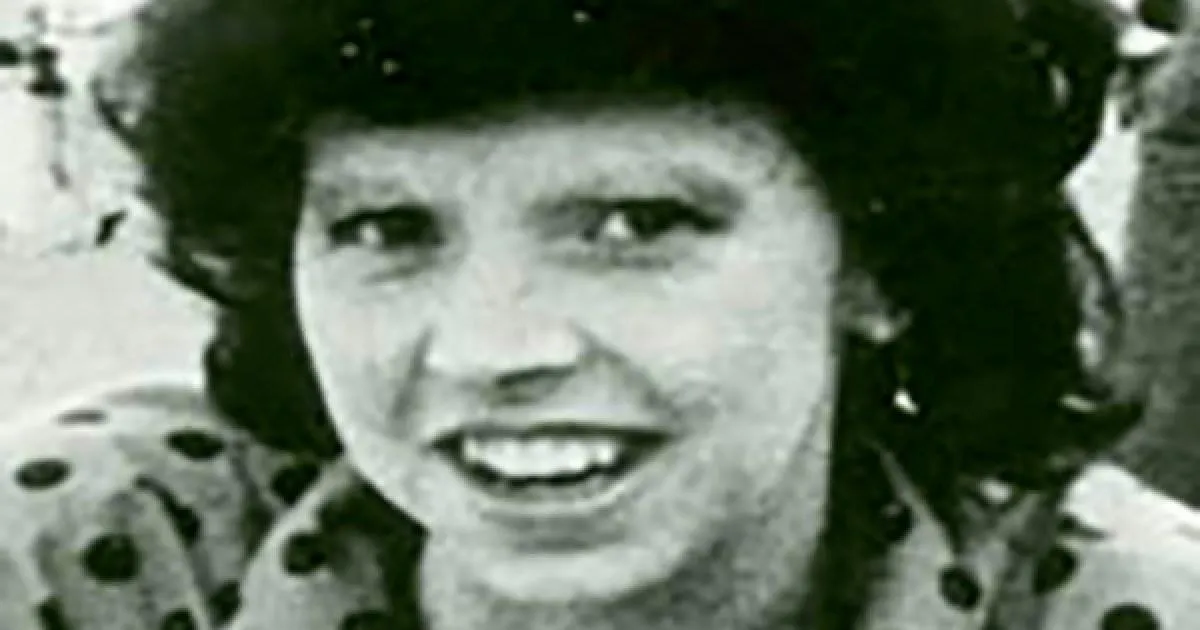
It has been nearly four decades since a night of music and joy turned into an enduring nightmare for the family of Antoinette Smith. In July 1987, the 27-year-old mother of two journeyed to the iconic Slane Castle in County Meath to witness David Bowie perform, a night that should have been defined by the thrill of a live concert and the companionship of a friend. Instead, that concert—and the hours that followed it—marked the final moments anyone would see the young woman alive. The profound tragedy of her disappearance and subsequent murder continues to haunt the Irish public, serving as a chilling reminder of a life cut short with so many questions left lingering in the wake of her death.
On the night of the concert, Antoinette’s movements were well-documented by the authorities: after returning to Dublin by bus, she and her friend sought out the warmth and energy of the La Mirage Discotheque near Parnell Square. Amidst the music and the atmosphere of the club, they crossed paths with two men they were acquainted with, setting a trajectory for the early hours of Sunday morning. They stayed together until shortly after 2:00 a.m., when the group finally spilled out into the Dublin night. It was at this juncture that their paths diverged; the friend departed, leaving Antoinette in the company of the two men for a brief period before they all walked toward the taxi rank on O’Connell Street. Following a brief interaction, the men took a taxi toward Ballymun, leaving Antoinette to continue walking alone near the Gresham Hotel, headed in the direction of the O’Connell Street Bridge—the last place she was ever seen before vanishing into the darkness of the city.
The search for the truth became a long, harrowing ordeal that shattered her family, particularly her two young daughters, Lisa and Rachel, who were only seven and four at the time of their mother’s disappearance. For nine agonizing months, her loved ones lived in the hollow space between hope and despair, waiting for word that would never bring the resolution they longed for. That hope was finally extinguished in the most tragic fashion when her remains were discovered within a drain on the desolate slopes of Glendoo Mountain in County Wicklow. The isolation of the location spoke volumes about the cold, calculated nature of the crime, leaving a void in the lives of her children and husband that could never be filled, and setting the groundwork for an investigation that has spanned nearly forty years without justice.
As the anniversary of her death passes once again, Gardaí stationed in Bray are making yet another fervent appeal to the public, driven by the belief that time does not necessarily erase the truth, even if it buries it. Often in cold cases of this magnitude, the barriers that once prevented witnesses from speaking out—whether they were rooted in fear, misguided loyalty, or intense social pressure—begin to erode as lives evolve and priorities shift. The authorities understand that the dynamics between people change profoundly over several decades, and information that was once guarded or perhaps deemed insignificant by a bystander might now, with the perspective of age and changed circumstances, hold the missing piece of the puzzle that has eluded investigators for so long.
This renewed call to action is not merely a bureaucratic procedure; it is a plea to the collective conscience of a community. The detectives handling the case have been clear in their promise that any individual stepping forward to offer assistance will be treated with the utmost sensitivity and respect. They recognize that coming forward after 39 years is a significant burden for anyone to carry, and they have assured the public that they are prepared to handle new intelligence with the delicacy it requires. There is no detail too small, and no memory too faint, that wouldn’t be welcomed by investigators who are still fighting to provide closure for a family that has spent more than half of their lives wondering who took their mother away.
Ultimately, this case is about more than just a crime record or a decades-old police file; it is about honoring the memory of a young mother who never made it home to her children. For Lisa and Rachel, the pain of losing a parent under such circumstances never truly fades; it simply becomes a part of the fabric of their lives. By bringing this case back into the light, the authorities are sending a clear message: that Antoinette Smith has not been forgotten, and that justice, while long overdue, remains the ultimate goal. For those who may have known something back in 1987—those who might have seen a conversation, a car, or a behavior that felt “off” at the time—now is the moment to reach out and finally help close this long-open chapter of Irish history.