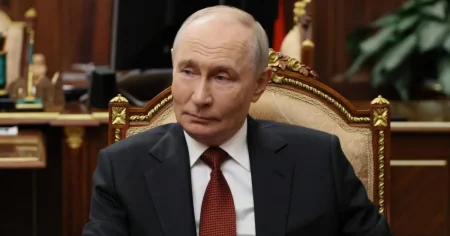



The geopolitical landscape between the United States and Iran has drifted back into a state of volatile uncertainty this week. Following a cascade of recent military exchanges centered on the strategic Strait of Hormuz—a vital maritime artery for global energy—the fragile truce that had offered a brief glimmer of hope has effectively crumbled. Donald Trump, utilizing his Truth Social platform to communicate the latest shifts in policy, has declared the existing ceasefire “over,” signaling a return to a high-stakes standoff. This development follows a particularly heated week in rhetoric, during which the U.S. president had previously dismissed the Tehran regime with incendiary language, reflecting the deep-seated animosity that continues to define this adversarial relationship.
Despite the inflammatory nature of the communication, there is a paradoxical willingness to keep diplomatic channels open. Trump confirmed that the Islamic Republic had reached out to initiate further negotiations, a request the United States has agreed to entertain, albeit under the strict caveat that the previous ceasefire terms are officially void. This maneuver creates a precarious environment where military posturing and behind-closed-door dialogue are occurring simultaneously. The ambiguity is further clouded by the mysterious nature of recent airstrikes, which struck Iranian targets after the U.S. military signaled a cessation of their own offensive actions, leaving the international community to speculate on the involvement of other regional actors or rogue elements.
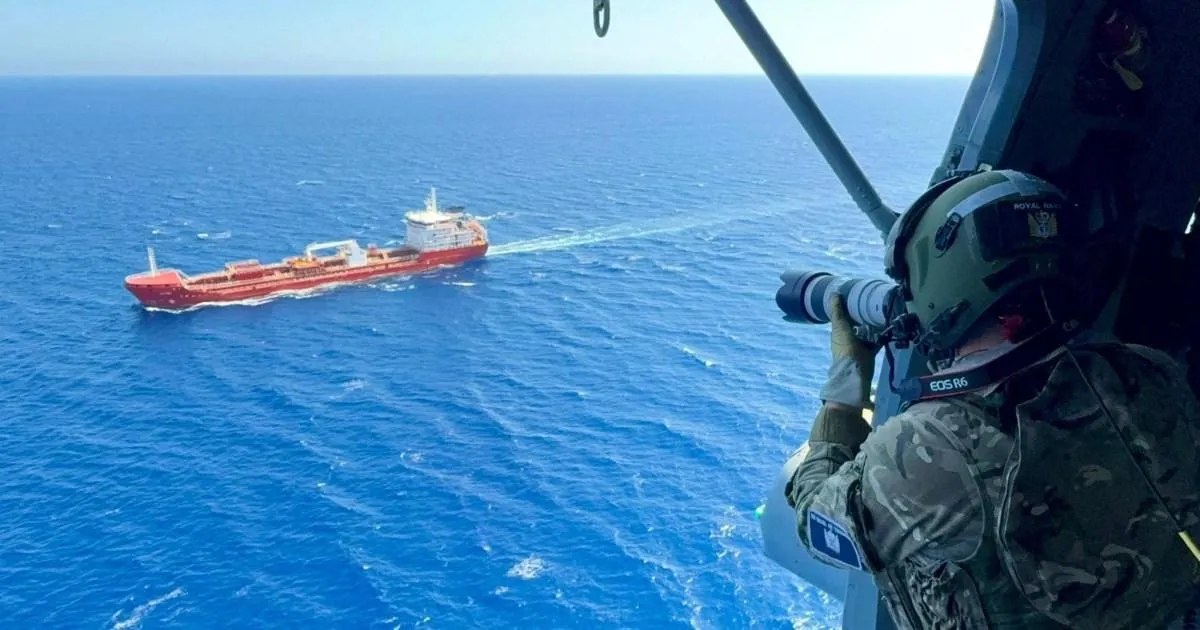
At the heart of these renewed hostilities is the struggle for dominance over the Strait of Hormuz. The conflict, which initially ignited in late February, saw a sharp escalation on Tuesday when Iran targeted three commercial tankers, resulting in fresh chaos for global shipping lanes. The incident served as a potent—and costly—reminder of how easily this trade route can be paralyzed. As maritime traffic scrambles to navigate the area, the ability to secure a permanent, peaceful passage has shifted from a diplomatic priority to an increasingly distant goal, as both nations grapple with the economic and physical fallout of their ongoing naval combat.
The U.S. military has found itself embroiled in a war of narratives, specifically regarding who holds authority over the waterway. Iranian state media has aggressively pushed the claim that all transit through the strait must be authorized by Tehran, a move designed to assert sovereignty and assert regional control. In response, U.S. Central Command has been quick to push back, utilizing social media to clarify that the strait remains an international corridor. By highlighting that American forces have successfully escorted over 800 commercial vessels and hundreds of millions of barrels of crude oil since early May, the U.S. is positioning itself as the guarantor of global trade, actively challenging Iran’s attempt to dictate the rules of the sea.
However, statistics paint a more sobering picture of the “safety” currently on offer. While the U.S. mission is managing to push ships through, the current volume of traffic is merely a shadow of the pre-war era, when nearly 140 ships traversed these waters daily. This economic throttling has had a cascading effect on global markets, driving up the price of essential commodities like food and fuel. While previous rounds of negotiation focused heavily on ending Tehran’s grip on the Strait, those deals were always temporary, offering only a 60-day window of safety while larger, more complex issues—most notably Iran’s controversial nuclear program—remained unresolved. The fact that this 60-day window has failed to produce a lasting peace illustrates just how far apart the two sides remain.
Looking forward, the outlook remains predictably grim. Iran continues to leverage the threat of future charges and transit permissions as a strategic asset, hoping to gain bargaining power in future talks. For his part, President Trump has continued to frame the conflict through a highly personal lens, characterizing himself as a primary target of the regime while simultaneously engaging in aggressive diplomatic maneuvering across other international fronts. As the world watches these two nations veer between the threat of total naval blockade and the quiet reach for negotiation, the fate of the Strait of Hormuz—and the global economy that depends upon it—remains held hostage by a stalemate that neither side seems prepared to break.