
The tragic death of a three-year-old British boy in Paphos, Cyprus, has left a family and the wider community in a state of profound shock. The toddler, who was on a holiday with his parents and grandparents, lost his life after falling thirty-three feet from a fourth-floor hotel window. The incident occurred at approximately 6:40 p.m. on a Wednesday, during what should have been the simple, joyful ritual of a family preparing for dinner. Having arrived at the hotel just one day earlier, the family was settling into their vacation when the unthinkable occurred, turning a peaceful getaway into an irreversible nightmare of grief and loss.
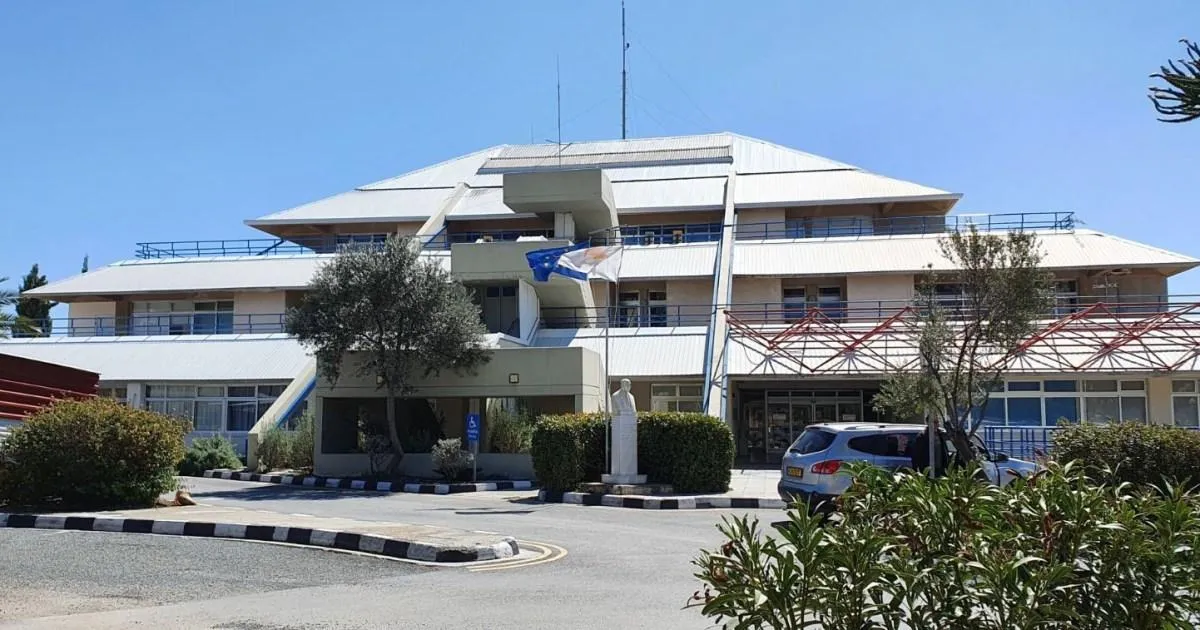
According to reports, the tragedy unfolded in a split second when the toddler slipped from his father’s arms. Beside them sat a large double window, measuring nine feet wide and four feet high. Tragically, one side of the window had been left open, a detail the thirty-seven-year-old father apparently did not notice during the moments leading up to the fall. Despite the immediate arrival of emergency services, the young boy was found unresponsive upon their arrival at the veranda below. He was rushed to the Paphos General Hospital, but despite the desperate efforts of medical staff, he succumbed to his injuries, leaving behind a family shattered by the suddenness of his passing.
The aftermath of such a loss is often cold and bureaucratic, and for this family, the pain was compounded by the swift intervention of local authorities. By 10 p.m. that same evening, the boy’s father was arrested on suspicion of negligence. The following morning, he was brought before a court to address the charges, which include causing death by a reckless, negligent, or dangerous act, as well as a failure in his duty of care as a parent. The legal proceedings were briefly paused when the father, overcome with grief, became visibly distressed. In a poignant reflection of their isolation, a family friend noted that the father initially appeared without legal counsel, as the family had been left reeling and unable to secure representation in the immediate wake of the tragedy.
A court translator eventually explained to the father that he would be remanded in custody for eight days while the police investigation into the boy’s death continues. This decision has cast a harsh light on the complexities of navigating foreign legal systems while grieving a child. While the hotel surroundings remain cordoned off, investigators from the Paphos Criminal Investigation Department are actively working to piece together the events of that evening. They are currently seeking further statements from witnesses and a formal supplementary statement from the father, hoping to gain a clearer picture of how a family trip intended to last until July 25 was cut short by such a heart-wrenching accident.
Beyond the legal implications and the details of the investigation, the story speaks to the fragility of life and the way sudden accidents can destroy the fabric of a family. This was a young boy, barely at the start of his life, surrounded by his mother, father, and grandparents, all of whom were supposedly safe within the walls of their chosen holiday accommodation. The fact that an open window could lead to such a catastrophic sequence of events serves as a painful reminder of how easily the mundane can transform into a tragedy. The focus now shifts to the police report, but for those closest to the boy, the procedural details provide little comfort for the void left behind.
Ultimately, this incident highlights the immense pressure placed on local authorities to handle such delicate cases with sensitivity, especially when visitors are involved. As the investigation progresses, the focus remains on the specific circumstances of the fall—a process that feels agonizingly clinical for a father mourning the loss of his son. The family, now trapped in a foreign country under the weight of both profound mourning and legal scrutiny, must grapple with a reality that no holiday brochure could have warned against. It is a sombre reminder for travelers to always be mindful of their surroundings, but more importantly, it is a testament to the fact that sometimes, the world’s most tragic events occur in the quietest, most unexpected moments.