

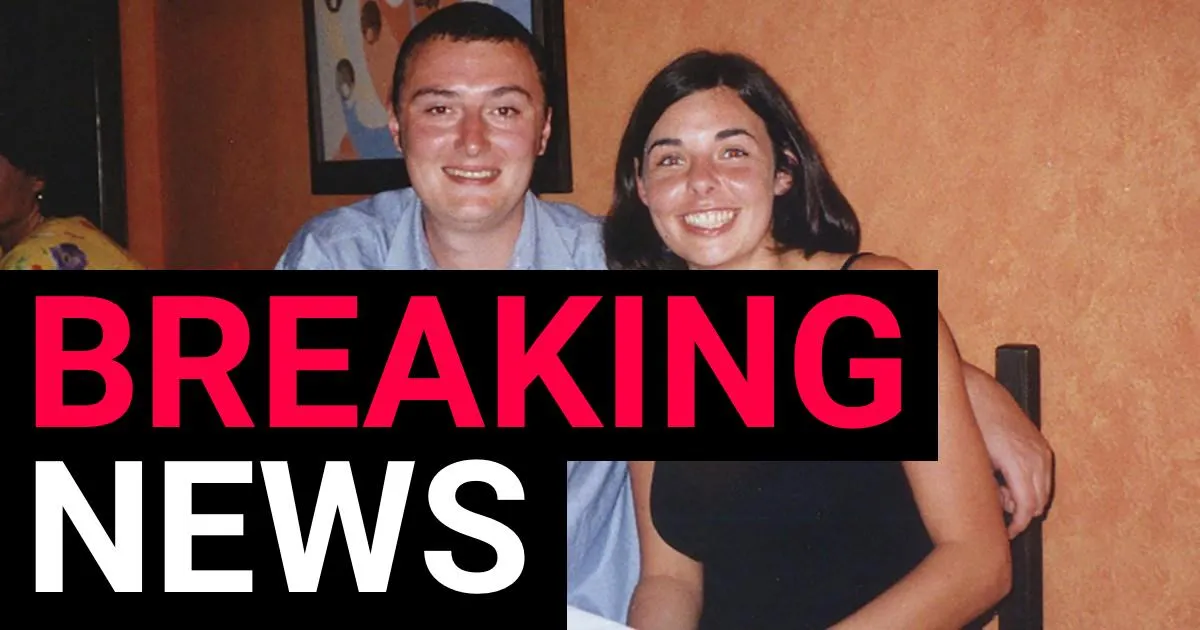
The disappearance and murder of British backpacker Peter Falconio remains one of the most haunting chapters in Australian criminal history, a tragedy that has lingered in the public consciousness for a quarter of a century. In July 2001, Peter and his girlfriend, Joanne Lees, were embarking on the quintessential Australian adventure—a road trip across the vast, lonely expanse of the Northern Territory in a camper van. Their journey took a horrific turn on a remote stretch of the Stuart Highway when they were ambushed by Bradley John Murdoch at gunpoint. While Joanne managed to survive a harrowing ordeal, Peter vanished into the outback, sparking a massive manhunt that would eventually lead to the 2005 conviction of Murdoch. Despite a life sentence, the killer took his secrets to the grave, dying from cancer last year without ever revealing where he had hidden Peter’s body.
The emotional toll of this case has been immeasurable, particularly for the Falconio family and Joanne Lees, who have been forced to navigate the long, agonizing aftermath of such a senseless act of violence. For 25 years, they have lived in a state of suspended grief, unable to perform the basic human ritual of laying a loved one to rest. Commissioner Martin Dole of the Northern Territory Police recently voiced the collective frustration of those involved in the investigation, highlighting the “cowardly silence” of Murdoch, which prevented the family from ever finding a shred of closure. The police view the case not as a settled matter of jurisprudence, but as an ongoing investigation that must continue until the void of uncertainty is finally filled.
In a renewed effort to bring peace to the family, the Northern Territory Police have taken the poignant step of releasing previously unseen images from the investigation to mark the 25th anniversary of the crime. These visuals—which include chilling footage of the perpetrator and glimpses of the investigation as it unfolded—serve as a stark reminder of the gravity of the events that transpired on that desolate roadside. By circulating these images, authorities are casting a wide net, hoping that the passage of time may have softened the resolve of anyone who previously feared coming forward. They operate on the conviction that someone somewhere, perhaps a distant acquaintance or a former associate of Murdoch, knows a detail that was once buried but could now be the key to unlocking the mystery.
The police approach to this milestone is less about procedural formality and more about a dedicated pursuit of justice for the grieving. Commissioner Dole’s appeal is deeply personal; he emphasizes that no detail is too small and that even an insignificant observation from two and a half decades ago could be the catalyst that finally brings Peter home. The investigators are relying on the possibility that information once withheld—or perhaps information that Murdoch himself may have inadvertently let slip—could still provide the essential coordinates police need. The commitment from the local authorities is clear: they refuse to let the passage of time allow this case to fade into the obscurity of cold-case files, reaffirming that the investigation will not reach its “fullest conclusion” until Peter is found.
To incentivize this search, officials have announced a substantial reward of 500,000 Australian dollars—a clear signal of how high the stakes remain and how much the state values the resolution of this tragedy. This financial offer is not just a standard police incentive; it is a desperate attempt to bridge the gap between memory and reality, appealing to the conscience of anyone who might hold the missing piece of the puzzle. It underscores the belief that, somewhere in the vast Australian landscape or within the tangled web of those connected to the case, the truth still exists. For the investigators, this is an appeal to the moral obligation of citizens to help a family move forward, turning the page on a chapter of history that has been left painfully open for far too many years.
Ultimately, this anniversary serves as a reminder that behind the headlines and the cold legal proceedings lie real human lives irrevocably altered by darkness. While justice was technically served with the conviction of the murderer two decades ago, the absence of a grave remains a persistent, open wound. Humanity often relies on the recognition of a final resting place to begin the process of healing; by denying that to the Falconio family, the legacy of the crime persists. As the police push forward with these new efforts, they are doing more than just chasing leads—they are attempting to return dignity to a young man whose spirit was cut short, proving that even after a quarter of a century, the hope for resolution remains as vital as the day the hunt began.