



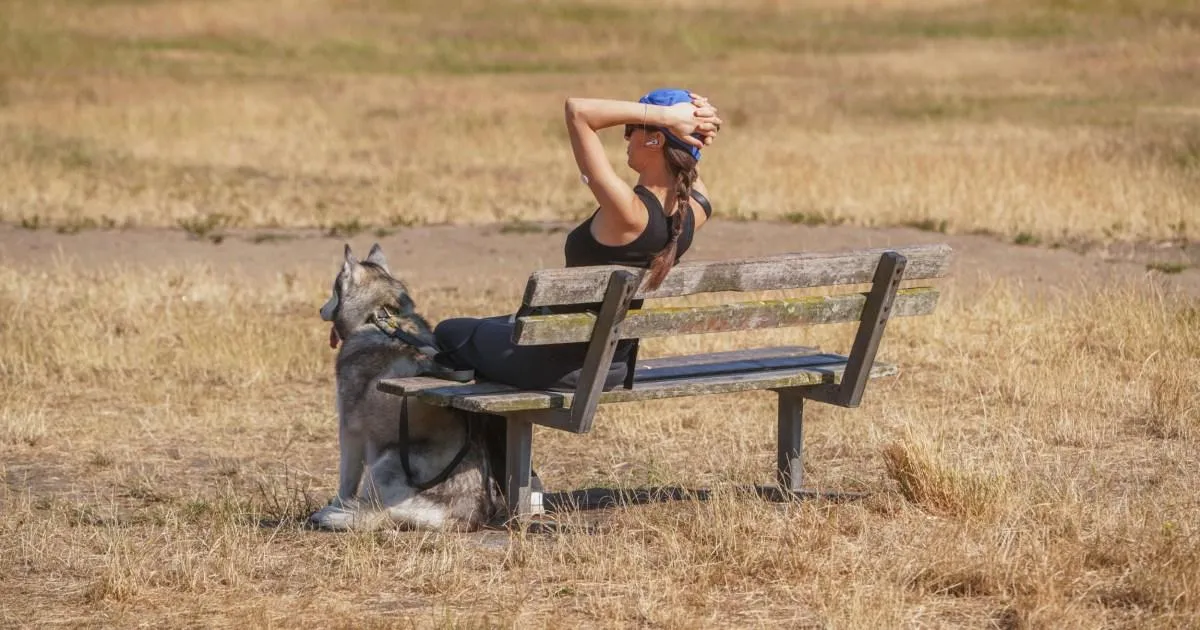
For many of us across the UK, the recent drop in temperatures has felt like a collective exhale. After surviving three grueling heatwaves back-to-back—an exhausting stretch of record-breaking heat that began as early as May—the sight of a slightly overcast sky and a more manageable mercury reading is a welcome sight. Southern England, which often bears the brunt of these sweltering spikes, is currently seeing temperatures settle around a much more comfortable 28°C. For those whose lawns have turned to parched, brittle patches of brown and who have spent weeks stifling in rooms that feel more like greenhouses, this cool spell offers a necessary moment to catch our breath and recover before the summer season pushes forward.
However, we should probably hold off on putting away the fans just yet. The Met Office’s long-range forecasts suggest that this pleasant interval is likely only a temporary reprieve. As we move between late July and early August, the weather is expected to trend toward “near or above normal” once again, hinting that the summer sun is far from finished with us. There is a palpable sense of uncertainty as we look toward August, with meteorologists noting that while a widespread, defining heatwave isn’t on the immediate horizon, the atmosphere remains volatile enough for things to shift quickly. The high-pressure systems that define our summers remain a dominant force, and history this year suggests we should remain vigilant rather than complacent.
It is often confusing to hear the term “heatwave” thrown around, especially when a few hot days in a row can leave us feeling completely drained. Forecasters have a specific, disciplined way of measuring these events: it isn’t just about one uncomfortable afternoon. Scientifically, a heatwave is defined as a sustained period of hot weather that far exceeds what is typical for a specific region at that time of year. For the Met Office to officially classify a spell as a heatwave, the mercury must hit a specific threshold for three consecutive days. Because the UK’s climate varies so significantly from the balmy streets of London to the cooler winds of Scotland, these thresholds are localized—ranging from 25°C in the north to 28°C in parts of the south.
These thresholds aren’t arbitrary; they are deeply rooted in our climatological history, based on the averages recorded between 1991 and 2020. Yet, the frequency of these heat-triggered events is becoming increasingly difficult to ignore. Experts are largely in agreement that we are seeing the direct, unsettling effects of climate change. What was once considered an exceptional, stand-out summer event is now becoming a recurring norm. The human cost has been sobering, with thousands of excess deaths reported across England, Wales, and Europe during the spring and early summer spikes. These numbers are a stark reminder that while we often talk about the weather in terms of garden parties and beach trips, the reality of these temperatures is a serious public health concern.
There is a grim reality underlying these fluctuations, one that meteorologists like Jim NR Dale describe as “extraordinarily self-inflicted.” We are living in a time where the extremes of our climate are becoming the backdrop of our everyday lives. It is no longer just about deciding what to wear; it is about navigating a world where water is becoming a precious, restricted commodity under recurring hosepipe bans and where infrastructure—from our transport networks to our own homes—struggles to cope with heat for which it was never designed. Every time the brown grass in the park begins to green again during these cooler weeks, we are reminded of how fragile our environment has become in the face of climbing global temperatures.
Ultimately, as we head into the final stretch of summer, the lesson of 2024 seems to be one of cautious adaptation. Whether or not August brings another official “heatwave,” the trend of these “above normal” days is likely here to stay. We are moving into a future where “normal” summer weather is being rewritten in real-time. For now, we will enjoy the breeze and the slightly lower temps, but we do so with a newfound awareness that the climate is shifting beneath our feet. Staying informed, keeping an eye on the experts, and looking out for one another—especially the most vulnerable among us—is the best way to handle whatever the rest of the summer decides to throw our way.