
Paragraph 1
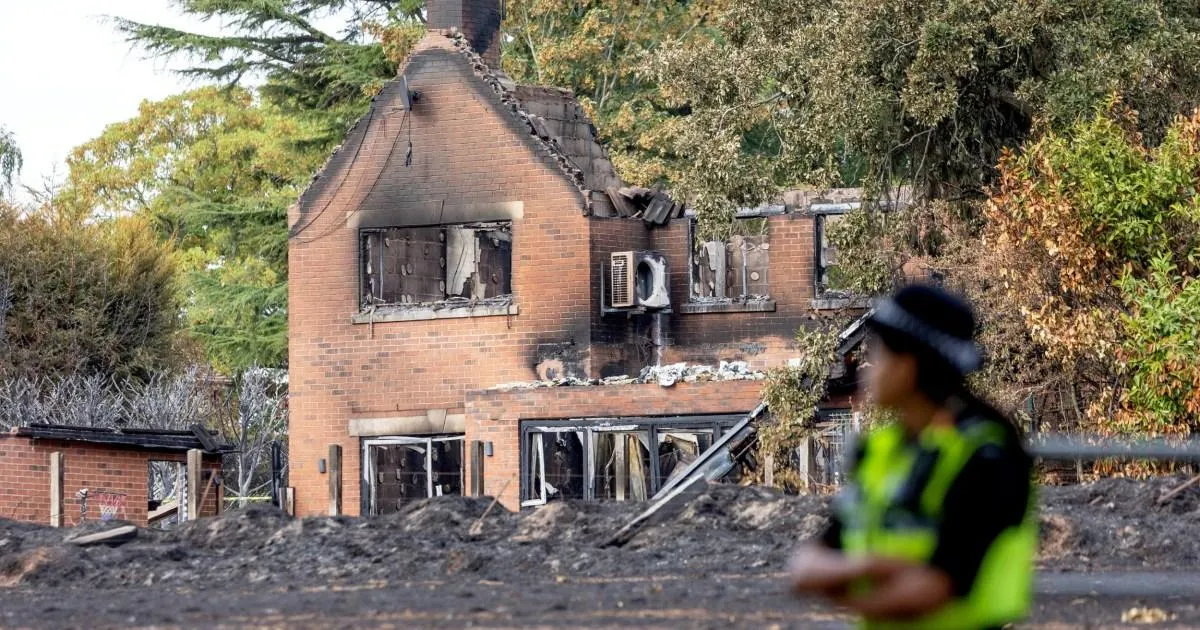
The acrid, lingering scent of charred timber and scorched earth is the new, unwelcome perfume hanging over this quiet West Midlands market town. Just days after a terrifying wildfire swept through—driven by record-breaking heat and tinder-dry conditions—the landscape around Stourbridge looks like the aftermath of a war zone. For the families whose homes now stand as blackened, skeletal ruins, the emotional toll has been immense. They have been living in a state of suspended animation, trapped in temporary beds or crowded into relatives’ spare rooms, waiting desperately for news. That news is finally beginning to arrive. West Midlands Fire Service has officially downgraded the event from a “major incident” to a contained, controlled situation, allowing a deeply emotional and carefully managed “return-to-home” plan to be rolled out. But the return is not a simple unlocking of doors. Residents are now being summoned to structured meetings with emergency services officers. These are tense, significant encounters. During these consultations, trained officials will carefully outline the structural integrity of each property, explaining whether it is safe for residents to step back inside to retrieve belongings, or whether the devastation is so profound that entering would pose a catastrophic risk of collapse. This is the emotional pivot point for many, where the penultimate chapter of the disaster gives way to the grim reality of loss, or the gorgeous relief of finding a few unscathed keepsakes. It is a moment that will determine whether they are opening the next chapter of their lives with hope or with the daunting task of starting entirely from scratch.
Paragraph 2
The scale of the event—which spanned over 500 acres and destroyed 19 homes—was so severe that it prompted an unprecedented national response in the height of the summer heatwave. The blaze ignited on Thursday, when the mercury peaked at a scorching 38.1°C, marking the hottest day of the year and turning vegetation into explosive fuel. Fire crews, many of whom had been drafted in from distant counties, fought relentlessly for days, their efforts described as “around the clock” in a desperate bid to prevent the flames from reaching more housing estates and commercial properties. Their heroic, exhausting labor has now brought the inferno under control, but the psychological shock waves are still rippling through the community. For those who watched from behind police cordons, the terrifying orange glow against the night sky is a memory that will not fade quickly. Just as they were beginning to process the local horror, a nationwide shudder ran through the country on Friday evening. Millions of mobile phones simultaneously erupted with a piercing, unfamiliar emergency alert tone. The message, delivered directly from the government and fire authorities, warned that there was now a “very high risk of wildfires nationally.” Across England and Wales, homes fell silent as people read the urgent, alarming text. The immediate surge of calls to emergency numbers was so intense that fire services in Derbyshire and South Wales were completely inundated, receiving nearly 736 calls compared to their usual 300, forcing them to issue frantic public pleas to free up the lines for genuine emergencies. This highlights the delicate balance between necessary public warning and overwhelming public anxiety, as citizens were left wondering if their own backyards were the next potential inferno.
Paragraph 3
While the vital work continued in the West Midlands, the wildfire crisis was simultaneously stretching the country’s emergency response to its absolute breaking point. In South Wales, crews were battling a fierce blaze in the rugged, inhospitable terrain surrounding Rhandirmwyn, near Llandovery. This was a relentless, “challenging and dynamic” struggle against winds and spontaneous fire behavior. To augment the exhausted civilian firefighters, the Ministry of Defence deployed 200 military personnel, drawn from the distinguished Queen’s Own Gurkha Logistic Regiment and the 22 Engineer Regiment. These soldiers were not just providing moral support; they were executing crucial logistical maneuvers—transporting thousands of gallons of water, establishing forward supply bases, and clearing pathways so that front-line firefighters could conserve their energy for the brutal work of tackling the flames. In the sky above, helicopters performed dizzying aerial water drops, diving into an endless loop of filling bags and spraying them across scorched ridgelines where foot access was perilously slow. The physical toll was immense; firefighters worked in sweltering heat, their heavy, fire-retardant suits trapping sweat and heat, risking exhaustion and heatstroke to protect homes and farmland. This combination of military precision and civilian grit underscored just how severely the UK’s emergency services were being stretched by a new reality of extreme summer weather. Every passing hour brought new reports of spot fires breaking out, and the logistical coordination became a complex ballet of aerial support, ground crews, and engineering battalions working in seamless synchronization to outpace the flames’ fury.
Paragraph 4
In the wake of such overwhelming devastation, the strength of the human spirit has shone brightly. The Prince of Wales took to social media this weekend to offer a solemn tribute, thanking “firefighters, emergency responders and volunteers battling wildfires across the UK,” and extending his heartfelt thoughts to everyone affected, particularly those who have lost their homes. His words reflect the national sentiment of solidarity. Locally, Deputy Chief Fire Officer Adam Openshaw, visibly moved by the collaboration, stated he was “incredibly proud” of the response. He acknowledged the “challenging and worrying time” for residents, urging the community to remain resilient. This resilience is evident in the spontaneous acts of kindness that have emerged from the ruins. Local businesses have thrown open their doors, offering free meals and cold drinks to displaced families and weary fire crews. Neighbors who had never spoken before are now sharing generators and phone chargers. Volunteer groups are organizing donation drives for clothes and toiletries. These gestures are not just practical; they are emotional anchors. For residents forced to evacuate with only the clothes on their backs, losing something as simple as a wedding photograph or a child’s first drawing feels like losing a piece of their soul. The community events, the shared meals at makeshift relief centers, and the empathetic conversations are helping to bridge the gap between the trauma of the fire and the daunting future of recovery, proving that even in the darkest hour, human connection remains unbroken. It is in these small, unscripted moments—a hug from a stranger, a heartfelt thank-you to a exhausted firefighter—that the community finds the strength to keep moving forward.
Paragraph 5
Underneath the smoke and emergency sirens lies a far wider conversation about the fate of the British landscape. Weather experts and political leaders are being forced to confront an uncomfortable truth: the climate is changing, and the idyllic English summer now carries a lethal threat. Statistics released amid the chaos show that a staggering 70% of England and all of Wales are now officially in a state of drought. This water scarcity has created a “tinderbox” scenario, where even a stray spark or discarded bottle can ignite a city-threatening conflagration. In response to the immediate danger, a temporary ban on the sale of disposable barbecues was swiftly passed, and stern public warnings were issued against lighting any fires, campfires, or fireworks. Phil Garrigan, the chairman of the National Fire Chiefs Council, warned that the fire service is “under significant pressure,” listing major incidents in Hampshire, Stoke-on-Trent, Sandwell, and Pershore alongside Stourbridge. Reflecting on the cause, a prominent political figure who visited the scorched site admitted he had “never seen anything like it” in his lifetime, drawing a direct philosophical line between the soot-covered streets and the urgent need for a transition to cleaner energy. His plea—”We need to face up to it. We need more clean energy”—resonated deeply with local residents who watched the flames consume their neighborhoods. This tragedy has transformed from a local emergency into a national wake-up call, forcing communities across the UK to question their preparedness for a future where extreme weather events become the norm rather than the exception, and where the lush green countryside can turn to a combustible landscape in a matter of weeks.
Paragraph 6
As the immediate crisis recedes, the slow, painstaking work of rebuilding begins—both physically and emotionally. The upcoming schedule of meetings between residents and emergency service officers marks the first official step towards reclaiming normality. During these sessions, structural engineers will provide detailed assessments, informing homeowners whether repairs are feasible, if it is safe to enter, and what the next steps involve. The forecast offers a glimmer of hope: the Met Office predicts a return to cloudier, rainier conditions in the coming days, which will finally give the parched earth a much-needed soaking. However, the drought conditions linger, and the rain may not be enough to break the cycle of vulnerability following such a severe dry spell. For the residents of Stourbridge, the immediate future is daunting. There are insurance claims to file, contractors to hire, and decades of personal history to sift through amidst the debris. Yet, there is also a stubborn defiance in the air. The community is already talking about replanting gardens, repainting fences, and hosting street parties. The fire has taken their homes, but it has not dampened their spirit. As the weeks turn into months, they will rebuild, brick by brick, supported by the knowledge that they survived the inferno together—and that the bonds forged in the smoke will last a lifetime. The shadow of the flames may linger, but so will the determination of a community that refused to be broken. For now, they stand at the precipice of a new beginning, carrying with them the lessons learned from this fiery trial and the hope that the skies will bring relief, allowing nature to heal and their lives to slowly return to a semblance of the peace they once knew.