


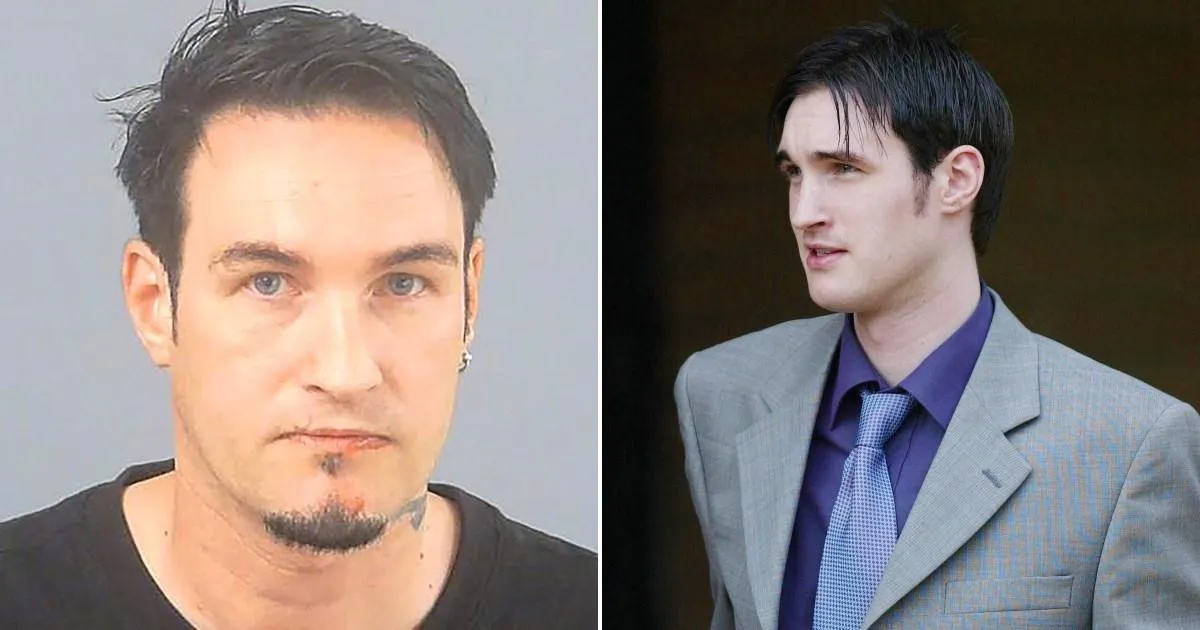
The case of Benjamin Lewis, a 48-year-old man from Hampshire, reads less like a modern criminal report and more like a dark, unsettling piece of gothic fiction. Over the course of several months in 2025, Lewis terrorized local communities by engaging in a disturbing ritualistic spree, killing deer and stealing lambs to stage macabre displays outside of local churches. These weren’t mere acts of vandalism; they were calculated, eerie tableaux—a deer’s head positioned with an inverted cross or a slaughtered lamb placed upon a light fixture beneath a statue of the Virgin Mary. To those who stumbled upon them, these scenes were deeply traumatic, turning quiet places of worship and sanctuary into sites of genuine fear and repulsion.
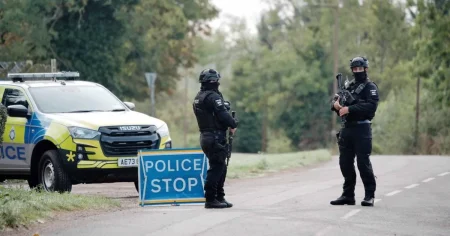
The investigation into Lewis’s activities required an unconventional approach from the Hampshire police. Lead investigator PC Jessica Surman described the case as the most bizarre of her career, noting that the force had to resort to staking out churches specifically on full moon nights, anticipating that the man’s delusions were tethered to lunar cycles. When apprehended, the reality of Lewis’s mental state became clear: he identified as a “reincarnated vampire” and believed, with harrowing sincerity, that consuming the blood of animals was a prerequisite for immortality. He was convinced that by drinking blood, he could bypass death and avoid hell, a delusion he lived out with chilling dedication, even going so far as to refer to himself as “Count Dracula” during legal proceedings.
The impact on the local New Forest community was profound and lingering. The people who discovered these gruesome displays were left deeply distressed, and for some, the trauma was enough to make them question their own safety in their homes. One farmer, having lost her lambs to Lewis’s depraved activities, even contemplated leaving the land her family had occupied for generations. The psychological toll was not limited to laypeople; clergy members, such as the reverend at St. Theresa’s Church, found themselves baffled and unsettled by these “insidious” acts. Even the mental health facility where Lewis was receiving treatment, Anchor House, became a target, leaving staff members understandably terrified that their efforts to help him might provoke further hostility.
As the legal proceedings unfolded at Southampton Crown Court, a more complex picture of Lewis emerged. Forensic psychiatrist Dr. Gauruv Malhan diagnosed him with a confluence of conditions, including autism, mixed personality disorder, and OCD, all compounded by a pattern of “fantastical thinking.” During his psychiatric evaluations, Lewis’s volatility was evident, as he attempted to assault his doctor, requiring immediate restraint. Dr. Malhan warned that Lewis’s trajectory—moving from the abuse of animals to the ritualistic defilement of holy spaces—represented a significant danger. There was a palpable fear, backed by his history of self-harm, that without strict intervention, his actions could eventually escalate from harming wildlife to inflicting violence upon human beings.
The court’s response was a reflection of the severity of these risks. Judge William Mousley KC emphasized that while the acts themselves were heinous enough to warrant lengthy imprisonment, it was the underlying mental health crisis that necessitated a different path. Consequently, Lewis was handed an indefinite hospital order under the Mental Health Act. This sentence ensures that he will remain in a secure medical environment for treatment, with no release possible until a mental health tribunal or the Secretary of State deems that the risk he poses to the public has been sufficiently mitigated. It is a necessary measure, not just as a punishment for his crimes, but as a protective barrier for the community he once held in a state of constant anxiety.
In his final moments before the court, Lewis offered a strange, somewhat surreal apology to his victims, claiming he did not want them to worry about him. While he expressed no grudges toward the police who had tracked his movements across the countryside, his words served as a sobering reminder of the distance between his internal reality and the reality of those he terrorized. The case of Benjamin Lewis concludes not with a simple closure, but with the haunting realization of how fragile a community’s sense of peace can be when confronted with a mind caught in the grip of such dark, persistent delusions. It remains a stark example of the intersection between severe mental illness and public safety, leaving behind a community still processing the shadows left in his wake.