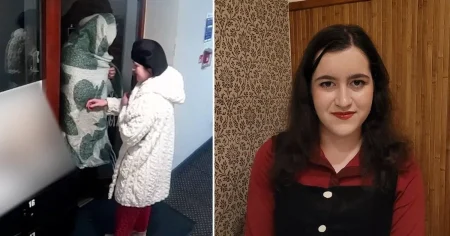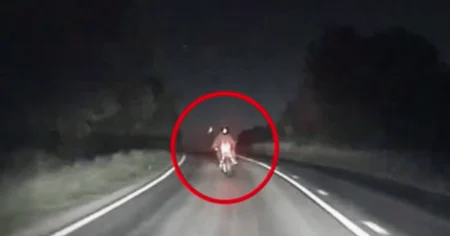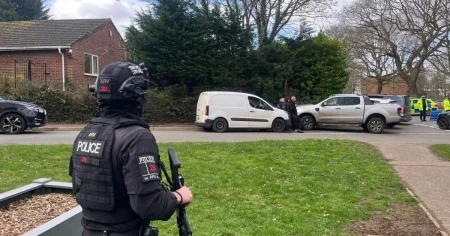


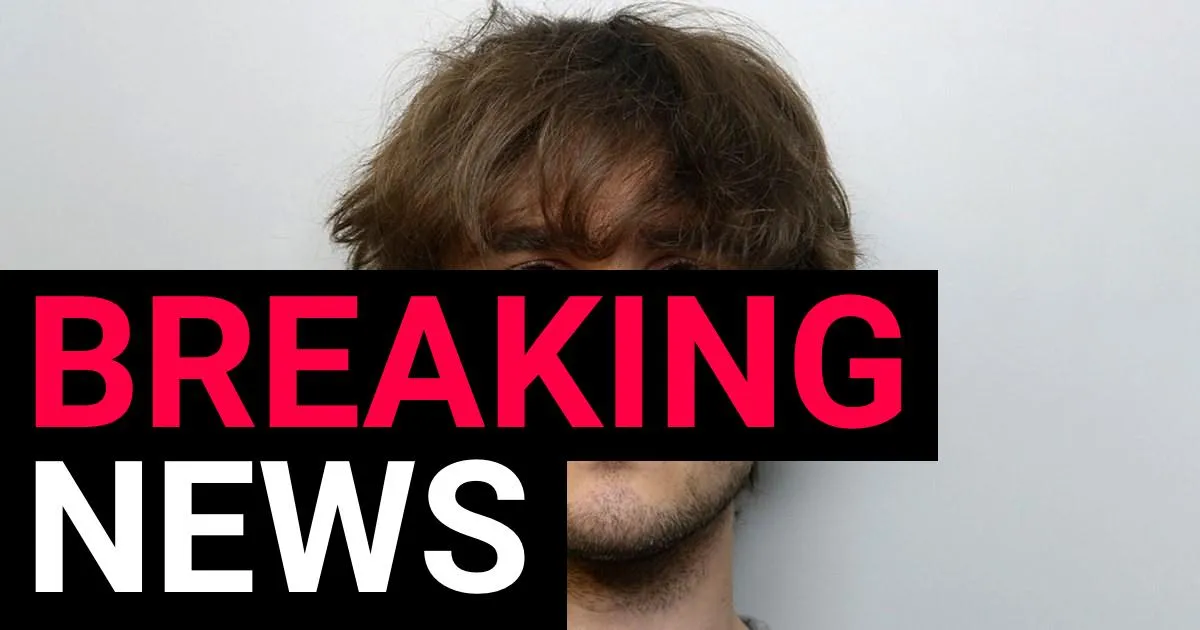
A quiet street in Filton, South Gloucestershire, became the scene of an unthinkable tragedy when a university student ambushed the person he shared a home with and killed him in a dispute over rent. Jack Coughlan, twenty-three years old and dressed entirely in black, wore a mask as he attacked Jamie Collins, a twenty-one-year-old student who should have felt safe in his own home. The attack happened in the garden of their shared house, a place that should have been ordinary and unremarkable, filled with the everyday tensions of student life rather than the horror of violent death. Coughlan stabbed Jamie thirty times in what investigators later described as a carefully planned and cold-blooded execution. After the attack, he calmly cycled away, disposing of his bloodstained clothes while his former friend lay dying in an alleyway at the bottom of the garden. It was a crime so brutal and so calculated that it has left a permanent scar on everyone who knew Jamie, and it has forced a painful question into the open: how could an argument about money escalate into something so murderous?
The full horror of the attack lies not only in the number of stab wounds but in the deliberate, methodical way it was carried out. Coughlan did not strike out in a sudden fit of rage. Instead, he prepared, dressing in dark clothing and covering his face with a mask, turning himself into a faceless figure of terror. He waited for the moment when Jamie was in the garden, vulnerable and unaware, and then he attacked with ferocious intensity. Thirty stab wounds speak of a level of violence that is almost impossible to understand, a barrage of cruelty that left Jamie with no chance of escape. The garden, which should have been a private outdoor space where he could relax or walk to the alleyway, became the place where his life was brutally taken. The two young men had known each other as housemates, people who shared a kitchen, a bathroom, the daily routines of student life. There may have been friction over rent, the sort of awkward conversation that many housemates have, but nothing that could ever justify such an outcome. As Jamie was repeatedly stabbed, Coughlan’s only thought seems to have been his own survival. He cycled off into the night, leaving Jamie alone in the dark, bleeding and dying, while he went about the practical business of covering his tracks.
What makes this case even more disturbing is what Coughlan did after the murder. While Jamie lay dying at the bottom of the garden, Coughlan did not panic, did not summon help, and did not show a moment of remorse. Instead, he went inside, ate pizza, and played video games online, as if he had all the time in the world. The cognitive dissonance of that image is almost unbearable: a young man sitting comfortably in a house while the friend he had just stabbed to death was only metres away, slipping away from life. Hours passed. Jamie’s body remained undiscovered, hidden in the garden, while Coughlan carried on with ordinary activities, perhaps hoping that the shock of what had happened would somehow not catch up with him. It was only eight hours after the murder that he finally called the police, and even then, he did not tell the truth. He pretended that he had just found Jamie at the bottom of the garden, claiming he had no idea what had happened to him. It was a cold, calculated performance, the latest in a series of lies that he would maintain for months. He denied involvement, tried to put distance between himself and the crime, and made Jamie’s family and friends suffer through the slow agony of not knowing, or of knowing but not being able to understand.
The justice system eventually caught up with Coughlan. At Bristol Crown Court, he changed his plea to guilty, a decision that came only after months of denial and a growing mountain of evidence against him. He was sentenced to life in prison, with a minimum term of twenty-eight years, meaning that he will spend the best part of his adult life behind bars before he can even be considered for release. Detective Chief Inspector Lucy Edgeworth, who led the investigation, spoke after the sentencing with a mixture of professional resolve and human compassion. She said that Coughlan had repeatedly lied in order to protect himself and had finally admitted his guilt after months of denial. She described the murder as ferocious, a word that seems all too appropriate for an attack that left a young man with thirty stab wounds. But she also turned her attention to the people left behind. Jamie’s family and friends, she said, had experienced pain that does not magically disappear just because the court proceedings have concluded. She praised them as a wonderful family, showing incredible courage and dignity across the past six months, not only during the police investigation but also in court every day, where they forced themselves to sit through distressing evidence about Jamie’s final days. Her words were a reminder that a sentence, however lengthy, can never truly repair the damage that has been done.
Jamie Collins was more than a victim of a brutal crime. He was a bright young student, someone with a future ahead of him, a person who was loved by everyone lucky enough to know him. The family who sat through every hearing, who listened to the details of his last moments, who had to look at the face of the person who killed him, showed a strength that many of us cannot imagine. They carried their grief with dignity, not because they wanted to be brave, but because they were determined to honour Jamie’s memory. The trial heard a lot of distressing evidence about his final hours, but the detective’s hope was that people would remember Jamie for the young man he was, not for the manner of his death. He was a student, which means he was at the very beginning of his adult life, still discovering who he was, making plans, building friendships, and looking forward to the ordinary milestones that most of us take for granted: graduation, a first job, love, adventure, the slow process of becoming himself. All of that was taken away in a garden in Filton, over a row about rent. It is a loss that extends far beyond his immediate family. His friends lost someone they expected to grow old with. His community lost a young person who might have gone on to do wonderful things. And the world lost a life that was still full of possibility.
In the end, this story is not just about a sentence or a legal outcome. It is about the fragility of life and the devastating consequences of uncontrolled anger. A dispute over rent, a common source of tension between housemates, should have been settled with difficult conversations, compromise, or at worst a decision to move out. Instead, it became the trigger for a cold-blooded murder that destroyed two families: Jamie’s family, who will carry their loss forever, and even Coughlan’s family, who must now live with the knowledge of what he did. The twenty-eight-year minimum sentence offers accountability, and it sends a clear message that violence will be met with severe punishment, but it cannot bring Jamie back. It cannot give his parents another moment with their son, or give his friends the chance to create more memories with him. What it can do is ensure that Coughlan has time to reflect on the life he took, and it can remind all of us of the value of de-escalating conflict before it turns deadly. Jamie Collins should be remembered as a bright young man, not as a headline. His family’s courage and dignity should be remembered too, because in the face of unimaginable pain, they chose to honour him with grace. The legal case may have concluded, but the grief will continue, and the memory of Jamie Collins will not fade.