

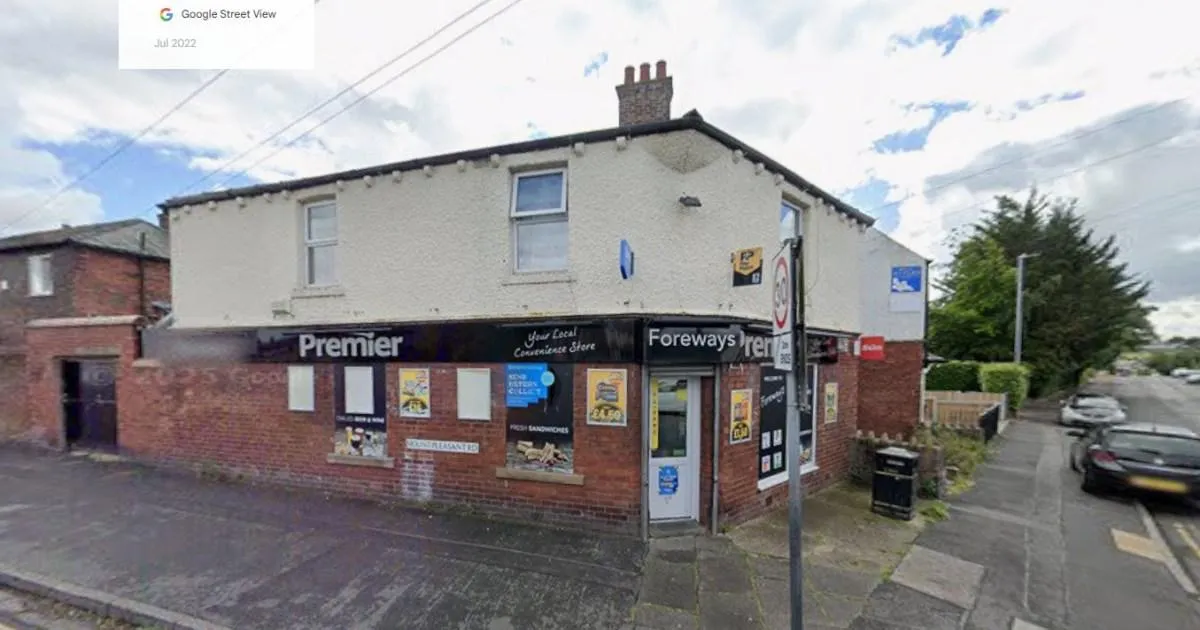
The Heartbreaking Decline of a Carlisle Icon: A Community Says Goodbye to Foreways
The news hit the close-knit community of Carlisle with a quiet, sinking sadness that tends to accompany the loss of something familiar and beloved. Foreways, a group of five mini-supermarkets that had woven itself into the very fabric of the city’s neighborhoods for nearly four decades, announced it was closing its doors for good. The announcement, delivered with a solemn finality, sent ripples of grief and nostalgia through residents who had grown up with the unmistakable local chain as a constant presence in their lives. Locals described themselves as “gutted,” a deeply British understatement that barely captures the sense of profound loss that has swept through the streets surrounding these little stores. These were not just shops; they were veritable community cornerstones, the kind of places where everybody knew your name, where staff remembered your regular order, and where the simple act of buying a pint of milk could feel like a social occasion amid the frantic, impersonal rush of modern supermarkets.
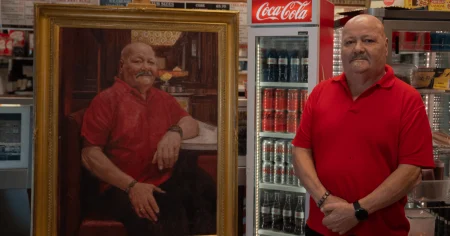
The five locations—scattered across Wigton Road, Bedford Road, Blackwell Road, Newlaithes Avenue, and Warwick Road—represented more than just convenient stops on a map, but rather markers of daily life and routine for countless families. The closure is being attributed to the business falling into liquidation, a clinical financial term that does little justice to the human cost and the decades of entrepreneurial spirit that built the operation from the ground up. Owner Billy Bone, a name now intertwined with the area’s commercial history, confirmed that administrators from Armstrong Watson have been appointed, marking the official end of an era. It brings to a close a story that began nearly four decades ago, a remarkable run that had seen the group trade successfully under the familiar Premier symbol brand while retaining its fiercely independent, family-oriented character. The challenge now, as it always is in such moments of community grief, is to reflect on the legacy and the gaping hole that will be left behind on the high streets.
For the people of Carlisle, a former employee’s lament that the stores would be ‘sorely missed’ hardly scratches the surface of the emotional attachment held by patrons. To truly understand the grief, you only have to look at the outpouring of memories flooding local social media groups. One particularly poignant story emerged from a resident who recalled the devastating floods of 2005, a catastrophic event that battered the city and left residents scrambling for basic supplies. In their memory, they described heading to the Foreways on Bedford Road with no electricity and a sense of complete uncertainty about what the next few days would hold. They weren’t waxing lyrical about the price of beans or the quality of the bread that day; they were recalling a lifeline, a shelter in the storm, a place to get “supplies to keep us going” when everything felt hopeless. That connection, between a local business and the people it served during their darkest hours, is something that cannot be replaced by an online delivery or a click-and-collect service.
Yet, amidst the heartfelt tributes and the nostalgic stories, there is a current of frustration and anxiety among the locals. The closures are being seen as a symptom of a wider disease affecting the British high street, a slow and painful commercial decay that shows no signs of abating. One commenter on Facebook offered a wry and darkly comic take on the situation, observing that the city will be “totally devoid” of essential businesses soon, unless, as they put it, “you want your hair cut or your vape topping up.” This gallows humor belies a very serious point about the changing face of retail. The closure of Foreways leaves a vacuum not just in trade but in essential community infrastructure. With these five shops gone, questions will inevitably be asked about access to fresh food, the availability of local jobs, and what happens to the social fabric of neighborhoods when their central meeting points simply vanish overnight.
Looking at the wider landscape, the story of these five stores is a microcosm of a national, if not global, shift. With approximately 4,000 stores operating under the Premier banner nationwide, the majority of which are independently owned, the Foreways