



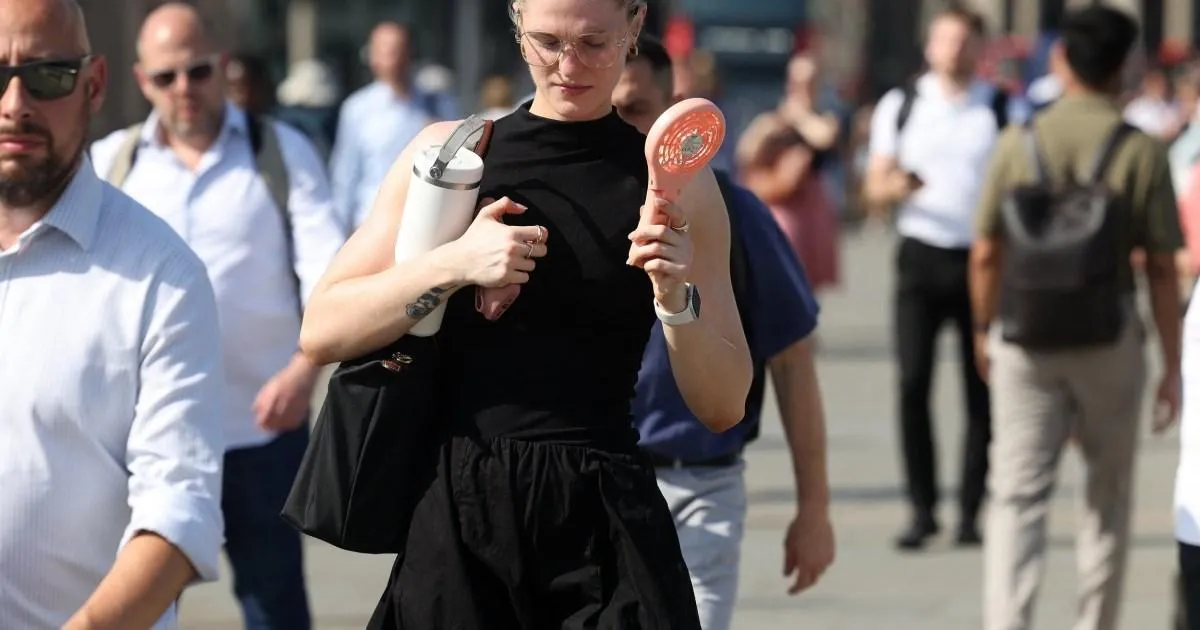
It feels like we’ve barely had a chance to catch our breath since the sweltering heat of June, yet the forecast is already signaling that another intense hot spell is headed our way. Just as the UK begins to adjust to the rhythm of summer, meteorologists are warning that temperatures are set to climb significantly throughout the week, potentially hitting the low 30s. This surge comes on the heels of a brutal heatwave in the US, where a “heat dome” caused temperatures to soar past 38C, tragically claiming at least 25 lives over the Fourth of July weekend. Thankfully, experts suggest our local experience won’t reach those extreme, suffocating levels, but it is certainly enough to disrupt our daily routines and test our patience once again.
The UK Health Security Agency has already taken proactive measures, issuing yellow heat health alerts that span London, the South West, the South East, the East of England, and both the East and West Midlands. These warnings are in place through Saturday and serve as a necessary reminder that while we often crave the sun, prolonged exposure carries real risks. Health authorities are particularly concerned for the elderly and those with underlying conditions, as the strain on social care services tends to spike when the mercury rises. It is a cautionary note that for many, summer in the city isn’t just about iced coffee and park outings—it is a period that requires careful management of health and hydration.
If you are living in London or the southern reaches of the country, be prepared for what meteorologists call “tropical nights.” Much like the June scorcher, we are looking at evenings where the temperature struggles to drop below 20C, making sleep elusive and the atmosphere feel heavy. Met Office meteorologist Becky Mitchell highlights a distinct “north-south split” in the forecast; while the south and parts of Wales will be sweating under a clear, blistering sun, the northern regions will likely see cooler clouds and occasional rain. It’s a classic British weather contradiction where your experience this week will depend entirely on your postcode, but for those in the line of the heat, the peak of the discomfort is expected to hit this coming Thursday and Friday.
Beyond the physical toll on our bodies, this heat has a way of grinding the country’s infrastructure to a halt. Commuters should brace themselves for another week of travel headaches, as National Rail has already warned that the soaring temperatures could wreak havoc on our train lines. When the heat gets intense, it isn’t just people who wilt; overhead cables can expand and sag, and tracks have been known to buckle, forcing emergency speed restrictions and service cancellations. Having lived through the disruptions of June, we have all become familiar with the sight of “heat-related speed restrictions,” but it doesn’t make the reality of a delayed journey home in a crowded, sweltering carriage any easier to tolerate.
Despite the gloomy outlook for commuters, there is a silver lining to be found. Experts are quick to reassure us that this particular week of heat will be a bit more manageable than the extreme humidity we endured during the record-breaking June spell, which saw one location hit a staggering 37.7C. This week, we are looking at peaks around 34C; while still incredibly hot and potentially dangerous for the vulnerable, it lacks that ultra-humid, stifling quality that made the air feel so heavy last month. It’s a marathon rather than a sprint, however, as this heat is expected to linger for about a week, meaning we all need to be mindful of our pacing and self-care throughout the duration.
Ultimately, navigating these hot spells is becoming an increasingly common feature of the British summer. Whether you are someone who thrives on the sunshine or someone who spends these days keeping the curtains drawn and the fans spinning, the key is to stay informed and check in on your neighbors. It’s easy to focus on the numbers—the 34C highs or the train cancellations—but the real story is how we adapt to a shifting climate that consistently tests our patience. As the week progresses, keep your water bottle close, your travel plans flexible, and take a moment to enjoy the evening air once the sun finally dips, even if the city remains a little warmer than we might prefer.