


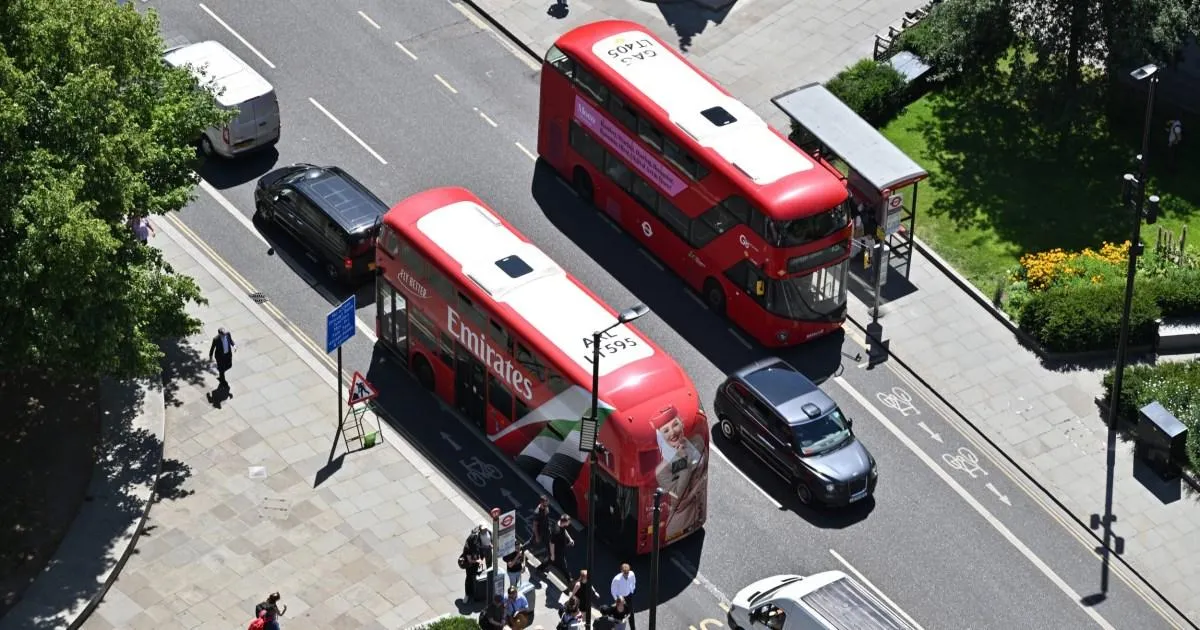
For millions of Londoners, the iconic red bus is more than just a public transport option—it is a vital lifeline. With the cost-of-living crisis continuing to weigh heavily on household budgets, any news regarding travel expenses is naturally met with close scrutiny. Recently, Mayor Sadiq Khan provided a much-needed moment of respite by announcing that bus and tram fares across the capital will remain frozen at their current rate of £1.75 until the beginning of November. This extension offers a temporary shield against inflation, ensuring that daily commutes remain manageable for those who rely on the network to get to work, school, or appointments.
While this four-month freeze is a welcome reprieve, it does bring the reality of future price adjustments into sharper focus. Starting on November 1, commuters should prepare for a shift in pricing, with single adult fares expected to rise by 10p, bringing the cost to £1.85. Similarly, the daily bus cap, which currently sits at £5.25, is slated to increase to £5.55, and the seven-day pass will be adjusted to £26.10. Transport for London (TfL) has noted that even with these upcoming changes, historical data suggests that fares remain relatively stable; had they kept pace with inflation over the last decade, a single journey would already be costing passengers £2.35.
In the spirit of supporting local travel during the busier months of the year, there is some good news for those planning weekend outings. Between July 25 and the end of August, the city is introducing a special “Weekend Hopper” offer. During this window, passengers can enjoy unlimited bus and tram travel every Saturday and Sunday for just £1.75 for the entire day. By making it more affordable for residents and tourists alike to navigate the city, the Mayor hopes to encourage people to engage with London’s vibrant offerings throughout the summer season without the stress of accumulating high transit costs.
When announcing the extension, Mayor Khan emphasized his commitment to keeping TfL services as accessible as possible during these financially trying times. He underscored the importance of the existing “Hopper” fare system, which has been a transformative tool for millions, allowing for unlimited one-hour transfers for a single fee. By extending the current freeze and introducing the summer weekend promotion, the mayor aims to ease the strain on the pockets of hardworking Londoners, acknowledging that even small savings can make a significant difference to families currently balancing tight monthly budgets.
However, the news has not been without its critics, as passenger advocates point to the broader challenges facing the bus network. London TravelWatch has expressed concerns regarding the planned November increases, noting that any rise in fares is difficult for lower-income passengers to absorb. Their apprehension is compounded by ongoing frustrations regarding service quality, specifically the declining speed of the bus network. With buses currently averaging just 7mph—barely faster than a steady jog—there is a growing tension between the cost of the ticket and the time it takes to reach one’s final destination.
Ultimately, the future of London’s bus network remains a balancing act between financial sustainability and social responsibility. While the November price hike is likely unavoidable to sustain the system, the current reprieve provides a window of stability for those who depend on these services most. As London moves closer to the end of the year, the conversation will likely shift from simple fare pricing to the deeper need for service improvements. For now, however, the majority of commuters can take comfort in the fact that their daily journeys will remain at a predictable price throughout the heat of the summer months.