

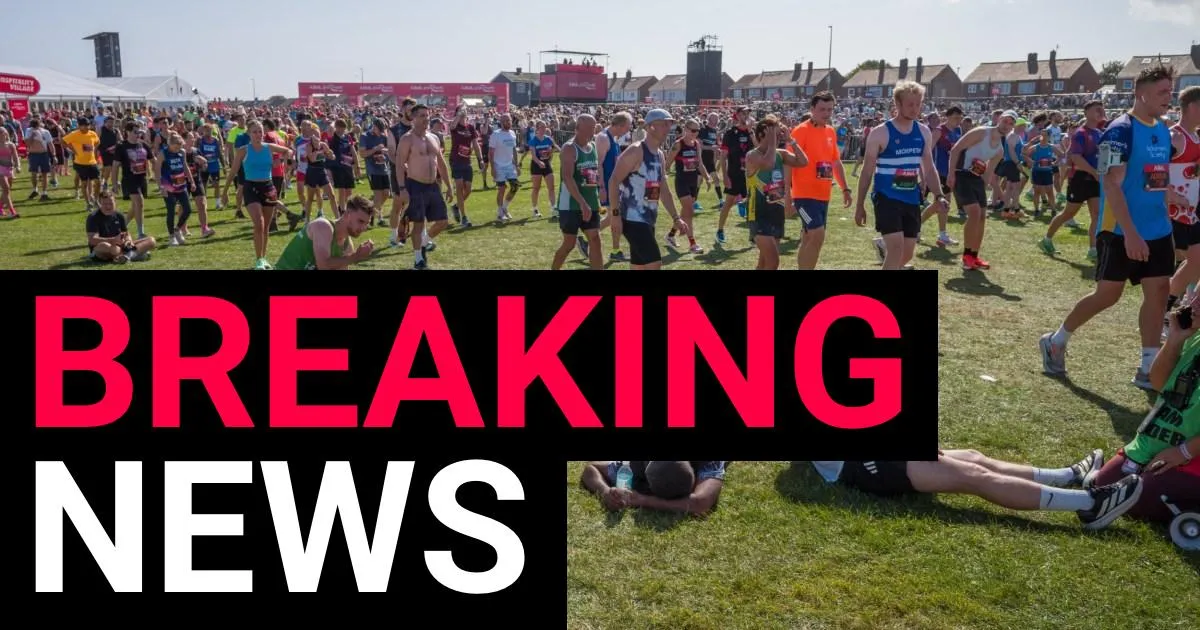
The sun rose over the North East of England with a promise of celebration, casting a golden glow over the iconic route from Newcastle upon Tyne to the coastal town of South Shields. On this particular Sunday, the air was electric with the collective energy of 63,000 runners. They came from all walks of life, united by a common goal: to conquer the 13.1 miles of the Great North Run, the world’s most beloved half-marathon. There were the elite athletes with sculpted bodies and sharpened focus, sprinting toward personal bests and prize winnings. But they were vastly outnumbered by the everyday heroes—the charity fundraisers clad in feather boas and tutus, the amateurs with their names emblazoned on their shirts, the groups of friends laughing through their heavy breaths, and the families pushing strollers or supporting a loved one with a dodgy knee. For most, it was a day of personal triumph, a testament to months of relentless training, early mornings, and aching muscles. The streets were lined with roaring spectators, their cheers creating a cacophony of support that spurred the masses forward. It was a celebration of human endurance, a festival of sweat, determination, and pure, unadulterated joy. Yet, amidst this vibrant tapestry of life and vitality, a shadow fell. Two young men, just 25 years old, collapsed during the run. Their bodies, pushed to the absolute limit, abruptly gave out, and despite the frantic, desperate efforts of the medical teams, they could not be brought back. The festive spirit shattered in an instant, replaced by the cold, hard reality of mortality.
These two men were more than just numbers counted among the tragic statistics of a mass-participation event. They were 25 years old—an age that represents the very zenith of physical capability, a time of boundless potential, vibrant futures, and unspent dreams. They hailed from the North East of England, a region famous for its fierce pride, warm camaraderie, and tight-knit communities. These were likely sons who had just called their mothers to say they were off to the race, partners who had shared a routine embrace at the start line, and friends who had swapped jokes about the impending blisters. They were young men in the prime of their lives, likely athletes who had trained for months, who had probably eaten their pasta the night before, laid out their kit, and visualized crossing that finish line in South Shields. The grim reaper does not discriminate, but his timing here felt particularly cruel. While their identities were withheld out of respect for their grieving families, we can imagine the heartbreaking scenes unfolding in quiet homes across the North East—parents collapsing in disbelief, partners frozen in shock, and siblings staring vacuously at their phones, waiting for news that will never come. The initial elation of participation—the ‘I did it!’ texts that were supposed to be sent—will now be replaced with a somber autopsy. The cause of death remained a mystery to be investigated, leaving families with agonizingly unanswered questions. Was it an undiagnosed cardiac condition? A catastrophic heatstroke? Or a freak, unpredictable physiological failure? The uncertainty is a torturous companion, adding a layer of profound confusion to the unfathomable pain of loss.
In the immediate aftermath, the response was swift and heroic. Paramedics, stationed at intervals along the route, arrived within seconds of the collapses. They were professional, determined, and relentless. Reports confirmed that the two men died despite the “very best efforts” of the emergency responders. These words, sterile and clinical as they are, mask the sheer physical and emotional intensity of a rescue attempt on a crowded course. Imagine the scene: the deafening noise of the crowd suddenly muffling into a tense silence as a young man convulses on the asphalt. Bystanders step back, their jubilant faces turning pale. The paramedics’ shouts cut through the air as they fight against time itself, performing CPR, attaching defibrillators, willing the heart to beat just one more time. Every compression is a prayer, every shock an act of hope. But sometimes, the human body simply refuses to cooperate, and the fight is lost. The Great Run Company, the event’s organizers, released a statement of profound sorrow. “Everyone involved in organizing the Great North Run extends their heartfelt condolences to the family and friends of the two participants,” it read, adding that they were “continuing to support their families during this incredibly difficult time.” These formal words of an organization belie the raw grief felt by every staff member, marshal, and volunteer who witnessed the tragedy. For them, the race day that was supposed to be a logistical triumph became a somber vigil, a stark reminder that their job, at its core, deals with the fragility of the human vessel.
For the running community, the deaths are a visceral gut punch. Runners share a unique bond—an understanding of the suffering, the discipline, and the borderline-fanatical commitment to pushing one’s physical boundaries. When tragedy strikes a fellow runner, it strikes them all. As 63,000 participants crossed the finish line in South Shields throughout the day, many were oblivious to the double tragedy that had unfolded behind them. But as they checked their phones to share their triumphant times on social media, the news alerts began to surface. The jubilant hashtags turned somber. Conversations in the recovery area, once filled with chatter about split times and electrolyte tablets, turned hushed and contemplative. Every runner began to replay their own race in their minds. Did they push too hard? Did they feel any chest tightness? Could it have been them? The great leveller of athletics is that beneath the fitness, the hydration strategies, and the heart-rate monitors, the human body remains a delicate engine, capable of catastrophic failures without warning. This introspective fear is compounded by a shared sense of survivor’s guilt. The race is a microcosm of life—a struggle against time and fatigue—and the two men who lost their lives became unintended symbols of that ultimate struggle. The collective elation felt by the 62,998 others who finished was muted, replaced by a somber respect for those who made the ultimate sacrifice in pursuit of a personal goal.
Despite the devastating loss, the event itself continued, as life often does. The 45th staging of the Great North Run concluded, with its iconic finish line on the South Shields seafront still welcoming a river of exhausted, emotional runners. Notably, this year’s edition saw Andy Burnham, the Mayor of Greater Manchester, become the first sitting prime minister to take part—a bizarre, historical footnote that now seems trivial against the tragic backdrop. The organizers faced the unenviable task of balancing the continuation of a beloved public event with the privacy and grief of the deceased men’s families. They made the discreet and respectful decision to release no further details about the victims, insulating them from the glare of the media spotlight. They did not allow the tragedy to be sensationalized into a morbid spectacle. Instead, they drew a curtain of privacy around the families, allowing them to mourn in peace. This quiet dignity stands as a testament to the character of the event’s management. The tents and barriers have since been dismantled; the road swept clean of discarded gel wrappers and crushed water bottles. But the emotional residue remains. The course route, which runs through the heart of the North East, is a permanent landmark. For locals, the memories of this year’s run will be indelibly scarred. The laughter and cheers will be remembered, but so will the sirens of the ambulances and the dreadful rumble of news spreading through the crowd. The race will go on next year, and the year after, but for the families of the two young men, an integral part of their future has been violently severed.
As the dust settles, we are left with a profound sense of melancholy and empathy. Two families in the North East are now planning funerals instead of celebrating finish times. They are selecting caskets, not trophies. The hugging of fellow participants outside the finisher’s tent is replaced by the hollow embrace of mourners at a wake. Our hearts go out to them—to the mothers who will never see their sons walk through the door again, to the fathers who have lost their pride and joy, to the partners who will sleep alone, and to the friends who will forever associate the sight of running shoes with a gut-wrenching ache. This tragedy serves as a stark, humbling reminder of the precariousness of life. We spend so much time obsessed with our times, our distances, our personal records, and our Instagram-worthy finish line photos. But ultimately, the most important thing is the simple, beating heart in our chests. The Great North Run, in all its glorious pageantry, is a celebration of that beating heart—the oxygen pumping, the muscle contracting, the will to keep going. But on this particular day, two young men’s hearts simply failed them. As we move forward, we must hold our loved ones a little tighter, treasure our health with a little more humility, and when we next lace up our running shoes, we should spare a thought for those who never got to cross the line. Their memory will linger on the windswept roads of Northumberland, a poignant reminder that every step is a gift, and every finish line is a small, precious miracle. May they rest in peace, and may their families find the strength to endure an unimaginable loss.