



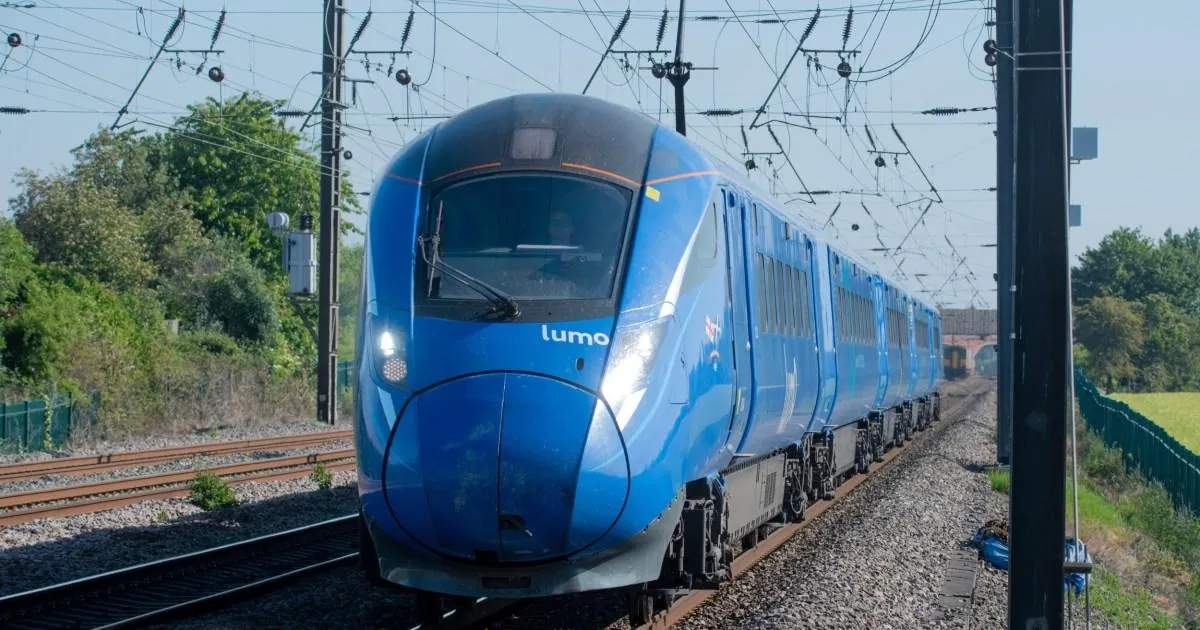
The concept of a long-distance train journey is supposed to be one of comfort—a chance to settle into a seat, watch the countryside roll by, and perhaps enjoy a coffee while settling in for a multi-hour trip. However, for passengers traveling the 417-mile stretch between London Euston and Stirling, that vision has been shattered by a series of operational failures. Lumo, the operator running this vital artery on the West Coast Main Line, has recently faced intense public backlash after multiple services were forced to run for up to six hours without a single functioning toilet on board. In a modern transit system, the loss of such a basic human necessity is not just an inconvenience; it is a profound breach of the fundamental service expectation every traveler holds when they purchase a ticket.
The frustration reached a boiling point during a recent early morning service, where passengers were informed via social media that the train would be traversing the country with no working facilities due to a technical fault. To make matters worse, the journey was marred by a nearly hour-long delay and an early termination at Motherwell, leaving commuters stranded short of their intended destination. When confronted with the reality of a six-hour journey without a lavatory, the operator’s suggestion to “speak to onboard staff for assistance” felt woefully inadequate. Passengers were left to cope with unscheduled, prolonged stops at stations like Preston, where the only hope of relief was a desperate dash to the platform restrooms, a situation that highlights how fragile and unreliable the daily commute has become.
Predictably, the public response has been a mix of biting sarcasm and genuine alarm. Liberal Democrat MP Olly Glover captured the mood of many when he questioned if Lumo was attempting to become the “Ryanair of the rails,” suggesting that the operator was “literally taking the piss” with its disregard for passenger dignity. On social media, the discourse was equally scathing, with frustrated travelers asking what exactly onboard staff could do to help—with some dryly questioning if they were expected to provide a bucket. Behind the jokes, however, lies a serious concern regarding accessibility. For passengers with disabilities, chronic health conditions, or even just families with young children, the absence of a toilet is not just a nuisance—it is a significant barrier that renders the service functionally inaccessible and exclusionary.
In response to the mounting pressure, Lumo and their partners at Alstom—the company responsible for refurbishing the Class 222 Meridian trains currently in use—have offered apologies and explanations. They acknowledged that the situation falls far below the standard that fare-paying customers deserve, particularly on a long-distance route. Alstom has pledged to review the entire fleet, aiming to improve overnight servicing and reduce the risk of recurring mechanical failures. While these corporate assurances are necessary, they do little to soothe the anxiety of a traveler who is now left wondering, every time they book a ticket, whether their basic needs will be met or if they are stepping onto a train that will fail them before they reach their destination.
This incident also shines a spotlight on the unique and somewhat precarious nature of “open access” rail operators in the UK. Unlike other major rail services that are currently being folded back into public ownership under the umbrella of Great British Railways, Lumo operates independently. They do not receive taxpayer-funded subsidies, which grants them the freedom to set their own fares and operational models, but it also isolates them from the broader safety nets of the nationalized network. While this model is designed to encourage competition and efficiency, stories like this demonstrate the potential downside: when a private operator’s equipment fails, the impact on the passenger experience is immediate, harsh, and, in this instance, devoid of the basic amenities one would expect on a modern, long-distance railway.
Ultimately, the situation serves as a stark reminder that technology and speed mean very little if the foundational aspects of human comfort are neglected. As the UK rail network undergoes a broader, systemic transformation, the case of the “toilet-less train” stands as a cautionary tale about the importance of reliability. It is not enough to simply move people from point A to point B; operators must ensure that the journey itself is dignified and humane. Until Lumo and Alstom can prove that these breakdowns are a thing of the past, they will continue to struggle with a damaged reputation, proving that in the world of public transport, the smallest mechanical failure can lead to the biggest reputational crisis.