

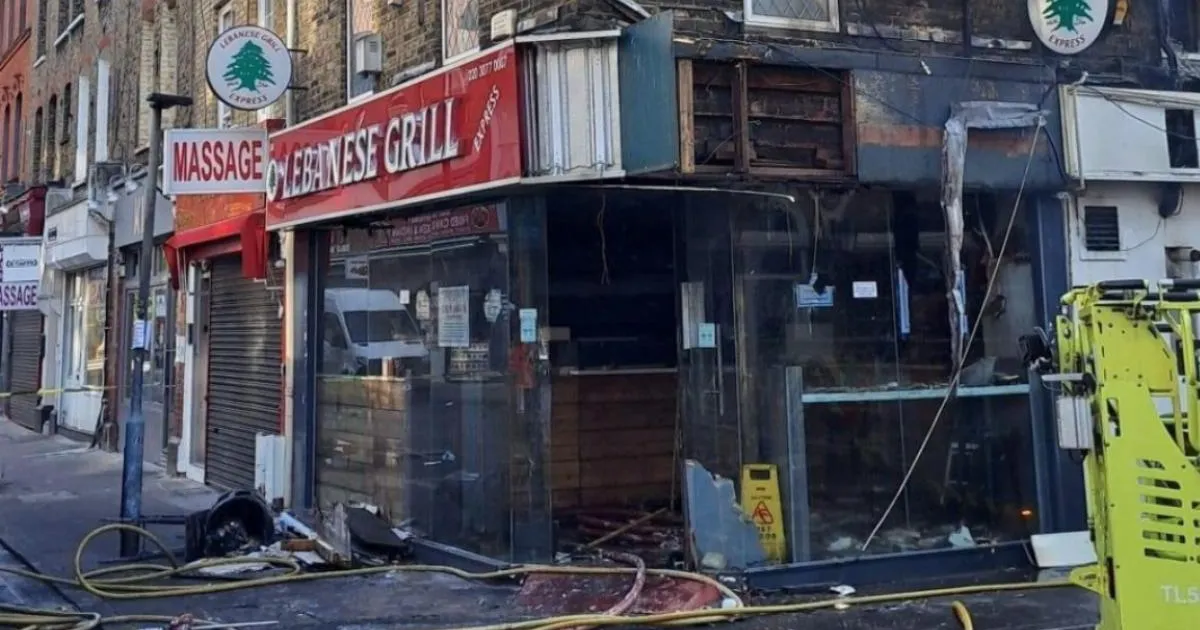
The saga of the Lebanese Grill Express in Clerkenwell serves as a modern cautionary tale about the unpredictable collision between the digital world and local community life. What began as a modest takeaway shop in central London spiraled into a viral phenomenon, thanks to its popularity on TikTok. The savory allure of its signature shawarma drew crowds from across the city, transforming a quiet corner into an epicenter of transient foot traffic. However, this sudden fame did not sit well with the residents of the nearby Bourne Estate, who found their once-peaceful neighborhood transformed into a chaotic staging ground for social media content.
The tension between the shop and its neighbors quickly pivoted from mere frustration to genuine distress. Local families described a nightly atmosphere that felt increasingly hostile, characterized by endless noise, rampant littering, and thick plumes of cooking smoke. Most alarming were the reports of aggressive behavior; residents spoke of large groups of teenagers gathering for TikTok videos, which frequently escalated into brawls. Others described “souped-up” cars racing down Leather Lane and the harrowing experience of having fireworks fired at their apartment windows. For many, the area’s sense of safety simply evaporated, replaced by a climate of apprehension that made walking home after the market closed a truly daunting prospect.
Driven by these persistent concerns, the Metropolitan Police eventually intervened, invoking the Anti-Social Behaviour, Crime and Policing Act 2014 to serve the Lebanese Grill Express with a temporary closure notice. This was a significant moment for the community, a brief pause in a relentless cycle of disruption that had left many residents feeling like their grievances were being ignored by business owners who operated as if they were beyond the law. After a period of quiet, the shop made the decision to reopen its doors last week, hoping to return to daily operations. However, the reprieve was short-lived, as the conflict reached a tragic and destructive climax in the early hours of Thursday morning.
In the pre-dawn darkness, a fire broke out at the takeaway, quickly growing into a massive blaze that required the urgent response of 80 firefighters. The scale of the emergency was staggering, with two of the London Fire Brigade’s massive 32-metre turntable ladders deployed to douse the flames from above. The fire didn’t just consume the takeaway; it tore through the structure, devastating the loft extension, gutting the roof, and causing significant damage to the first and second floors of the building. It was a chaotic and frightening scene, forcing the evacuation of surrounding properties as emergency crews scrambled to contain a fire that threatened to spread throughout the historic Clerkenwell streetscape.
While the physical destruction was absolute, there was a profound sense of relief regarding the human toll. Every single resident living within the affected building managed to escape unharmed, miraculously avoiding what could have been a catastrophic tragedy. For three long hours, fire crews from Soho, Euston, and Islington battled the inferno, finally bringing the situation under control by 8:51 a.m. The immediate danger had passed, but in its wake, the burnt-out shell of the takeaway—which had only just reopened—left a haunting visual reminder of how quickly a business’s rise and fall can alter a neighborhood.
As the smoke clears, the focus has shifted toward the mystery of how the fire started. The London Fire Brigade has launched a formal investigation to determine the cause, a process that will undoubtedly be scrutinized by both the local authorities and the rattled residents of the Bourne Estate. The Lebanese Grill Express has been contacted for comment, but until the investigation concludes, the neighborhood is left to grapple with the aftermath of a situation that escalated far beyond the control of anyone involved. Whether this marks the end of a troubled chapter or the beginning of a complex legal inquiry, the incident stands as a stark reminder of the often-unseen costs of viral fame when it outpaces the safety and well-being of the local community.