



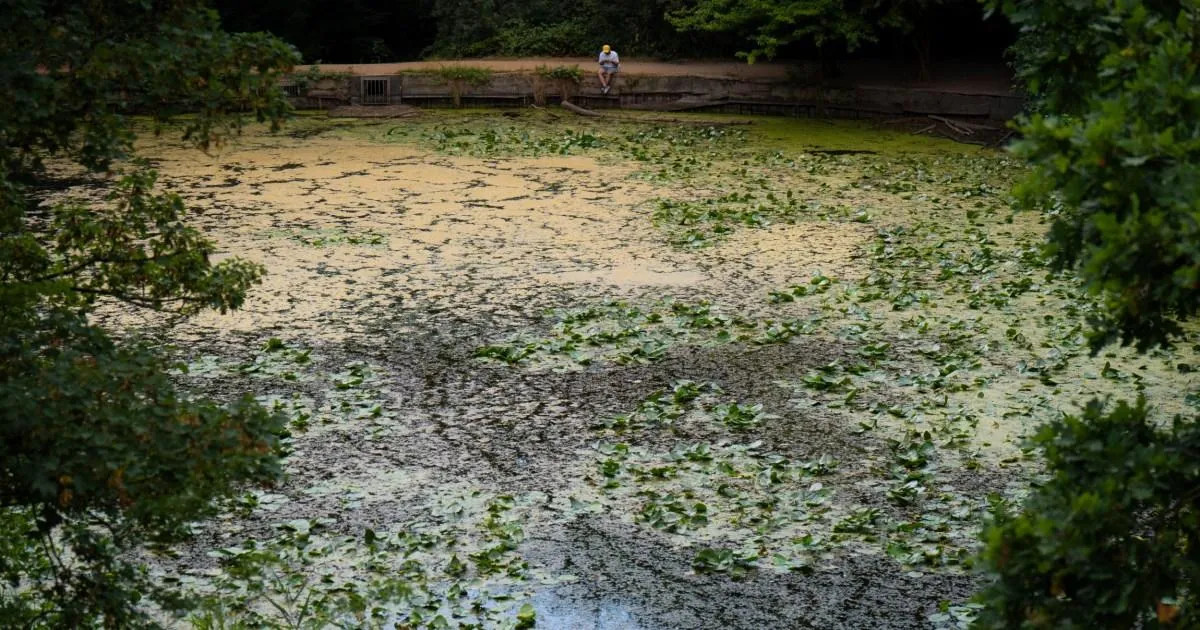
The summer plans of many Londoners have been thrown into doubt after the country’s first official riverside bathing spot was hit by a toxic algal bloom. The Ham and Kingston bathing site on the River Thames only opened in May, celebrated as a historic step forward for urban wild swimming and a sign that London’s great river was finally clean enough to welcome people back into its waters. But the Environment Agency has now warned swimmers to stay away, confirming the presence of blue-green algae in and around the designated swimming area. The official advice against bathing has been activated on the Swiminfo website, and warning signs have been put up by the Royal Borough of Kingston upon Thames along the affected stretch of river. This is not a vague suggestion; the agency is telling people not to enter the Thames between Hampton and Kingston at all, and is stressing how important it is to keep dogs away from the water. It is a cruel twist for everyone who had dreamed of warm summer afternoons in the river, and a sharp reminder that we cannot take even our most cherished natural spaces for granted.
The danger lurking beneath the surface comes from cyanobacteria, tiny plant-like organisms often called blue-green algae. These organisms are not always harmful, but under the right conditions they multiply so quickly that they form dense blooms across the water, looking like a mat of green paint or thickening pea soup. Some of these blooms release powerful toxins that pose a serious threat to human and animal health. For people, contact with the water can cause skin rashes, nausea, vomiting, and more severe illness if contaminated water is swallowed. For animals, especially dogs, the consequences can be far more devastating. Dogs are particularly vulnerable because they tend to paddle enthusiastically, drink the water, and then lick their fur clean. A single swim on a hot day can expose them to enough poison to make them seriously ill, and in the worst cases, exposure can be fatal. That is why the Environment Agency’s warning is so urgent. It is not just an inconvenience; it is a genuine health alert. The agency has even said it is “vitally important” to keep pets on leads and away from the river, because their instinctive desire to cool off could end in tragedy.
This bloom did not appear out of nowhere. It is the product of a punishing summer that has pushed England’s rivers to breaking point. Large parts of the country are now officially in drought after five heatwaves, with temperatures soaring above 38.1C. The combination of relentless heat, very little rainfall, and slower-moving water has created the perfect environment for cyanobacteria to thrive. The Environment Agency has already reported a worrying increase in algal blooms, along with more fish deaths and deteriorating water quality across the country. Warm, sluggish water holds less oxygen, and the presence of nutrients from agricultural runoff and sewage provides an ideal feast for the bacteria, allowing them to spread in ways that would not have been possible in cooler, wetter conditions. The fact that this is happening on a designated bathing site is deeply symbolic. It shows that even the best intentions for river restoration are fragile when the climate itself is changing faster than our infrastructure and our ecosystems can cope with. The agency is now taking water samples from the affected stretch to understand how far the bloom extends, and has informed downstream abstractors and the UK Health Security Agency. That last detail matters, because this is not just about swimmers having a less exciting weekend; it is about public health, drinking water, and the wider health of the river system.
The loss of the Ham and Kingston bathing site to toxic algae is especially painful because of how much hope was poured into it. For years, campaigners and open-water swimming groups pushed for official status, arguing that rivers should not be treated as mere drainage channels or shipping lanes. They wanted people to reconnect with the Thames, to feel its water against their skin, and to reclaim a sense of shared public ownership over a river that had historically been a filthy and unwelcoming place. When the bathing site was designated, it felt like a turning point. It meant regular water testing throughout the summer season until the end of September, and it gave swimmers a degree of confidence that their health would not be put at risk by unseen pollution. The designation was also a signal that the Thames had become cleaner and healthier than it had been for generations. But this algal bloom exposes the limits of that progress. The water could still be clean enough for fish, boats and wildlife in many places, but not necessarily for human bodies. The river still has unpredictable seasons and dangers, and even a designated bathing spot can become unsafe in a matter of days. What makes this bearable, perhaps, is that the monitoring system is working. The danger has been caught quickly, warning signs have appeared, and swimmers are being kept safe. That is what official status is supposed to do, even if it feels cruel in the moment.
There is a broader lesson here about how we think about rivers and what we expect from them. We often treat bodies of water as if they are permanent, unchanging resources, there for our convenience whenever we want them. But a river is never still. It is a living, shifting web of plants, animals, bacteria, sediment, nutrients and tides. Its quality can change from week to week, or even from one moment to the next, depending on what happens upstream and in the sky above it. Blue-green algae have been around for billions of years, and they are not villains; they are ancient life forms that will always be part of freshwater ecosystems. What has changed is the balance between them and everything else. Warmer temperatures, drought, pollution, and excessive nutrient loads are tilting that balance, turning occasional blooms into more frequent and more dangerous events. The only way to protect our rivers and our right to enjoy them is to tackle the root causes of this imbalance. That means reducing pollution at the source, restoring natural riverbanks and wetlands, managing water more carefully, and taking urgent action on climate change. It also means being humble enough to listen when a river says it is not safe. The warning at Kingston is an uncomfortable reminder that human desire is not always compatible with natural conditions, and that sometimes respect means staying away.
For the rest of the summer, the safest choice is to follow the official advice and keep out of the water. It may feel frustrating, especially when the sun is blazing and the river looks calm and inviting. But the toxins cannot always be seen with the naked eye, and the bloom may drift and linger in ways that are impossible to predict. Even if the water appears clear near the shore, contaminated sections could be just around the bend. Dog owners should be especially vigilant, keeping their pets on leads and encouraging them to drink from a bowl rather than the river. The good news is that algal blooms are not always permanent. Cooler weather, rain, and changing river flows can break them down, and the Environment Agency will continue monitoring the water. It is possible that the bathing site will reopen later in the season, allowing swimmers to finally take the plunge after weeks of waiting. But even if it does not, the campaign for a swimmable Thames should not be seen as a failure. The dream is still worth fighting for, but it must be accompanied by a deeper respect for the river’s own needs. If this summer teaches us anything, it is that clean water is not something we can demand; it is something we must nurture. For now, the most compassionate and responsible thing to do is to stay on the bank, admire the river from a distance, and give it the space to recover.