

The United Kingdom is currently grappling with a climate reality that many once thought was impossible: a series of back-to-back, blistering heatwaves that are pushing the nation’s infrastructure toward a breaking point. From urban transit and healthcare facilities to the very cooling systems keeping our food supply safe, the extreme temperatures are proving that our country—historically designed for cooler, temperate weather—is struggling to keep pace. As temperatures soar toward 37°C and beyond, hospitals have been forced to declare critical incidents, and meteorologists have issued sobering warnings that these sweltering conditions are not merely a random fluke, but the new, uncomfortable norm in a warming world.
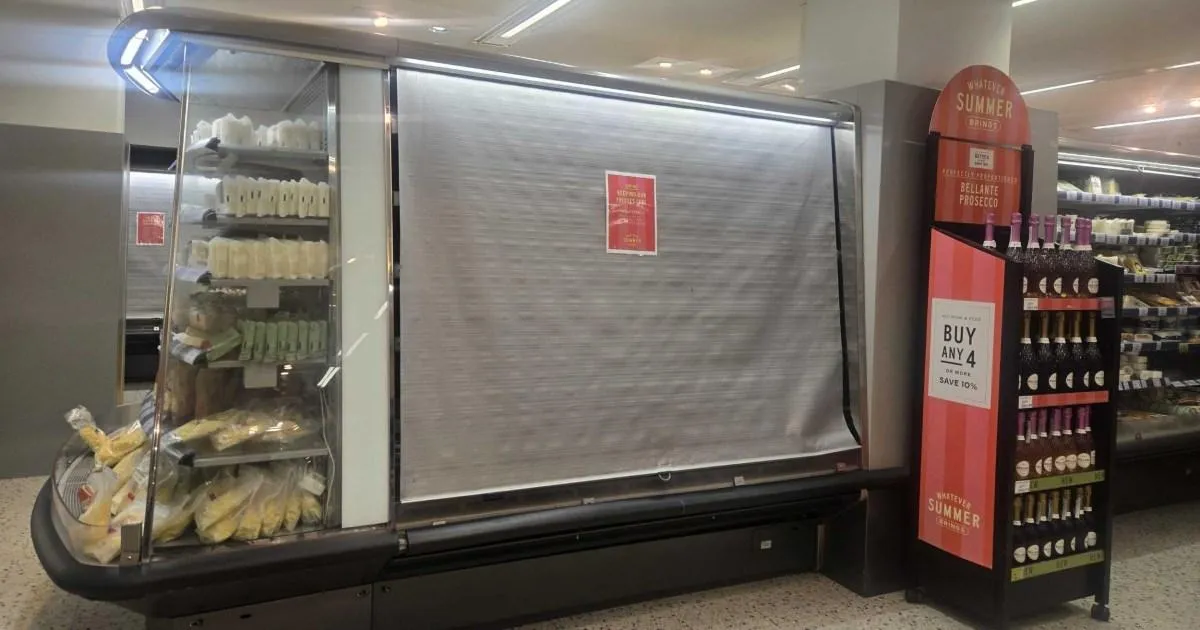
For the average shopper, the impact of this climate shift has been visceral and immediate. Walking into a local supermarket, many found themselves staring at empty, darkened refrigeration units as stores like Marks & Spencer struggled to keep their perishables cold during the unprecedented heat. In some London locations, staff were forced to purposefully shut down sections of their refrigeration equipment, a desperate move to prevent the entire system from failing under the strain. These blank, warm displays serve as a modern-day snapshot of the growing friction between our existing social infrastructure and a rapidly changing environment.
Recognizing that the heatwave of last month was a wake-up call, Marks & Spencer has publicly committed to a major overhaul of their store specifications. CEO Stuart Machin admitted candidly to shareholders that the company was indeed “struggling” during those nine days of intense heat, noting that the status quo simply cannot survive the temperatures we are now regularly seeing. The company is now investing millions into upgrading store technology to ensure they can remain functional in environments reaching 45°C. This proactive shift reflects a deeper anxiety shared by many businesses across the UK, as they prepare for a future where such extreme heat is expected to be a standard baseline rather than a rare anomaly.
The forecast for London and the surrounding regions remains a cause for concern as the summer progresses. With amber heat health alerts blanketing much of the Midlands and Southern England, residents are facing “tropical nights” where temperatures refuse to dip, leaving homes and high-density urban areas stiflingly hot. It is a grueling cycle that exhausts the population and places added pressure on those living in apartments or working in environments ill-equipped for such prolonged heat. Met Office projections suggest that the mercury hitting 45°C could be a recurring reality by 2056, forcing us to consider how our lifestyle, our housing, and our expectations of comfort must evolve to survive the coming decades.
Beyond the supermarket shelves and the heat-soaked concrete of the city, the land itself is gasping for relief. Rainfall has been alarmingly sparse, leading to a tightening of resources that has forced water companies to intervene. While Londoners are being asked to curb their water usage voluntarily, other parts of the UK face strict, enforceable hosepipe bans. In places like Kent, Hampshire, and the Isle of Wight, the government has moved to conserve supplies, warning that residents who ignore these water restrictions face a potential £1,000 fine. The sight of parched, yellowed grass in our celebrated public parks serves as a silent, brown testament to the ongoing drought conditions.
As we look toward the remainder of the summer, the message is clear: the UK is entering a new chapter of environmental adaptation. Whether it is the necessity of finally installing air conditioning in century-old transit lines or the need for smarter resource management, these heatwaves are catalyzing a national conversation about resilience. We are no longer merely enduring a seasonal weather pattern; we are collectively transitioning to accommodate a hotter, more volatile climate. Staying informed, looking out for vulnerable neighbors, and respecting current water restrictions are the small, daily ways we navigate this new, heated landscape together.