


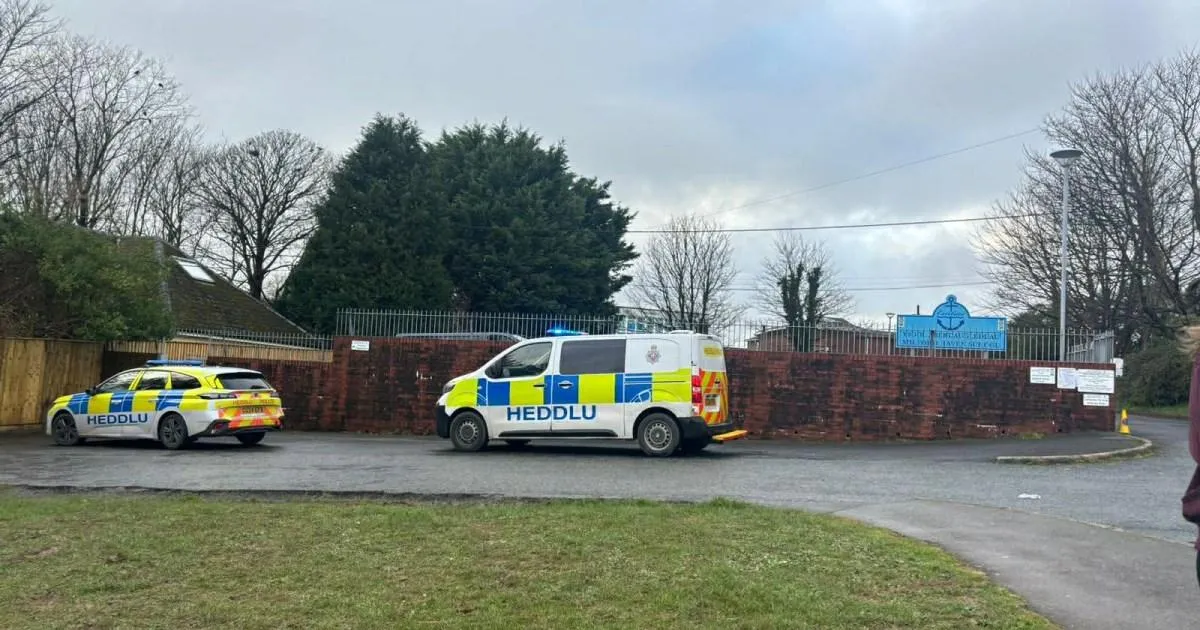
The halls of the Milford Haven Comprehensive School, usually filled with the routine sounds of students moving between lessons, became the stage for a deeply distressing incident that has left a community reeling. In February, the school was forced into an immediate lockdown after reports emerged of a violent confrontation between a 15-year-old student and his teacher, Vicky Williams. As the details of that Wednesday afternoon have begun to surface in the chambers of Swansea Crown Court, the public is forced to grapple with the reality of an event that shattered the sense of safety fundamental to any educational environment. The legal proceedings now underway mark the beginning of a long, painful process of seeking accountability and understanding how a day of learning turned into a site of violence.
The prosecution’s narrative presented in court portrays a chilling level of premeditation, suggesting that the teenager entered the school with a kitchen knife concealed in his bag, specifically intending to cause serious harm. According to the statements made by Christopher Rees KC, the incident began when the student allegedly followed Ms. Williams into an empty classroom, initiating what the authorities are calling a “murderous attack.” While the legal debate continues, the raw facts of the struggle—a teacher pushed into a chair, a knife drawn, and a desperate fight for survival—paint a harrowing picture of an incident that reached well beyond the bounds of a typical school disciplinary matter.
For Ms. Williams, the event was a fight for her life. As she scrambled to defend herself, she sustained a stab wound to the head alongside defensive injuries to her hands and various cuts, an indication of the desperate nature of the struggle. Her screams of distress eventually alerted those nearby, prompting the teenager to flee the scene before emergency services arrived to turn the quiet school environment into a frantic rescue operation. Despite the trauma of the physical assault, the teacher was fortunate enough to be discharged from the hospital later that same evening, though the emotional scars, and the lingering shock within the school’s staff and student body, will undoubtedly take much longer to heal.
Current legal proceedings have seen the teenager, now 16 and shielded by legal anonymity, deny the charges of attempted murder and grievous bodily harm with intent. While he has admitted to the count of possessing a blade on school premises, the courtroom remains the arena where the nuance of his intent and the extent of his culpability will be determined. The trial, scheduled to last several weeks, is not merely a procedural event; it is a point of closure for those who witnessed the chaos that day, as the community watches closely to see how the justice system navigates a case involving such deep-seated trauma and the betrayal of what should be a secure, nurturing environment.
In the immediate aftermath of the attack, Milford Haven school officials worked tirelessly to stabilize the atmosphere, expressing immense pride in the maturity and bravery shown by the students and staff during the lockdown. In their subsequent statements, the leadership team emphasized that their primary focus remained on the well-being of the school population, striving to maintain an environment that feels “safe and caring” after such a fundamental violation of that promise. The school’s administration has had to balance the delicate task of returning to normal operations while acknowledging the underlying anxiety that still permeates the halls—a task that proves difficult when the memory of violence has been etched onto the daily experience of every person on campus.
Looking forward, this case serves as a somber reminder of the vulnerabilities inherent in our schools, which are tasked with fostering growth while remaining open to the unpredictable storms of the outside world. The community’s commitment to supporting one another—pupils, families, and teachers alike—will be essential as the three-week trial proceeds to its conclusion. While the legal verdict will eventually provide a formal resolution, the larger conversation regarding safety and the emotional impact of such a tragedy will likely continue for years. It is a stark moment for Milford Haven, highlighting the resilience of a community forced to navigate the space between the horror of what happened and the necessity of moving forward together.