

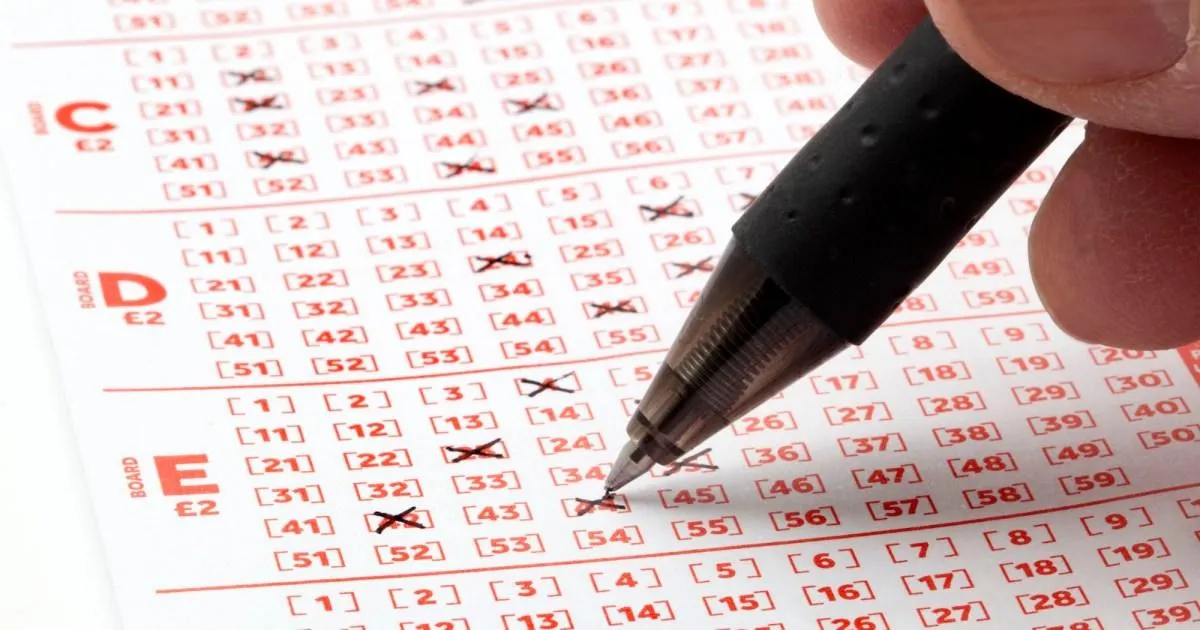
Somewhere in London, a small piece of paper could be about to rewrite a life—and the person holding it has no idea. It might be crumpled in a coat pocket, tucked behind a loyalty card in a wallet, or resting at the bottom of a drawer beneath old chargers and forgotten keys. It could even be folded inside a book, used as a bookmark, or stuck to the fridge with a magnet, overlooked week after week. That unassuming ticket was bought in Lewisham for the Lotto draw on Saturday, September 26, and it is worth £5,844,340. The numbers it carries—22, 27, 38, 42, 47, 59 and Bonus Ball 31—are the exact combination that won the jackpot. But the winner has not come forward. Every day that the ticket remains unclaimed, someone is walking around with a fortune in their possession without knowing it. The money is real. It has already been won. It is waiting in a system that cannot hand it over until the right person checks their numbers and makes the call. The National Lottery is now pleading with anyone who bought a ticket in Lewisham for that draw to search their memory, their pockets, and their homes. Because somewhere in the capital, a life is about to change—it just has not happened yet. The winner might be a local Lewisham resident, a commuter passing through, or a visitor who grabbed a lucky dip on impulse. The ticket has no name. The only clues are the location, the date, and six numbers plus a bonus ball. Until someone realizes what they are holding, the jackpot remains in limbo, a fortune without an owner, waiting for its miracle moment. Imagine the moment of discovery: a glance at the screen, a forgotten ticket retrieved from a drawer, a sudden need to sit down. Imagine the disbelief, the trembling hands, the wild urge to check the numbers again and again. That moment is waiting for one extremely lucky person. They just do not know it yet.
While it is easy to dream about what £5.8 million could buy, the practical side of this story is far more serious. The clock is already ticking. The winner has 180 days from the date of the draw to claim the prize, which puts the final deadline on 25 March 2027. That sounds like a long time, but in the strange, suspended reality of an unclaimed lottery win, it can evaporate. There is also a lesser-known rule: anyone who has lost their original ticket but believes they have a genuine claim can submit their case in writing. However, that written claim must be made within 30 days of the draw—a window that has already closed for most people who might still be thinking about it. This means that, for almost everyone, the physical ticket is the only key to the fortune. If it has been thrown away, torn up, washed and ruined, or accidentally tossed into the recycling, then the money could be lost forever. That is why lottery officials are urging everyone who was in Lewisham on or before September 26 to double-check every possible hiding place. Look in the pockets of coats that have not been worn since the end of summer. Search the floor of the car, under the seats, in the door pockets. Open the guilty drawer where loose batteries, rubber bands, and old receipts seem to breed. The National Lottery’s own advice makes it clear: if you have the winning ticket, take a photograph of both the front and the back, sign the back of the ticket, and keep it somewhere secure before contacting them. In this case, speed matters, because every single day that passes is one fewer day for the winner to discover the impossible truth. Of course, no one actually wants to wait until the very last moment. The thought of holding a winning ticket and letting it sit in a drawer for five and a half months is almost unbearable. For the unlucky person who realizes too late, the idea will be even worse. The Lottery’s helpline exists for exactly this reason, and it is far better to make a call and be told “no” than to never call and forever wonder. Checking a ticket takes less than a minute. The reward could take a lifetime to spend.
This extraordinary situation is unfolding in a particularly busy season for the National Lottery. The same draw that produced the unclaimed Lewisham jackpot also made three other people millionaires overnight. Each of them matched five main numbers plus the Bonus Ball, which was enough to secure a £1 million prize. That means a single Saturday evening created four millionaires, with one of them still in the shadows. Adding to the excitement, lottery operators have revealed that 140 Lotto millionaires have been created so far this year—a number that continues to grow almost weekly. And more life-changing opportunities are just around the corner. This Saturday, a special £12 million “Must Be Won” draw is scheduled to take place. Unlike a normal lottery draw, a Must Be Won draw guarantees that the jackpot will be shared among the top winners by the end of the night, meaning the money has to go somewhere. For players, that is an enormous incentive to buy a ticket and dream. It also means that the National Lottery is entering a golden period of generosity, with life-changing sums being handed out with surprising frequency. Yet none of that dims the poignancy of the Lewisham ticket. While thousands of people will buy tickets this weekend and hope to become millionaires, one person is already a millionaire—or rather, a multi-millionaire—and does not know it. They have already beaten the odds, already become the envy of the nation, and already changed their family’s future. All that is missing is the act of recognition. In a world where so many people wait for their numbers to be called, this is the rare case where the numbers have been called and nobody has answered. For those who dream of a bucket-list life, the lottery has become a reliable source of magic. A win like this can mean a new home, a world tour, a renovated kitchen, an education fund for grandchildren, or the quiet comfort of knowing that every bill will always be paid. But before any of that can happen, the winner must first discover that they are the winner. It seems impossible to ignore such an enormous fact, but life is busy. Work deadlines, school runs, family emergencies, and the constant hum of daily life push small pieces of paper to the margins. This is why the lottery continues to spread the word, not just through press releases but through the growing number of people whose lives have already been transformed.
At the centre of the search is Andy Carter, Senior Winners’ Advisor at Allwyn, the company that operates The National Lottery. Carter has seen this kind of situation before, but he still finds it remarkable. In a statement, he captured the strange wonder of the moment: “Somewhere, someone is holding a Lotto ticket worth more than £5.8 million and may not even realise it yet.” He described it as an incredible thought and urged everyone who played Lotto in Lewisham for the September 26 draw to check their tickets carefully. His words went on to make an important point: it does not matter whether the winner is local or just passing through. London is a transient city, full of visitors, tourists, workers, and students who stop in every corner of the capital for a few hours or a few years. The person who bought the ticket might not have heard the news at all, because they have already moved on to another city, another country, another life. Carter’s message is simple and heartfelt: “Just imagine this sum of money in your bank account.” It is a phrase designed to make people pause. He said: “This is a massive win, and we really want to unite the lucky ticket holder with their Lotto jackpot prize. Check your tickets – it could be you!” For Carter and his team, the job is not just about processing claims. It is about solving the mystery, finding the needle in the haystack, and delivering news that will genuinely stun someone, perhaps over a quiet telephone call on a normal weekday. That call will begin with a request to sit down, and it will end with a life transformed. Until that call happens, the search continues. We can only imagine the conversation when that call finally takes place. There will be pauses, questions, a demand to check the numbers again. The advisor will reassure, guide, and explain the next steps. It will be one of the most ordinary and extraordinary phone calls ever made in someone’s life. The fact that this moment has not yet happened is part of the reason so many of us love the lottery: it is unpredictable, deeply personal, and endlessly hopeful.
So what should the lucky winner do? First, check the numbers: 22, 27, 38, 42, 47, 59 and Bonus Ball 31. If they match, the next step is to resist the urge to post the ticket on social media. Instead, the National Lottery advises signing the back of the ticket, taking a clear photograph, and keeping it in a safe, dry place. Then, the winner should contact the National Lottery Line on 0333 234 5050 or email [email protected]. The team is available to talk through the claim process and arrange for the prize to be paid out. For anyone who has questions about this draw or any other National Lottery draw within the 180-day deadline, the same contact details are open. There is something wonderfully simple about this process: a few numbers, one phone call, and a fortune changes hands. But the emotional journey is far more complicated. Many lottery winners describe the first few days after realizing they have won as a blur of shock, denial, and euphoria. Some need a week before they can even say the words “I won the lottery” out loud. Others spend the first night awake, staring at the ticket as if it might disappear. That is the experience waiting for the Lewisham winner. It is not just a financial transaction. It is a psychological earthquake. The National Lottery has handled this before by offering support and guidance to winners, including financial advice, media training if they choose to go public, and time to decide what to do next. But no amount of support can prepare someone for the instant when disbelief turns to certainty. All of that, however, depends on one thing: finding the ticket. Even if you bought your ticket in a different part of London, check anyway. Even if you are sure you did not win, check anyway. It takes less than a minute, and the moment of comparing numbers is always tense, regardless of the outcome. For the person holding the winning ticket, that minute will become the marker of a new life: before and after. The National Lottery’s message could not be clearer—the ticket exists, the win is real, and the winner might be one check away from discovering their own fortune.
There is a poetic irony in the fact that a ticket worth £5.8 million can go unnoticed. In a culture that is obsessed with money, status, and financial security, the idea that someone might be walking around with the answer to all their problems—and not know it—is almost too strange to believe. It reminds us that luck is not always loud. Sometimes it is quiet. Sometimes it hides in the crease of an old wallet or the bottom of a handbag, waiting for a moment of attention. This is why the search for the Lewisham winner has touched so many people. It is not just a news story; it is a mirror. We all imagine what we would do if we won, how we would spend the money, who we would tell, what we would change. The unclaimed ticket makes that fantasy feel close and tangible. It could be anyone. It could be you. The National Lottery is doing everything it can to make sure this winning ticket does not become a cautionary tale. The deadline is 25 March 2027, a date that seems distant but will arrive sooner than the winner imagines. If you were in Lewisham around the time of the draw, or if you know someone who was, check now. Look through that pile of papers, open that drawer, dig through that coat pocket. The next few weeks are the golden window, before the story fades from the news and the ticket gets buried even deeper in the busy landscape of everyday life. Somewhere in Lewisham, on a Saturday in late September, someone bought a dream. That dream is still out there, waiting to be recognized. The only thing missing is the moment when the ticket is turned over, the numbers are compared, and the words “I think I won” are said out loud. For one lucky person in London, that moment is already written in their future. They just have to find what is already theirs.