
The Portway in Bristol didn’t start its life quietly. When it was finally carved through the rugged, spectacular landscape of the Avon Gorge in 1926, it was a headline-grabbing marvel that made people stop and stare. At the time, it was officially the most expensive road ever constructed anywhere on Earth, with a price tag of £800,000 — a jaw-dropping sum back then, and roughly £42 million in today’s money when you adjust for inflation. You can almost picture the scene: curious crowds gathering on the clifftops, watching engineers and labourers carve a bold new artery into the dazzling limestone gorge, linking the bustling city of Bristol with the growing docks at Avonmouth. It felt like a statement that Bristol was a city of the future, unafraid to spend big and build big, with the sheer dramatic scenery of the gorge serving as the perfect backdrop to an age of mechanical optimism. But now, almost a century later, the road that once symbolised the unstoppable promise of the motorcar is facing a rather less glamorous claim to fame. More than £23 million has been committed to upgrading this historic route from Hotwells to Avonmouth, and with work underway, local politicians have started joking that the Portway may soon swap one impossible record for another. Instead of being the world’s most expensive road, it could become the world’s most expensive bus lane — a phrase that perfectly captures the strange, ironic fate of a road originally built as a monument to private motoring.
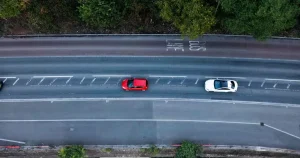
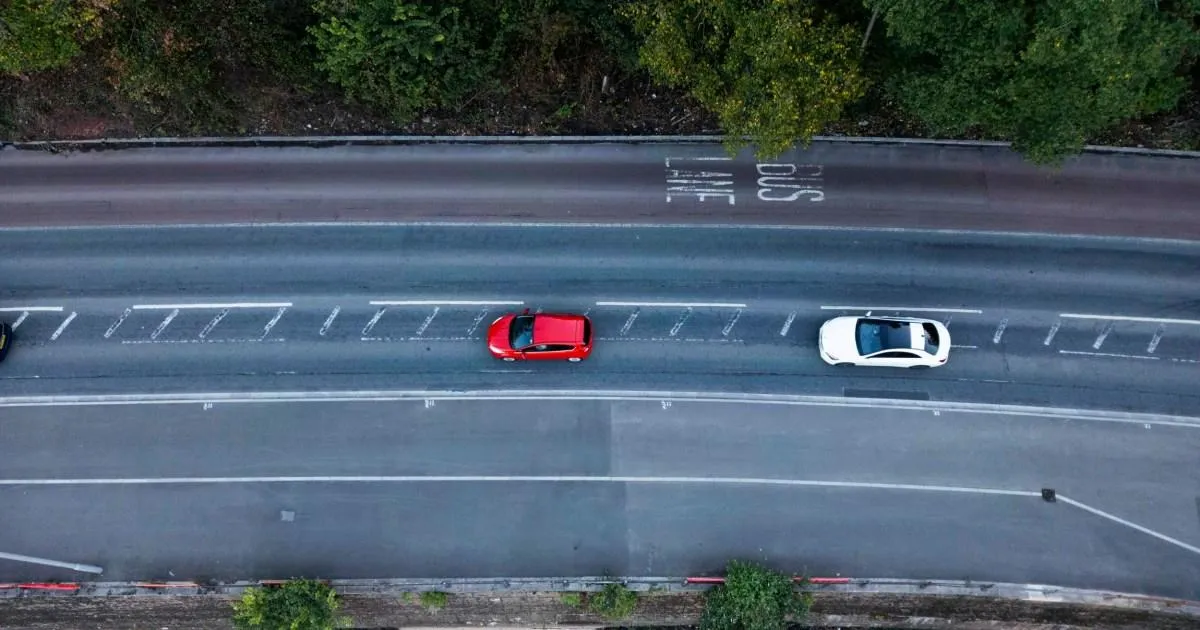
If you drive or cycle along the Portway today, it doesn’t take long to see that big changes are underway. The current project, which is being funded largely through government money distributed by the West of England Combined Authority, is a sweeping and ambitious programme of works designed to fundamentally reshape how the route works for everyone. This isn’t just a bit of filling in potholes or restriping faded lines in the middle of the night. The plans include dedicated 24-hour bus lanes that will give public transport priority at every hour of the day, reduced speed limits aimed at improving safety for everyone who shares the space, significant improvements to the awkward junctions that have always made the route feel more like a racetrack than a street, a full resurfacing of the carriageway itself, and better shared paths for pedestrians and cyclists who want to make their way through one of the most breathtaking natural settings in the whole of the West Country. For people who queued in traffic on the old crumbling surfaces, all this sounds encouraging; for others, it’s just another source of frustration, with temporary traffic lights and cones dominating the road and making journey times feel even worse. The sheer scale of the work is impossible to miss, with workers in hi-vis jackets, towering diggers, and deep stretches of fresh tarmac coming and going against the backdrop of the gorge’s towering cliffs. The hope is that when it’s all finished, the Portway won’t just be a scenic shortcut that leads you to a roundabout — it will be a genuine, integrated transport corridor where buses glide past stationary cars, where people feel safe walking or cycling, and where the dramatic drive along the river is no longer spoiled by exhaust fumes and snarled-up traffic.
The line about the “world’s most expensive bus lane” didn’t come from a headline writer; it came from a Bristol city councillor named Jonathan Hucker, a Conservative voice in the local chamber who clearly has a taste for understated wit. At a meeting of the council’s audit committee, as members were poring over spreadsheets and budgets and trying to make sense of how so many millions were being spent, Hucker pointed out that the Portway already held one remarkable record from its opening day. Then he added, with a dry sense of irony that must have made the committee room feel a little warmer: “When it was the world’s most expensive road then, I suspect it will have the world’s most expensive bus lanes when the project is finished.” His remark was reported almost as an aside, but it perfectly captured the way that infrastructure projects can grow and swallow money in ways that seem almost absurd. The numbers speak for themselves. A report to Bristol City Council’s audit committee listed the Portway as the ninth largest project in the authority’s entire portfolio in terms of money set aside. And in February, councillors on the transport and connectivity committee voted to increase the scheme’s budget by £1.35 million, taking the total from £21.7 million to £23.1 million, blaming rising costs and the usual unexpected complications that hit any major public works project. That extra £1.35 million alone is more than most people will earn in a lifetime, and it bought nothing more glamorous than the unpleasant discovery that things always cost more than you think they will. But for Hucker, the real point wasn’t just about the money; it was about the peculiar, unintended humour of history. A road that was once the most expensive in the world was now spending another fortune to become, effectively, a bus lane with nice views.
The politics around the Portway have always been a bit tense, and this current project has turned into something far bigger than simply an argument about carriageway widths and junction layouts. Bristol Conservatives have repeatedly blasted the scheme as an “appalling waste of public money,” arguing that it will make life harder for drivers, slow down deliveries, and make it awkward for emergency vehicles to get through. They see it as an ideological attack on the motorist, a grand experiment in re-education rather than simply a piece of routine maintenance. On the other side, when Labour ran the council, they backed the changes as a bold and necessary step toward cleaner air and better public transport; since then, the Green-led administration has enthusiastically embraced the project and pushed it forward with the kind of ringing commitment that makes it clear they see it as central to their vision for Bristol. In pubs, on local Facebook groups, and around dinner tables, ordinary people argue about it with the kind of passion usually reserved for football or whether the city should ban traffic from the harbourside. The Portway, a road that many people pass without a second thought, has somehow become a battleground for competing visions of what Bristol should look like in the decades to come. Is a car a vital way of getting around, or an expensive, polluting relic? Is public investment in bus routes a generous public good, or a waste that fights against human nature? It’s all there, pressed into the narrow strip of tarmac winding beneath those ancient cliffs, and the fact that it used to be the most expensive road in history just makes the argument feel even more loaded.
Perhaps the most human way to understand the story is to think about how much the world has changed since the Portway first opened. Back in 1926, a road that sliced through the gorge seemed like a dream of the future — a smooth, fast connection for the latest motorcars, which were still a thrilling novelty to many people. It was built at enormous cost because it was seen as necessary progress, a physical manifestation of the belief that the car would set us free. In the middle of the Depression-era struggles and the long, tired recovery after the First World War, it must have felt extraordinary to see the road cut into the rock and the first vehicles drive through with their brass radiators gleaming. Now, almost a hundred years later, the way we think about transport has come full circle. The future isn’t simply about making roads wider or faster; it’s about moving as many people as possible in the most efficient way, about giving pedestrians and cyclists somewhere safe to walk, and about cutting the exhaust fumes that make the gorge’s beauty harder to appreciate. The fact that the Portway is being fitted with bus lanes is almost a kind of historical slapstick: the most expensive road in the world, built to celebrate the motorcar, now spending £23 million to encourage people to get out of their cars and onto vehicles that are cheaper, cleaner, and more civilised. You can almost imagine an elderly resident who remembers the old days, strolling along the new shared path with a cup of tea, watching a double-decker bus glide past a line of stationary traffic, and smiling at the sheer strangeness of it all.
When the project is finally complete, the Portway will still be one of the most beautiful roads in Britain, with the river glittering below, the great bridge arching above, and the limestone cliffs towering over everything like ancient silent guardians. It may also, as Councillor Hucker suggests, have won itself a new title: the world’s most expensive bus lane. For some, that will be a mockery of public spending, a reason to shake their heads at the foolishness of politicians who pour millions into a single stretch of road. For others, it will be a justifiable price to pay for creating a genuinely better, safer, more inclusive travel route through a landscape that deserves better than being treated as a mere rat run. But no matter which side you fall on, there’s something deeply human about the whole story — the pride of building something great, the inevitable inflation of budgets, the bickering about priorities, and the slow realisation that the road you thought was permanent is just another piece of infrastructure that can be altered to fit the needs of a changing world. The Portway was a wonder when it opened in 1926, a road worthy of headlines and gasps. Now it might become a wonder of a different kind, a reminder that our definitions of progress never stop moving. Perhaps, in the end, that’s the real story. A road that once said “cars are the future” is now saying “buses, bikes, and shared journeys are the future.” And if that costs £23 million, well, that’s still a small price to pay for the chance to watch history gently, ironically, repeat itself.