


It was a Tuesday morning like any other on Green Lanes, the kind of bustling north London street where the day begins with the clatter of shop shutters, the smell of fresh bread from the bakeries, and the steady stream of parents pushing prams and pensioners doing their weekly shopping. The area, a vibrant and densely packed corridor running through Harringey and Haringey, is known for its grocers, barbers, cafes, and the constant hum of city life. But just after eleven o’clock, that ordinary rhythm was violently shattered when two gunshots rang out, sending shoppers and families diving for cover in a scene more reminiscent of a war zone than a residential high street. The sound, described by one witness as like a “high-performance exhaust thud,” was in fact a pistol being fired at close range in broad daylight, and the panic that followed was immediate, raw, and terrifying. What unfolded was not some distant gangland drama, but a brazen, daylight assassination attempt that very nearly claimed the lives of innocent bystanders, leaving a community reeling in shock and asking how such a thing could happen in the middle of their daily routines.
The sequence of events that morning was as chaotic as it was frightening. According to eyewitnesses, a man allegedly armed with a machete was involved in a heated confrontation with another man, a rivalry that had clearly escalated in the moments before the shooting. The machete-wielding man reportedly taunted his adversary, a provocation that proved fatal when the other man, rather than backing down, produced a pistol and took aim. Two shots were fired in quick succession. The first bullet slammed into a metal door, punching a clean, deep hole straight through the material—evidence of the high-velocity round’s destructive power. The second bullet is believed to have struck a passing car carrying four people, miraculously missing every one of the occupants by what can only be described as a matter of inches or mere luck. The shooter’s aim was careless, panicked, or perhaps simply desperate, because in that crowded, busy environment, the chances of a stray bullet finding a human body were terrifyingly high. The fact that no one was killed, or even physically injured, is nothing short of a miracle, a small mercy that did nothing to lessen the sheer terror of the moment.
The testimony of a pensioner who lives on nearby Pemberton Road paints a vivid picture of the horror that unfolded. He described seeing the gunman, his face uncovered, pull out the pistol and fire at his target about twenty yards away. “Neither had their faces covered,” he said, “and there had obviously been an argument before.” The openness of the attack was part of what made it so deeply disturbing; this was not a hidden, shadowy deed, but an act of violence carried out in full view of a busy street, with no attempt at concealment. The pensioner, who has lived in the area for years, recalled the pandemonium that followed: “Everyone was running in for cover, running for their lives because you could see the gun.” He noted the sheer absurdity of the timing, the way the morning’s banality was ripped apart by the sound of gunfire. A second witness corroborated the account, describing two loud bangs in rapid succession, followed by a stampede of panicked people fleeing the scene. The emotional toll was immediate; one woman, overwhelmed by the shock, collapsed on the pavement and had to be helped by strangers who, despite their own fear, rushed to her aid. The pensioner’s words echo with a chilling clarity: “An innocent person could easily have been killed. My great-grandchildren could have been playing outside and been hit by a stray bullet; it’s like the Wild West here.”
The irony is that Green Lanes is not a no-man’s-land of dereliction and crime, but a thriving, beloved community hub. The street is lined with Turkish grocers selling fresh olives and cheese, barbershops where the local banter flows as freely as the clippers, family-run cafes serving up hearty breakfasts, and a diverse mix of shops that cater to the many nationalities that call this part of north London home. It is the kind of place where people know their local shopkeepers by name, where children walk to school, and where the community is tight-knit and resilient. Yet this is not the first time the area has been touched by such violence. Five years ago, 22-year-old Sharmake Mahamud was shot dead on the same stretch of Green Lanes in what was described as a “tit for tat” gang revenge killing, a crime for which five men were subsequently jailed for life. That history hangs heavy over the street, a reminder that beneath the surface of everyday life, there are undercurrents of violence that can erupt without warning. For the residents who remember that previous tragedy, Tuesday’s shooting feels like a sickening echo of the past, a reopening of old wounds and a fresh reminder that the threat of retaliation or further bloodshed is never truly far away.
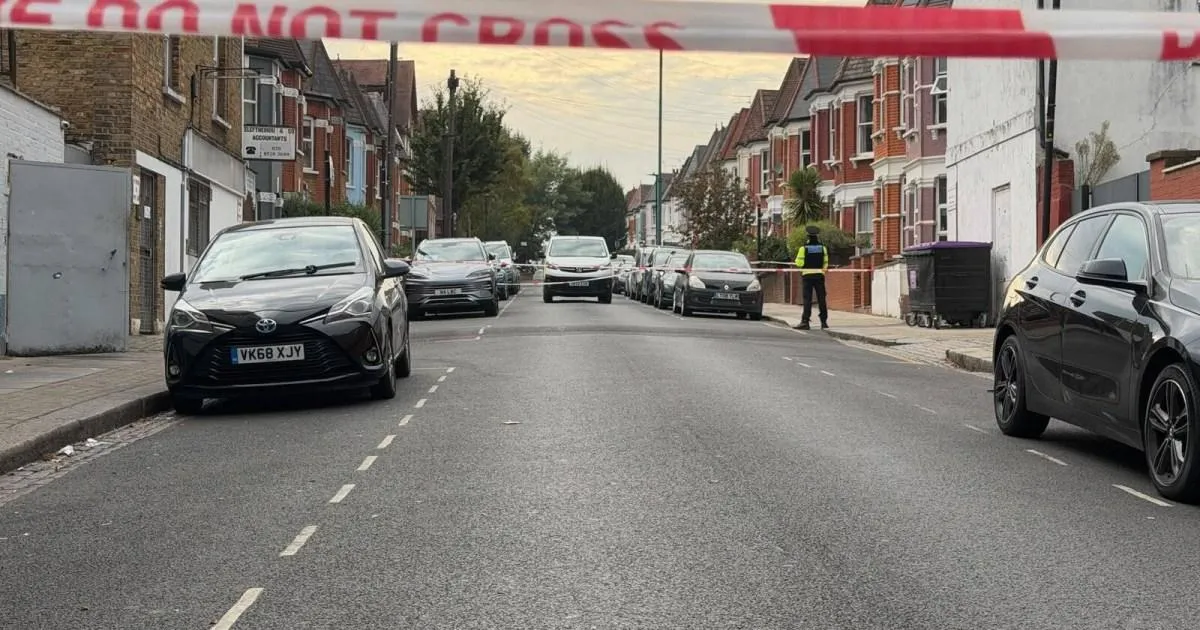
In the immediate aftermath, the response was swift and visible. Armed police officers scrambled to the scene, sealing off the area and creating a crime scene that would remain in place for hours. Forensics teams in white suits could be seen scouring the pavement, carefully collecting bullet casings and examining the damage to doors and vehicles. The road was closed, causing significant travel disruption, and a visible police presence was deployed to reassure a shaken public. A Metropolitan Police spokesperson confirmed that they were responding to reports of gunshots at approximately 11:00 hrs on Tuesday, 29 September, but stressed that at that time, no victim or suspect had yet been identified. “A crime scene is in place while initial enquiries are conducted,” they said, adding that residents should expect an increase in police presence and may face travel disruption. Detectives immediately began trawling through hours of CCTV footage from nearby businesses and residential properties, hoping to piece together the exact sequence of events and identify the individuals involved. They issued an urgent appeal for information, specifically asking anyone with doorbell or dashcam footage from the area around the time of the shooting to come forward. The message was clear: the police were treating this incident with the utmost seriousness, and they were determined to bring those responsible to justice.
But for all the police work and the official statements, the true impact of the incident lies in the emotional aftermath, the lingering sense of vulnerability that now hangs over Green Lanes. The pensioner’s comparison to the “Wild West” is a powerful one, capturing the feeling of a community that has been forced to confront its own fragility. How does a street absorb an event like this and continue to function? The shops will reopen, the cafes will fill up again, and the morning commute will resume, but the memory of those two gunshots will linger. Parents will think twice before letting their children play outside, and the elderly will feel a little less safe walking to the shops. The fear is not just about the immediate danger, but about what it means for the community’s sense of place and belonging. And yet, even in the face of such violence, there is a sense of resilience, a determination not to let fear win. The witnesses who helped the woman who collapsed, the shopkeepers who opened their doors to those fleeing the danger, the neighbours who came together in the aftermath to check on each other—these are the acts of a community that refuses to be broken. The shooting on Green Lanes was a shocking act of violence, but it was also a stark reminder of how precious and fragile everyday life is, and how a single moment can change everything. The area is on edge, but it is not defeated, and as the investigation continues, the people of Green Lanes are left to wonder what the future holds for their community, hoping that this time, the “Wild West” comment will be a relic of the past, not a forecast of what is yet to come.