
Here’s a humanized, expanded summary of the Greggs factory closure news, written in six paragraphs.
—
It’s the kind of news that lands with a thud in kitchens and living rooms across the UK: Greggs, the beloved high-street bakery known for its sausage rolls and steak bakes, has announced plans to close four of its manufacturing sites. That decision, if confirmed, would mean the loss of around 740 jobs. For the people who work in those factories, many of whom have likely spent years mixing dough, baking pastries, and packing goods for the nation’s favorite bakery, this is far more than a corporate headline. It’s a disruption to their livelihoods, their routines, and their communities. The company was careful to offer a small crumb of comfort: none of the 2,796 retail shops will be affected. So customers can still walk into their local Greggs and grab their usual order. But behind the counter, and behind the scenes, the company is making a major shift in how it produces its food — and that shift comes with real human consequences. The closures are expected to be staggered over the next two and a half years, meaning there is time for consultation, reflection, and perhaps some rethinking, but the shadow of uncertainty now hangs over the workers at the affected sites.
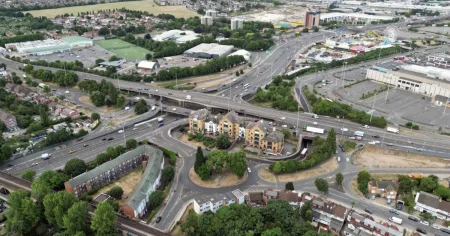
So, which sites are on the line? The proposal identifies four factories earmarked for potential closure: Enfield in Greater London, North Lakes near Penrith in Cumbria, Pettigrews in Kelso in the Scottish Borders, and Seaham in County Durham. Each of these locations has its own story, its own workforce, and its own role in the Greggs supply chain. For Enfield, there’s a slight silver lining — while manufacturing could end there, the site would continue to operate as a distribution base, so some jobs may be retained, though likely not all. The Treforest site in Wales would also see manufacturing impacted, but it too would continue to distribute baked goods, which offers a glimmer of hope for its team. Other locations are not being shut down, but they are being reshaped. The Clydesmill factory in Glasgow and the Manchester factory will have their product ranges reduced, meaning fewer items made and potentially fewer shifts. The Gosforth site will no longer manufacture tinned bread, a specific but notable change. Despite the scale of these proposals, Greggs has stressed that no final decisions have been made. The company is entering a consultation period with affected workers and unions, which is a legal and moral opportunity for voices to be heard, alternatives to be considered, and perhaps for some of the worst impacts to be softened.
Why is Greggs doing this? The company says it wants to consolidate its manufacturing operations and make its production network more efficient. In plain terms, that means doing more with fewer, larger, or more specialized sites, and sourcing a small number of products from external specialist suppliers rather than making everything in-house. This is a classic business strategy, especially in the food industry, where margins can be thin and competition is fierce. But it doesn’t make the human cost any easier to bear. The restructuring is projected to cost Greggs around £60 million, which includes redundancy payments, so the company is not pretending this is free. However, the plan is expected to save roughly £20 million in the 2028-29 financial years, and that long-term financial benefit is clearly a major driver. Chief executive Roisin Currie framed the decision as necessary for the future. She said, “To continue building a successful business for the future, we must keep evolving alongside changing customer expectations.” She added that the plans would ensure Greggs “remains a strong, sustainable business for decades to come.” Those are the kinds of words that sound reassuring in a press release, but they ring hollow for a worker being told their factory may close.
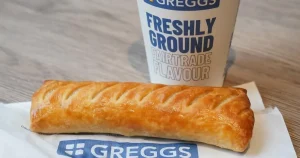
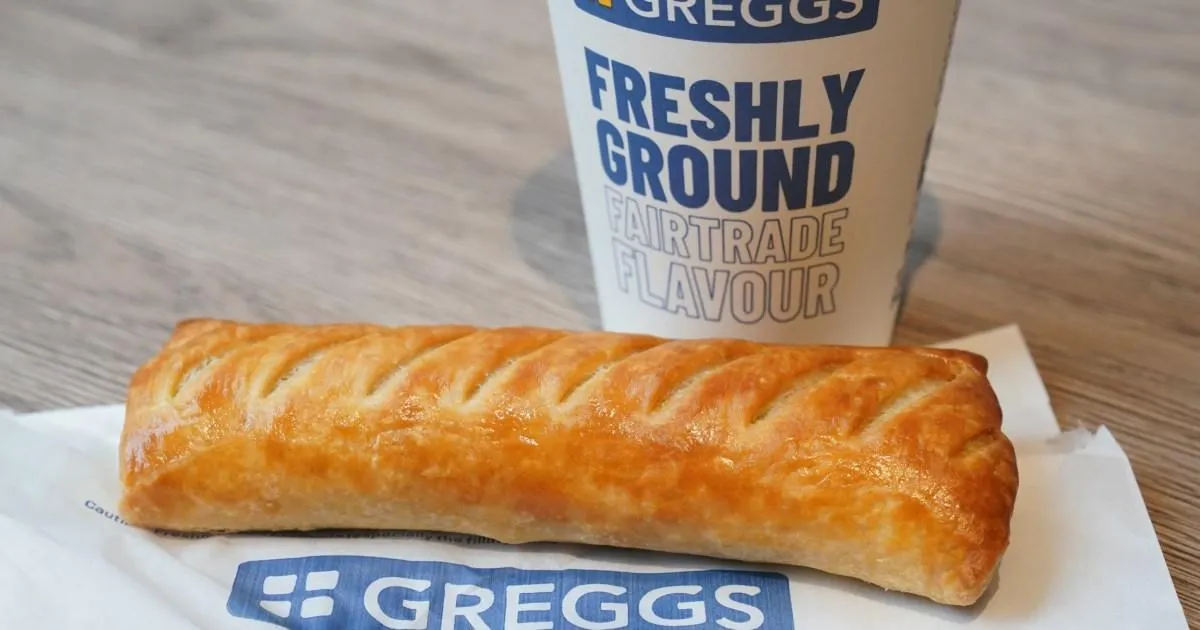
The news is especially striking because Greggs has been enjoying something of a golden era in recent years. The chain has become a cultural icon, a staple of British high streets, motorway services, and town centres. It boasts nearly 2,800 shops across the UK, and its sales continue to grow. In the three months to September 26, retail sales rose by 7.7% compared to the same period the year before. The company attributed some of that success to new product launches and to more settled weather in August and September, following a summer of record-breaking heatwaves. And let’s not forget the sausage roll. Last year alone, Greggs sold an estimated 300 million of those flaky, golden, meaty treats. That’s roughly four and a half sausage rolls for every person in the country. The sausage roll is not just a product; it’s a national institution, a comfort food, and a symbol of Greggs’ ability to connect with ordinary people. The fact that a company so successful, so embedded in everyday life, still feels the need to cut jobs and close factories shows just how challenging the food industry has become. Rising costs, changing consumer habits, and the pressure to keep prices low all weigh heavily on even the most beloved brands.
Behind the corporate statements and financial projections, there are real people. The workers at Enfield, Penrith, Kelso, and Seaham are not just cogs in a machine; they are bakers, machine operators, quality inspectors, packers, and cleaners. Many have likely worked for Greggs for years, perhaps decades. They may have started in their twenties and now be in their fifties, with mortgages, children, and dreams of retirement. A factory closure is not just a lost paycheck; it’s a lost community. Factory floors have their own culture, their own friendships, their own rhythms. When a plant shuts down, the ripple effects spread far beyond the gates. Local suppliers lose business. Nearby cafes and shops lose customers. Families may have to move or split up to find work. The mental toll of uncertainty is immense. That’s why the consultation process matters so much. It’s not just a box to tick; it’s a chance for workers to ask questions, to challenge assumptions, and to seek reassurance. Unions will play a crucial role in representing the affected employees and pushing for the best possible severance packages, retraining opportunities, and support. Greggs has a reputation as a decent employer, and it will need to live up to that reputation now, not with words but with actions.
Looking ahead, the question is what this means for Greggs and for the people who love its food. For customers, the good news is that the bakery shops will keep serving. You will still be able to get your morning sausage roll, your lunchtime chicken bake, or your afternoon sweet treat. The product range may shift slightly, and some items might come from different suppliers, but the Greggs experience is expected to remain largely the same. For the company, this restructuring is about building a leaner, more resilient business that can survive and thrive for decades to come. The bakery market is changing, with more competition, more pressure on prices, and more demand for innovation and sustainability. Greggs wants to be ready for that future, even if it means making painful choices in the present. But the true measure of the company will be how it treats the people it leaves behind. A business that cares about its brand, its customers, and its workers will do everything it can to support those who lose their jobs, offering redeployment where possible, generous redundancy where not, and genuine respect throughout the process. Greggs has built its name on being a part of the community, a place where everyone is welcome and everyone can afford a treat. Now, it faces a test of whether that values-driven identity extends to its own people. The next two and a half years will show whether Greggs can evolve without losing its soul, and whether a business so deeply woven into the fabric of British life can navigate the future while still holding onto the warmth and humanity that made it so beloved in the first place.