


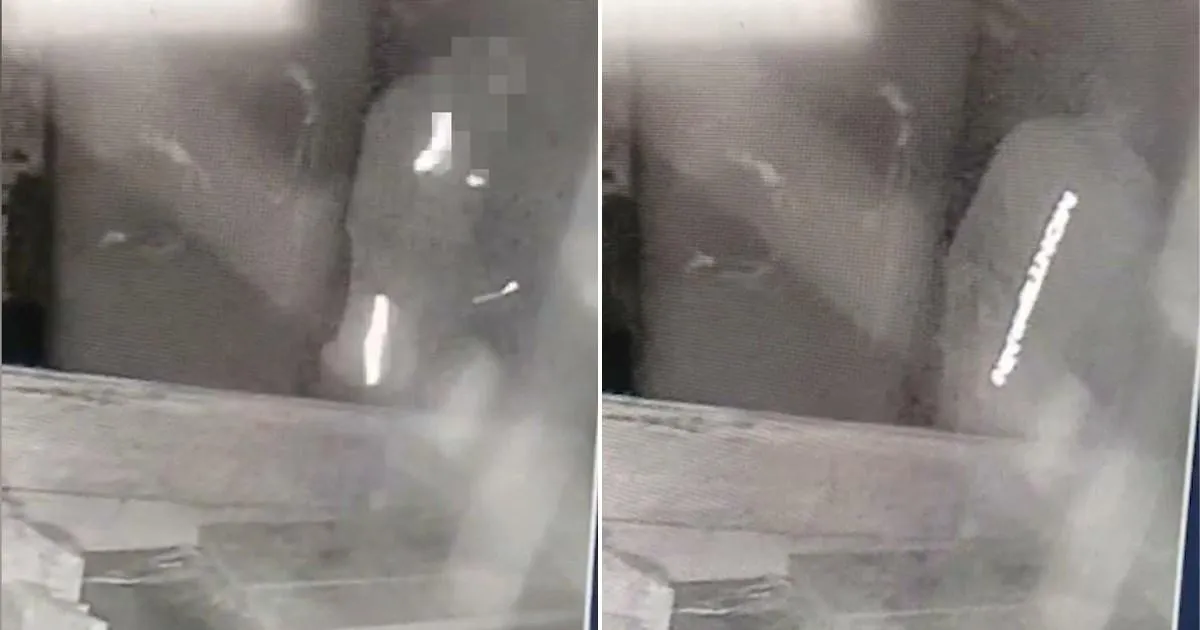
In a quiet Carlisle neighbourhood, a shocking act of cruelty unfolded that would leave a pet owner terrified and a community reeling. Axel Shane Read, a 24-year-old roofer, was jailed after stealing two beloved rescue ferrets, Pumpkin and Latte, from their enclosure in Laice Cleough’s back garden on July 31, 2024. The two animals were not just pets; they were rescue animals, creatures who had already been given a second chance at life. CCTV captured the entire theft, showing two men near the cage at around 6:30pm. One of them, the accomplice, shone a light into the enclosure to locate the frightened animals while Read, who was 22 at the time, opened the cage door, reached inside, and pulled the ferrets out. For anyone watching the footage, the deliberate nature of the act is unmistakable. This was not a spontaneous mistake or a moment of bad judgment; it was a calculated decision to take living, breathing creatures from a place where they were safe and loved.
What happened after the theft made the betrayal even harder to process. The bodies of Pumpkin and Latte were later discovered, one under a hedge and another inside a black bin. Laice, heartbroken and searching for answers, posted an update on Facebook describing how she found them with bite marks on their bodies and trauma to their heads. She suspected they had been used as bait, a suspicion that would later be supported by video evidence shown in court. That video, which was played for the judge, showed Read holding one of the ferrets and trying to encourage one of his dogs to “have a go” at it. It was the kind of evidence that is difficult to watch and even harder to forget. The animals did not die quickly in some accidental, painless way. They died in fear, in pain, and in the presence of someone who saw their suffering as entertainment.
During sentencing at Carlisle Crown Court, His Honour Judge Fanning did not hold back. He spoke about how ferrets release an odour when they are under stress, and how Read had been heard complaining that one of the dead animals “stinks” as he tried to dispose of it. For the judge, that detail was deeply telling. It meant the animals’ terror was not only visible but literally detectable, a chemical signal of their final moments. Judge Fanning said, “I know that both of these animals died in fear. I raise that this was an act of execution and an act of sadism.” Those words carried weight because they moved beyond legal jargon and spoke to the raw truth of what happened. The judge also noted that Read may have been with a group of young men and may have been “nudged on” to commit the act, perhaps by peer pressure or the need to look tough. But that explanation did not excuse the cruelty. What made it worse was the way Read seemed to celebrate the deaths. He was seen telling his dog he was a “good boy” after the animal killed one of the ferrets. The court heard that Read’s dogs had been trained to kill by putting pressure on the neck, which meant this was not an isolated incident of sudden violence. It was planned. It was practiced. And it was celebrated.
The judge ultimately sentenced Read to 15 months in prison, but the decision to send him away was about more than just this one case. Judge Fanning explained that he declined to suspend the sentence because if Read walked free, “other young lads may think it is acceptable to do something similar.” That message matters. Animal cruelty cases often go unnoticed or are treated as minor offences, but this one was different. The court saw the full picture: two innocent animals stolen from a sanctuary, killed in a brutal way, and then discarded like rubbish. The legal system responded with the seriousness the crime deserved. Read had already been found guilty by a jury on September 11 of charges including causing unnecessary suffering to a protected animal, causing a ferret to be destroyed by a dog, and causing a ferret to be taken from its protected enclosure, resulting in its death. The trial exposed the full extent of his actions, but for Laice, no verdict could undo the loss.
The emotional toll on Laice was profound. She had not only lost two animals; she had lost her sense of safety. The court heard that she kept Pumpkin and Latte among 25 other ferrets in her garden and also homed other animals, making her house a kind of refuge for creatures in need. After the theft, she called the police and then approached Read’s house, still hoping the animals were alive. Instead, she was met with cruelty of a different kind. An argument broke out, and Read told her, “I don’t have your stinky ferrets. If I had taken your ferrets, I would have skinned them and left them outside your front door.” He also threatened to destroy her car and her home. Those words were meant to intimidate, and they did. In a victim impact statement read to the court, Laice said the incident left her paranoid and scared to live in her own home. She had opened her life to animals that no one else wanted, and in return, she was subjected to threats, loss, and trauma.
In the end, the sentence handed to Axel Shane Read cannot bring back Pumpkin and Latte. It cannot erase the image of their bodies being discovered or the memory of their final terrified moments. But it does send a clear message: cruelty to animals will not be tolerated. Read was also ordered to pay a victim surcharge, a small financial penalty compared to the weight of what he took. For Laice, the pain of losing her two beloved ferrets will not fade easily. But perhaps there is some comfort in knowing that the court saw them not as “just ferrets” but as the innocent, defenceless creatures they were. They had names. They had a home. And they deserved better. This case is a reminder that how we treat animals often says more about us than we realise. And in the eyes of the law, at least, there is no room for sadism dressed up as entertainment.