


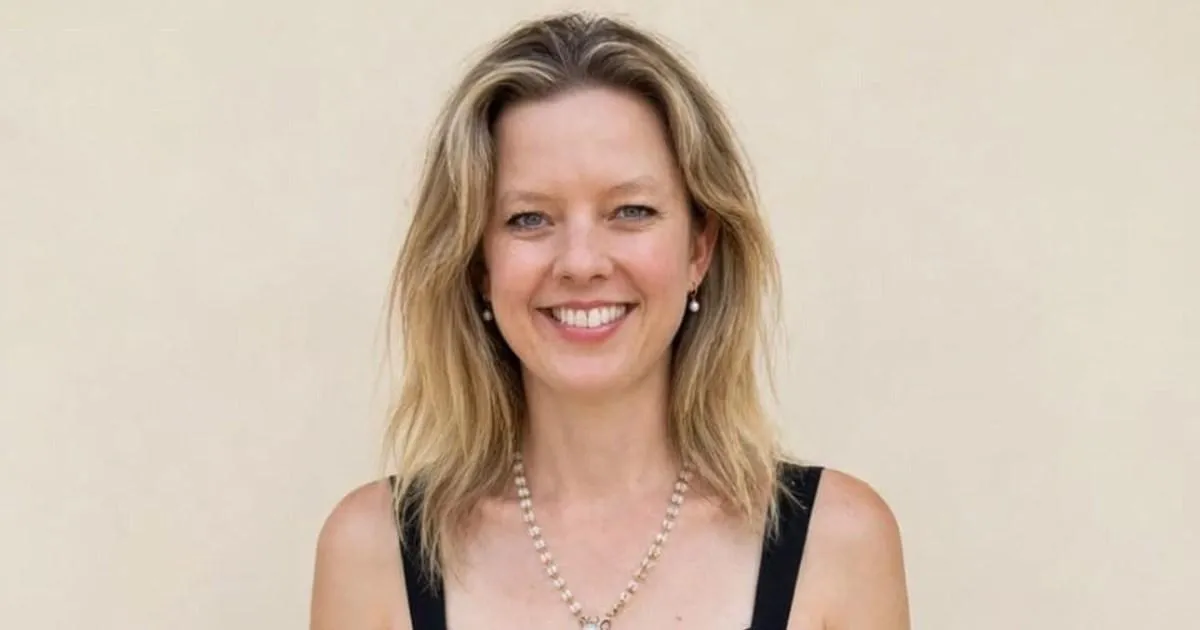
The death of Dr Hannah Terry—known to her patients and colleagues as a caring physician, and to her loved ones as Hannah Cain—has left a small Norfolk community in mourning and raised painful questions that will now be examined in a courtroom. The 45-year-old GP was found dead at her home near the Sandringham Estate in the early hours of October 4, after emergency services were called to a house in the village of Dersingham. Paramedics arrived to find her in an upstairs bedroom, not breathing and not conscious. Despite their efforts, she could not be revived. Her husband, Mark Cain, 45, was arrested in connection with her death and has since been charged with murder. The tragedy was made even more heartbreaking by the fact that children were present in the house at the time, reportedly as part of a sleepover. What should have been a night of laughter, whispered secrets and sleepy warmth became a scene of sirens, flashing lights and unspeakable loss. In the days since, the name Dr Hannah Terry has appeared in headlines around the country, but for those who knew her, she was not simply a newspaper story. She was a doctor who had built her life around caring for other people, a member of a close-knit medical practice, and a woman whose professional calm and warmth had touched countless lives. The fact that her life ended in such violence, in her own home, while children were nearby, has made the shock all the more profound.
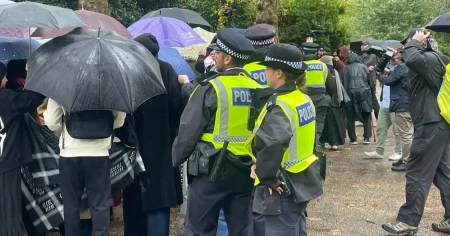
Mark Cain appeared before Norwich Magistrates’ Court on Wednesday, a bald-headed man with a grey beard, dressed in a black sweater. He spoke only to confirm his name, address and date of birth, and was not asked to enter a plea. The hearing was brief but devastating in its detail. Prosecutor Jackie Hanlon told the court that the ambulance service had contacted police at 2.25am on October 4. Dr Terry was found in an upstairs bedroom, not breathing and not conscious. She was attended to by paramedics, but nothing could be done to save her. A post-mortem examination later found that she had suffered blunt force injury to the right side of her head, as well as an injury that could be suggestive of compression of the neck. The prosecutor also told the court that there were children present in the property at the time. District Judge Matthew Bone listened carefully, his face grave, before announcing that the case would be sent to King’s Lynn Crown Court, where Cain would appear the following morning. He remanded the defendant in custody. There was no visible reaction from Cain as the decision was read out, no words of explanation or remorse. The courtroom, filled with the quiet weight of grief, offered no answers. Outside, the world continued to turn, but for everyone connected to Dr Terry, time seemed to stop at the moment that phone call was made in the early hours of that October morning.
For those who had been treated by Dr Terry, the news felt almost impossible to believe. She was a qualified doctor for more than 15 years and had worked as a GP for eight years, most recently as a member of the practice team at Grimston Medical Centre. It was a role that placed her at the heart of the community, caring for families from all walks of life in the rural area surrounding Sandringham. But her work did not stop at the surgery doors. She also ran a business called Norfolk Sky Aesthetics, where she combined her medical expertise with a passion for helping people feel confident in their own skin. On her business website, she described herself as a “caring and professional doctor,” and she continued her work as an NHS GP alongside her cosmetics practice. That dual commitment—balancing the demands of general practice with the more personal world of aesthetic medicine—spoke to her energy, her interests, and her desire to connect with people. Yet there was one detail that drew particular attention after her death: she was part of a pool of doctors who were regularly on call for members of the royal family at Sandringham, one of the King’s official residences. According to reports first published by The Sun, King Charles and Queen Camilla had been informed of her death and were said to be aware of the tragedy. The fact that a doctor who had served so close to the crown should die in such circumstances only deepened the sense of shock.
The location itself only made the tragedy harder to comprehend. Dersingham is the kind of place where people know their neighbours, where the pace of life is gentle, where the landscape is dominated by fields, woodland and the stately presence of the Sandringham Estate. The Fern Hill address where Dr Terry lived is just over a mile from Sandringham House itself, a place associated with royal holidays, dog walks and quiet family traditions. It is not the sort of neighbourhood one associates with violence, with forensic teams, with a murder investigation unfolding behind the curtains of an ordinary family home. And yet that is exactly what happened. In the early hours of October 4, the peace of the village was shattered. Neighbours would later speak of their disbelief, their sadness, their inability to reconcile the woman they knew with the events that took place inside her home. The presence of children at the property added a particularly painful layer. Sleepovers are supposed to be innocent, carefree affairs—pizza, films, sleeping bags spread across the floor, the sound of suppressed giggles long after lights are turned off. Instead, those children became witnesses to something no child should ever have to witness. The emotional scars left by that night will not heal quickly, and for the children involved, and for everyone who loved Dr Terry, the road ahead will be long and uncertain.
As the legal process begins to unfold, the focus will inevitably fall on Mark Cain and on the events that led to his wife’s death. He is charged with murder and was remanded in custody, and the case will now be heard at King’s Lynn Crown Court. In the coming weeks and months, more details will likely emerge: the nature of the relationship, the events of that evening, the moments leading up to the emergency call. But for now, the legal proceedings offer no closure, only the beginning of a painful search for truth. It is important to remember that Cain, like any person accused of a crime, is presumed innocent until proven guilty. That principle is the foundation of justice. But regardless of the outcome of the trial, the loss of Dr Terry is a devastating reality. Her patients have lost a doctor who gave them her time and her care. Her colleagues have lost a teammate and a friend. Her family has lost someone irreplaceable. And the children who were in that house have lost the innocence that should have been protected. The community, too, has been left to grieve in the glare of public attention, with reporters outside the court and cameras in the village. It is a strange and difficult thing to mourn a person while the world watches, but that is the reality of a case like this.
In the end, the most human response is to remember Dr Hannah Terry for who she was, not just for the way she died. She was a woman who chose a profession built on compassion. For more than fifteen years, she worked to ease the suffering of others, to listen to their fears, to treat their illnesses, to offer comfort in moments of vulnerability. She built a second career helping people feel better about themselves, a vocation that required kindness as much as skill. She was a wife, a colleague, a doctor, a friend, and a member of a community that is now struggling to understand how such a bright life could be extinguished so suddenly. The details of that October morning will be examined in court, and the legal system will do its work. But no verdict, no sentence, no explanation will bring her back. The King and Queen have been informed of her death, a measure of how deeply this loss has reached even into royal households. But the deepest loss belongs to those who knew her personally, who sat across from her in a consultation room, who trusted her with their health and their stories, who loved her and called her family. As the village of Dersingham begins to heal, it will do so in the shadow of a tragedy that has no easy meaning. Perhaps the only way forward is to hold on to the memory of the woman herself—caring, professional, dedicated—and to hope that, in time, the children present that night will receive the support and love they need to carry them through the years ahead. May she rest in peace, and may those who loved her find strength in the life she lived.