



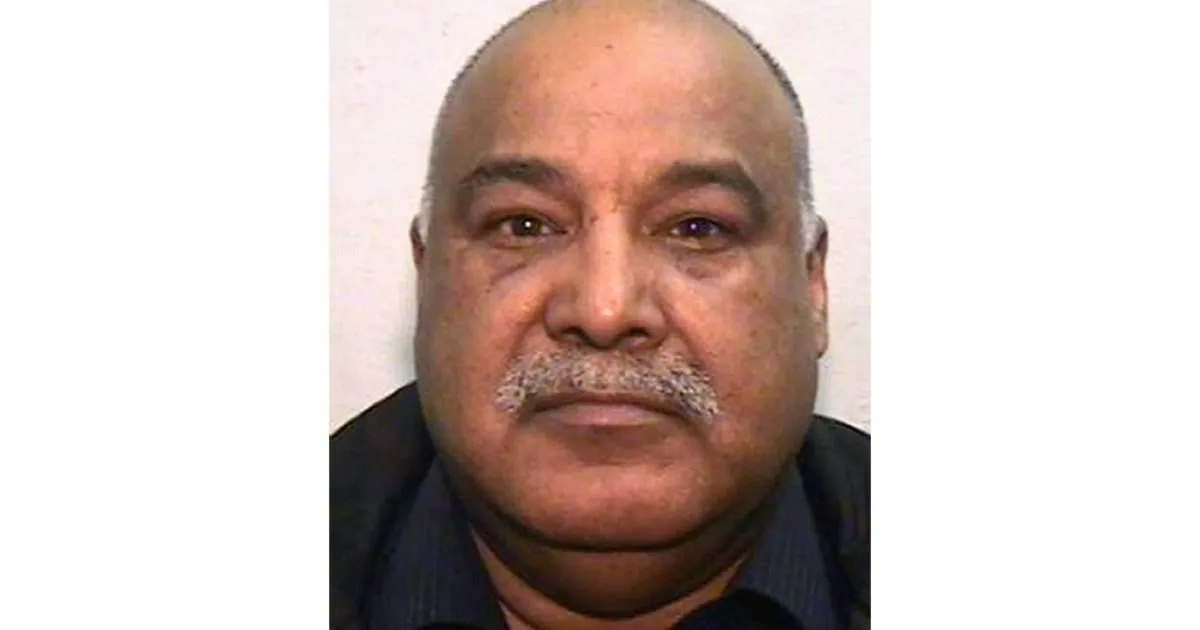
The release of Shabir Ahmed, the 73-year-old mastermind behind one of the UK’s most notorious grooming gangs, has sent shockwaves of terror through the Rochdale community. After serving 14 years for heinous sexual exploitation crimes, his return to society has left his survivors—who were mere children when he orchestrated their abuse—feeling abandoned by the very justice system that promised them protection. For Ruby, who was only 12 when her nightmare began, this development is not just a legal technicality; it is a visceral trauma that has forced her to live under constant police surveillance, fearing for her life and the lives of her children as she navigates a world where her primary tormentor is once again a free man.
In an effort to provide a semblance of safety, Greater Manchester Police have designated Ruby a “high-risk victim,” equipping her with an urgent response marker and a specialized mobile app to alert authorities the moment she feels threatened. The necessity of these measures highlights the chilling reality that Ahmed’s presence, even from a distance, acts as a psychological shackle on those he victimized. Having previously been threatened at gunpoint by associates of his gang for daring to speak to the police, Ruby’s fear is rooted in hard, lived experience. Her advocate, whistleblower Maggie Oliver, notes that in 15 years of supporting survivors, she has never seen Ruby this frightened or angry, particularly because the promises of comprehensive therapy and long-term support have largely failed to materialize.
The broader public and political outrage stems from the frustrating reality that Ahmed, despite being stripped of his British citizenship, remains in the UK due to rigid interpretations of the Immigration Act 1971. While the government claims they are exploring “diplomatic routes” with Pakistan—including potential visa and financial sanctions—to facilitate his deportation, the delay feels like a profound betrayal to survivors. High-ranking officials, including Health Secretary James Murray, have acknowledged that the situation “feels wrong,” yet for the women still living in the shadows of their trauma, these political soundbites provide little comfort while their abuser remains on domestic soil.
The suffering extends far beyond Ruby; other victims have reported being kept in the dark about Ahmed’s release until the very last moment, a failure of communication that has exacerbated their existing PTSD. This incident has cast a spotlight on the systemic inadequacies that often leave grooming gang perpetrators walking free while the victims remain trapped in a perpetual cycle of vigilance. The pattern is tragically familiar; other survivors, such as Elizabeth Harper, who faced the terror of spotting her own rapist in her neighborhood after his early parole, argue that the system consistently prioritizes the rights of offenders over the physical and emotional safety of the vulnerable.
Ultimately, the case of Shabir Ahmed is a grim indictment of a justice system that, for many survivors, feels like it has forgotten those at the “bottom of the pile.” Despite the horror of his crimes and the depth of the betrayal felt by the Rochdale survivors, Ahmed finds himself living in secure accommodation, barred only by an exclusion zone, while his victims download panic-button apps and fortify their homes. It is a stark reminder that while a prison sentence may end, the life sentence of fear often continues for those who have been exploited, especially when the institutional scaffolding meant to protect them proves flimsy against the weight of legal bureaucracy.
As the political maneuvering continues behind closed doors, one thing remains crystal clear: the restorative justice promised to these women has been obstructed. The anguish felt by Ruby and her peers is not merely a reaction to the past, but a response to a present where the state appears unable or unwilling to guarantee their security. Until meaningful reform ensures that survivors are treated with the protection and transparency they were promised, the freedom of men like Ahmed will continue to serve as a painful, ongoing trauma, leaving those who were brave enough to speak out feeling as silenced and vulnerable today as they were when the abuse first began.