



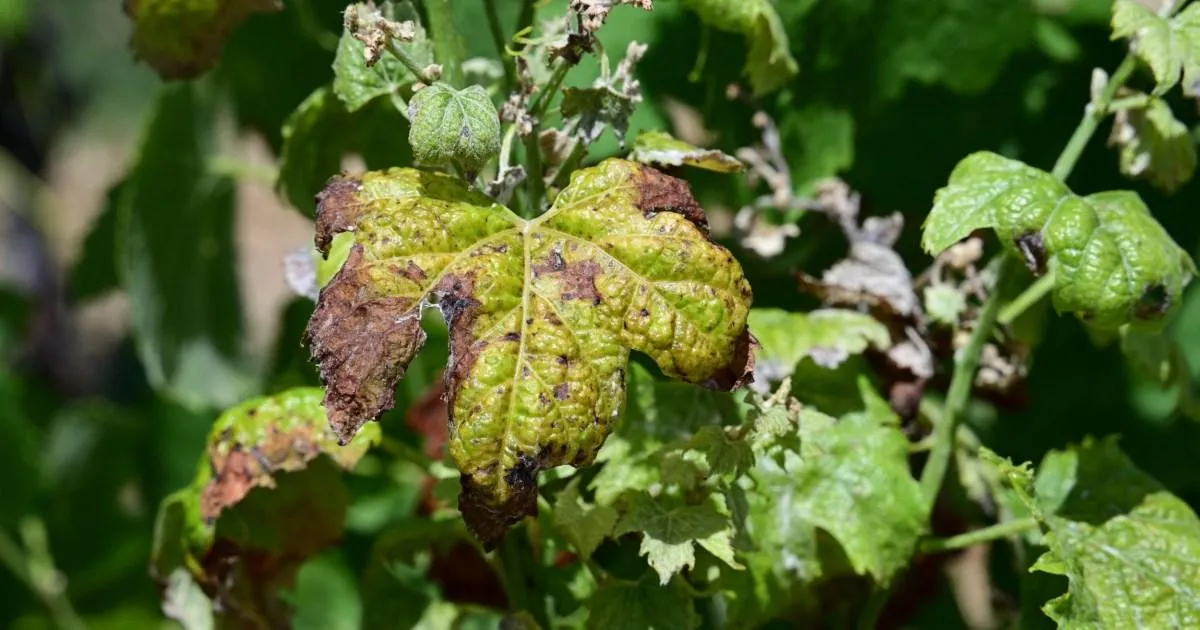
The global wine industry is currently witnessing an extraordinary shift, a climatic transformation so profound it has not been seen for centuries. For decades, France has been the undisputed titan of the viticultural world, its rolling hills and perfect temperatures cultivating grapes that define luxury. However, recent record-breaking heatwaves, with temperatures soaring toward 44°C, have turned these storied vineyards into landscapes of struggle. The extreme heat causes vines to shut down to conserve moisture, leading to withered, sun-scorched grapes that lack the delicate balance of acidity and flavor the world has come to expect from French wine. As the environment becomes increasingly hostile, the crisis is forcing growers to confront an uncertain future, punctuated by the heartbreaking reality of uprooting thousands of hectares of vines that have been the heart of their culture for generations.
While the heat is breaking hearts in France, it is ironically fueling a green revolution across the English Channel. As southern England experiences a steady, consistent warming trend, regions once considered too cool for viticulture are being transformed into prime real estate for high-quality wine production. Over the last two decades, the United Kingdom has seen a nearly 400% expansion in vineyard land, stretching from the sunny slopes of Sussex and Kent all the way up to Yorkshire. This is not merely a change in geography; it is a shift in status. British vineyards, once snubbed by continental experts, are now producing award-winning sparkling wines that frequently outperform traditional Champagnes in blind tastings, signaling that the UK is no longer just a newcomer, but a serious, high-quality contender on the world stage.
This newfound success is rooted in the “short-term window” of opportunity provided by a changing climate. Winemakers in the UK are cautiously optimistic yet pragmatic, recognizing that while the current weather patterns have favored them, the global landscape remains volatile. For pioneers like Gareth Maxwell of The Heretics Wine, the motto is to “make hay while the sun shines,” acknowledging that the current golden age of English viticulture is contingent upon conditions that may not stay stable forever. The rise of English still wines, particularly Chardonnay and sophisticated Rosés, represents a bold step forward in proving that the UK can offer more than just bubbly; it has the potential to mirror the diversity and complexity of the historic European regions it once looked toward for inspiration.
However, we must avoid the temptation to view this as a permanent or simple trade-off. Climate scientists and viticulturists warn that global warming is a double-edged sword that spares no one. While the UK currently enjoys a “Goldilocks” phase of warming, it faces future threats from the very same instability plaguing the continent: extreme rainfall that waterlogs soil, unpredictable spring frosts that kill vulnerable buds, and the introduction of new pests that thrive in hotter weather. The warming process is not a linear march toward a perfect English climate; it is an escalation of volatility. If we do not address the broader environmental factors driving these changes, the same harsh realities now threatening the French countryside will inevitably begin to shadow the nascent British industry, turning today’s bounty into tomorrow’s logistical headache.
To secure the future of wine, the industry is turning toward the philosophy of “regenerative viticulture.” This approach moves away from the aggressive farming of the past and toward a more symbiotic relationship with the land. By planting cover crops, utilizing natural compost, and minimizing the use of harsh chemicals, growers are finding ways to build soil that can retain moisture and handle the brutal, record-breaking heat spikes that are becoming the new norm. It is a shift in mindset: moving from forced production to environmental guardianship. This method aims to build natural resilience into the vines, allowing them to withstand the tremors of a changing climate rather than being broken by them. It is perhaps the only path forward for a global industry that has operated on tradition for so long, but now finds itself forced to adapt to a reality that is changing by the day.
Ultimately, the story of wine today is a poignant reflection of our changing planet. It is a tale of shifting fortunes where one nation’s distress becomes another’s opportunity, yet both are inextricably bound to the same fragile ecological web. While the prestige of French wine faces an existential test, the unexpected rise of English viticulture provides a fascinating case study in adaptation. Yet, we must remember that the world possesses seven million hectares of vineyards, and a few thousand hectares in England, while impressive, cannot replace the agricultural output of a country as vast and storied as France. As collectors and enthusiasts reach for their next bottle, they aren’t just selecting a vintage; they are participating in a narrative of survival, resilience, and the urgent necessity to protect the earth that nourishes the vine.