

The political temperature in Britain has been running high, and the recent controversy engulfing Reform UK has added a significant degree of heat. The storm began when an undercover investigation by Channel 4 News captured senior figures on film discussing the handling of a potential large donation from someone they believed to be a foreign national. In the often murky world of political financing, where perception can be as damaging as reality, this footage immediately raised serious questions about the integrity of the party’s fundraising operations. The allegations were explosive: that the party might be willing to bend or even break strict electoral laws designed to keep foreign money out of British politics. The fallout was swift, leading to suspensions and a flurry of public statements as the party scrambled to contain the damage and defend its reputation.
In response to the explosive allegations, Reform UK moved quickly to project an image of control and transparency by launching its own internal investigation. The result of this review was a detailed 27-page report, which the party has touted as a thorough and comprehensive examination of the claims. The central conclusion of this self-commissioned report is that Reform UK did not breach electoral law. It asserts that while the discussions captured on the hidden cameras were deeply problematic from a presentational standpoint, they did not cross the legal line into illegality. The report’s authors examined the specific conversations and, according to their findings, could find no evidence that a law was actually broken. This assertion forms the bedrock of the party’s defense, providing a legalistic counterpoint to the more damaging narrative painted by the media investigation, and allowing the party to claim that while it may have been careless, it was not criminal.
However, while the report offers a legal defense, it is far from a full exoneration of the individuals involved. The internal review is strikingly candid in its criticism of the actions and words of two key figures: Dan Jukes, a consultant working with the party, and James Orr, the head of policy. The report describes their language and conduct in the secretly filmed meetings as “wrong, careless, and in one instance untrue.” This admission is crucial, as it concedes that key representatives spoke in a manner that was deeply inappropriate and damaging to the party’s image. Specifically, the report criticizes Orr for suggesting that an impermissible donation could go undetected, and for making condescending remarks about the Electoral Commission, the very body responsible for overseeing political finance. Simultaneously, Jukes was held to account for describing their polling arrangements as “clandestine” and “off the books,” language that, while perhaps intended to convey discretion, painted a picture of a deliberate attempt to hide activities from public scrutiny, making a potentially lawful arrangement look highly suspicious.
Beyond this direct criticism of individuals, the report works to dismantle the specifics of the Channel 4 story. It claims that the £500,000 donation which formed the centerpiece of the undercover investigation never actually materialized. Furthermore, the report clarifies that polling data discussed with the undercover reporters was not commissioned by Reform UK itself, but was the work of Dan Jukes in his capacity as a consultant for other clients. These findings are designed to undercut the factual basis of the original news report, arguing that the undercover journalists were being fed a narrative that did not reflect reality. By tackling these two specific pieces of evidence, the party aims to pull the rug out from under its accusers, insisting that the most serious claims were either based on hypotheticals or misattributed, and that the party itself was never party to any actual wrongdoing.
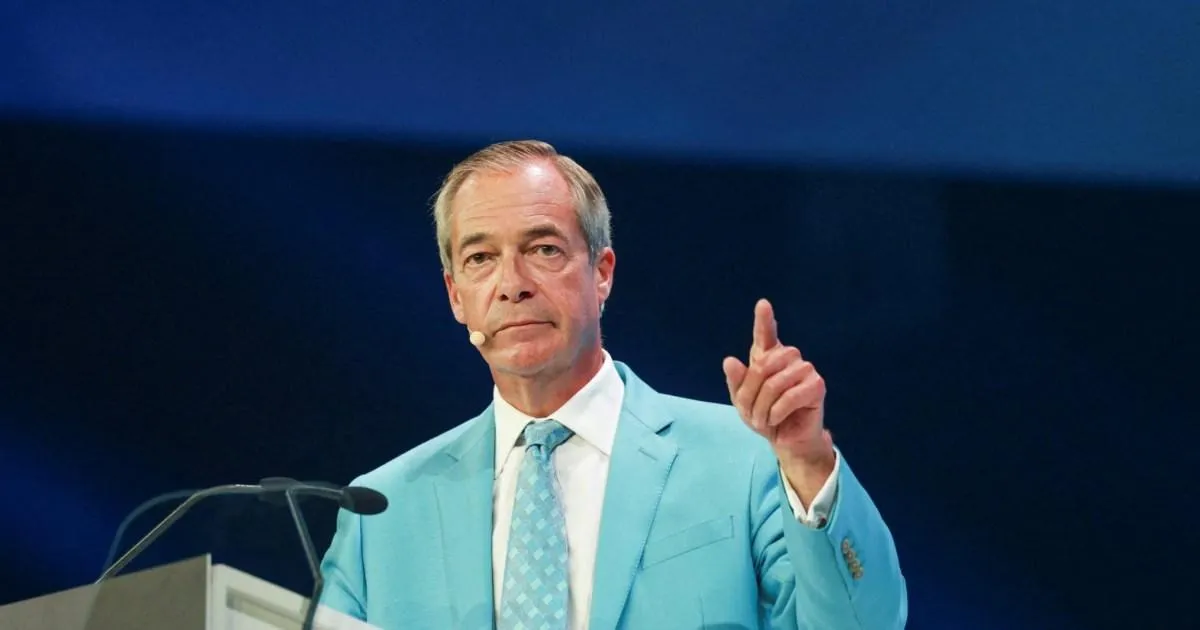
The release of the internal report has, unsurprisingly, deepened the political divide rather than closing it. Reform UK’s leadership is presenting the findings as a vindication, emphasizing that an extensive internal review has found no evidence of law-breaking and highlighting the procedural weaknesses it has exposed. The party has also gone on the offensive, with a spokesperson accusing the production company behind the undercover investigation of acting unlawfully and hinting at potential legal action. This aggressive counter-attack is a clear attempt to shift the focus onto the methods of its accusers. However, for its political opponents, the report is nothing more than a toothless exercise in self-preservation. Labour Party chairwoman Bridget Phillipson was quick to dismiss it as a “whitewash,” arguing that it fails to clear the party or its leader, Nigel Farage, of the serious ethical questions raised. The language of “whitewash” effectively frames the document as a pre-determined conclusion designed to protect the party, not to establish the truth.
Despite the party’s internal findings, the shadow of this scandal is unlikely to dissipate quickly. The investigation remains an active issue for the Metropolitan Police, who are still looking into the allegations. Their independent inquiry will carry far more weight than the party’s own review and will be the true test of whether any legal lines were crossed. For Reform UK, the damage may already be done. The report itself acknowledges weaknesses in its internal procedures and recommends tighter checks on future donations and greater transparency from its contractors. This admissions, tucked within a document meant to clear the party, underscores a broader political reality: in the court of public opinion, the image of senior figures discussing underhanded tactics is a blow that is difficult to fully recover from, regardless of what a self-published report or even a police investigation might ultimately conclude about the letter of the law.
Ultimately, this entire saga serves as a stark and cautionary tale about power, perception, and the unforgiving nature of modern politics. The story is not merely about whether a law was broken, but about trust and the standards to which political parties hold themselves. The secret filming has provided the public with a raw, unfiltered glimpse behind the curtain, revealing conversations that, at best, show a shocking naivety about political finance and, at worst, suggest a willingness to operate on the fringes of legality. For Reform UK, the consequences of this episode extend far beyond a single news cycle. It has forced the party to answer difficult questions about its internal culture, its vetting processes, and the judgment of the people in its most trusted positions. While the party fights to move forward, insisting it has learned from its mistakes, the lingering scent of impropriety captured on tape will remain a significant liability. The episode serves as a powerful reminder that in the digital age, the truth, once exposed, has a way of sticking, and the attempt to control a narrative of one’s own making is often a losing battle against the weight of perception. The true verdict on this affair will not be delivered by any single report, but by the electorate and the enduring memory of the conversation that should never have taken place.