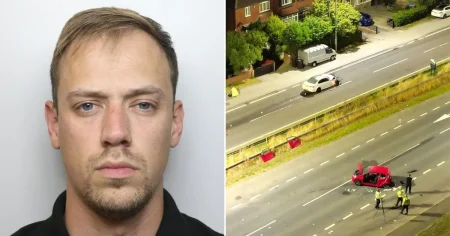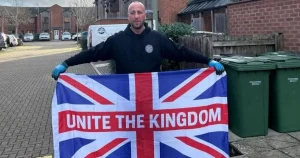



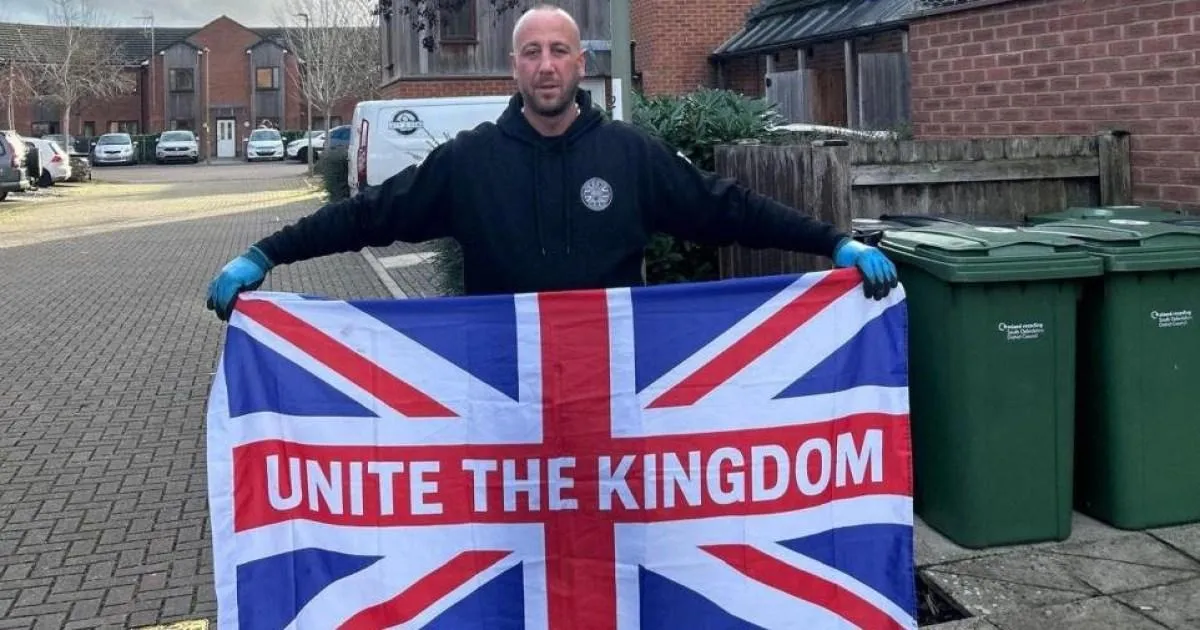
The recent legal developments involving Ben Cullen, a 45-year-old resident of Wallingford, have cast a shadow over the grassroots activist group Raise the Colours Oxfordshire. Cullen is currently facing serious criminal charges, specifically three counts related to the possession and creation of indecent images of children. According to reports from the Oxford Mail, the allegations include 22 category A images—which includes one moving image—alongside 36 category B pseudo-photographs and 20 category C images. These charges stem from an incident dated March 25, 2021. The legal distinction of “pseudo-photographs” is particularly significant here, as it refers to images generated via artificial intelligence or digital manipulation; under current law, even if the imagery does not depict a real person, the creation and possession of such files remain a grave criminal offense.
As these legal proceedings move forward, with an appearance scheduled at Reading Crown Court, the spotlight has turned toward Cullen’s role in the provocative “Raise the Colours” movement. The group, which gained national attention for their campaign of hanging flags on public infrastructure following anti-immigration protests across the UK, has moved swiftly to distance itself from the accused. In an official statement released via social media, the organization clarified that they had absolutely no prior knowledge of the allegations, emphasizing that this revelation was the first time they had been made aware of the situation. They went a step further to state that Cullen was not formally affiliated with the movement, noting that while individuals may have assisted him with flag-hanging efforts in the past, such cooperation did not equate to an official leadership role or institutional representation.
The organization’s reaction reflects a broader attempt to preserve its reputation amidst a deepening scandal. By publicly declaring that they take such allegations with the utmost gravity, the group is clearly trying to sever ties with the legal fallout surrounding Cullen. They noted that because the matter is active within the court system, it would be inappropriate for them to offer further commentary on the specifics of the investigation. This distancing strategy is understandable, yet it highlights the fragile nature of decentralized, grassroots movements where individual actions can quickly become synonymous with the collective identity of the entire group in the public eye.
Beyond the specific criminal charges against Cullen, his legal troubles intersect with an ongoing and contentious dispute between his associates and local authorities. For roughly a year, the Oxfordshire County Council has been engaged in a difficult conflict regarding the unauthorized placement of flags on lampposts and public roadsides. The situation escalated to such a degree that the Council was forced to seek and ultimately win a High Court injunction against Cullen, along with several other individuals. This legal order prohibits these individuals from placing flags on public property or harassing the council workforce tasked with the dangerous job of removing them. The friction caused by these actions has been extensive, with many local residents reporting feelings of intimidation and safety concerns during the months the flags were being installed without permits.
Councillor Tim Bearder, the leader of the county council, has been vocal about the necessity of this intervention. He emphasized that the legal battle was never a protest against national symbols, but rather a necessary step to re-establish public safety and regulatory order. The council maintains that they consistently honor national pride by flying the Union Flag and the St. George’s Cross at County Hall, affirming that their actions were strictly about curbing the specific, unlawful behavior displayed by members of the Raise the Colours campaign. For the council, the priority has always been to stop conduct that they characterize as creating a climate of fear and logistical risk on the public highway, rather than any ideological disagreement with the symbols themselves.
Ultimately, this situation serves as a stark reminder of how quickly public narratives can shift when the personal actions of prominent figures collide with the law. While the allegations against Ben Cullen remain subject to the findings of the court, the ripple effects have clearly signaled the end of his prominence within the Oxfordshire protest circles. As he prepares to face the bench, the community of Wallingford and the wider region are left to process a complex sequence of events that began with unauthorized activism and has culminated in a severe criminal trial. The case stands as a cautionary tale of how individual reputations, political movements, and local governance can become inextricably—and destructively—entangled.