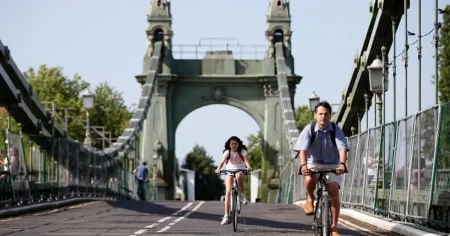


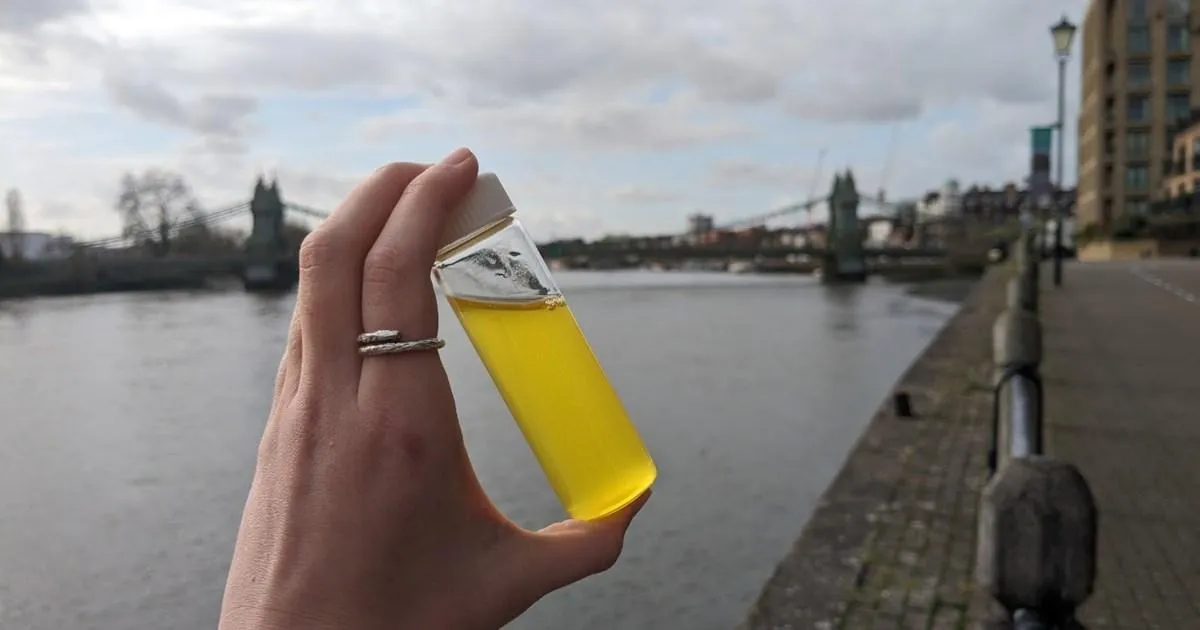
The recent revelation that E. coli levels in the River Thames have skyrocketed to 64 times the safe swimming threshold is more than just a dry data point; it is an environmental wake-up call for London. Following a significant sewage spill at Fulham Reach, the Fulham Reach Boat Club recorded an alarming 58,000 colony-forming units per 100ml of water. For context, the official classification for “poor” inland bathing water starts at just 900 units. The fact that these levels were reached during one of the hottest days in June—a time when people naturally gravitate toward the water to find relief from the scorching 36°C heat—adds a layer of tragedy to the technical failure. It highlights a dangerous disconnect between our infrastructure’s capability and the reality of a changing, increasingly unpredictable climate.
The spill is particularly disheartening because it defies the very regulations meant to protect our waterways. Legally, water companies are only authorized to release sewage into rivers during periods of heavy rainfall, a measure intended to prevent the over-pressurization of domestic sewers. However, this incident occurred during a dry spell, directly contradicting the guidelines meant to preserve the health of the river. While the section of the Thames in question isn’t technically designated as a swimming spot, the reality on the ground is far different. Every day, rowers, kayakers, and outdoor enthusiasts interact with the water, trusting that the environment is at least ostensibly managed with public health in mind. When that trust is broken by a massive influx of fecal bacteria, it puts hundreds of people at an unnecessary risk.
At the heart of the controversy is a paradoxical situation involving the Tideway Tunnel. This colossal £4.6 billion engineering project was specifically designed to be the ultimate solution to London’s sewage pollution woes. Yet, in a bitter irony, this latest spill happened amidst the very testing phases meant to demonstrate the tunnel’s efficacy. Thames Water has pointed to an “unexpectedly localized storm” as the culprit, arguing that their scheduled maintenance—otherwise planned for dry weather—was sabotaged by weather that arrived without warning. They maintain that the tunnel system managed to capture significant volumes of waste, effectively arguing that things could have been worse. However, to the community members and environmentalists watching the river, the narrative of “mitigation” feels insufficient when the raw numbers suggest a catastrophic breach of safety.
The health implications of such high E. coli levels are not to be taken lightly. E. coli, a bacteria naturally found in the intestines of humans and animals, is usually manageable in small doses. However, when concentrated at these levels, it becomes a serious pathogen. For the rowers and athletes who frequent the Thames, coming into contact with this water—perhaps through a splash or an accidental immersion—opens the door to uncomfortable and potentially dangerous symptoms. Diarrhea, stomach cramps, and fever are the common outcomes, typically lasting several days. In rarer, more severe instances, the infection can spiral into something far more dangerous, leading to potential complications like kidney failure. This isn’t just a matter of “bad water”; it is a direct threat to the physical well-being of the Londoners who use the river.
This incident has naturally sparked intense scrutiny from organizations like River Action, who have become the primary watchdog for the health of our waterways. Their work is vital in holding the feet of these massive utility companies to the fire, ensuring that “scheduled maintenance” doesn’t become a convenient excuse for operational negligence. As Thames Water initiates a review into the circumstances of the spill, the public is rightfully asking why a multi-billion-pound infrastructure project couldn’t withstand a localized weather event. It raises a broader, uncomfortable question about whether our aging sewer systems are simply unable to cope with the modern era’s environmental volatility. We are living through a time where “once-in-a-generation” storms are becoming regular occurrences, and our civic planning must start accounting for that reality.
Moving forward, the situation at Fulham Reach serves as a stark reminder that we cannot take the purity of our natural spaces for granted. While technology like the Tideway Tunnel represents a massive leap forward, human infrastructure still relies on human judgment and robust operational protocols. As London continues to grow and its population leans more heavily on its riverfronts for recreation and exercise, the margin for error effectively disappears. The river is not just a drainage pipe for the city’s waste; it is a living, breathing part of the London ecosystem. Ensuring its safety requires a shift in priorities where the protection of the river and its inhabitants takes absolute precedence over the convenient timing of maintenance schedules and the avoidance of operational risk. We need transparency, accountability, and, above all, a river that doesn’t put those who cherish it in harm’s way.