


The recent maritime confrontations in the English Channel have served as a startling wake-up call, exposing the fragile state of security in one of the world’s most vital waterways. The incident, involving a Russian frigate and a civilian yacht carrying British couple Jane and Alan Kelvey, has left the public rattled and experts questioning just how often such aggressive maneuvering occurs beneath the radar. While the couple insists they were maintaining a safe course—a claim countered by Russian accusations of a “dangerous approach”—the reality of a foreign warship firing warning shots in British-adjacent waters is undeniably chilling. Sir Keir Starmer has rightly labeled the event as “reckless,” yet the official narrative remains oddly subdued, suggesting that, for now, the incident is being treated as an isolated anomaly rather than a precursor to a larger escalation.
However, behind the calm statements of government officials lie deeper analytical concerns. Keir Giles, a prominent expert from Chatham House, has raised a haunting question: is this truly a one-off, or is it a symptom of a larger, undisclosed pattern of maritime bullying? Giles suggests that we might only be seeing the tip of the iceberg, and more importantly, he offers a sobering perspective on the Kremlin’s reaction. He believes that even if Vladimir Putin were to be briefed on the skirmish, it is highly unlikely he would lose a moment’s sleep over it. This indifference underscores the widening gap between Western diplomatic sensibilities and the increasingly emboldened posture of the Russian military on the high seas.
The tension was further compounded by the conflicting accounts of the encounter, which highlight the dangers when transparency is lacking. The Russian Navy maintains they attempted all standard protocols—radio contact, flares, and sound signals—but the Kelveys categorically deny hearing anything until the deafening blast of the frigate’s horn was followed by gunfire. Mrs. Kelvey’s candid reaction, stating the firing was “totally unnecessary” and noting with a hint of defiance that they would have returned fire had they been armed, mirrors the frustration many citizens feel. It paints a picture of two worlds colliding: a peaceful couple enjoying their sail and a war machine operating with a level of aggression that feels entirely out of place in busy, modern civilian waters.
Beyond the immediate drama of the yacht, the broader context of defense spending has moved into the spotlight. Dr. James Smith, a research scholar at King’s College, argues that this incident is a direct consequence of the UK’s long-term hesitance to adequately fund its naval defenses. For centuries, the English Channel has been held up as the nation’s most secure, impenetrable border; to see a Russian vessel acting with such impunity suggests that the reality of our current protection—or lack thereof—is lagging behind our historical perceptions. This isn’t just about a single interaction; it is a critique of a national policy that may be leaving the UK’s “front door” more vulnerable than the public is willing to admit.
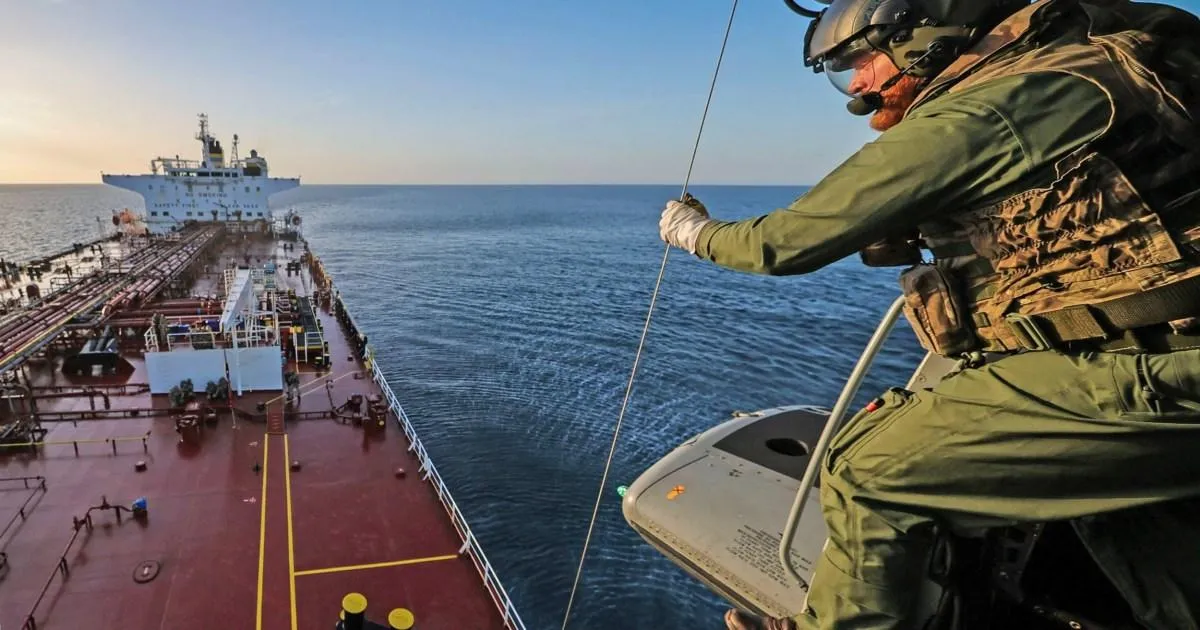
Compounding this situation is the political theater that often surrounds such events. The subsequent boarding of a Russian “shadow fleet” oil tanker—leading to the arrest of its captain on sanctions-related charges—has been viewed by some as an attempt by the Starmer government to project strength. Keir Giles posits that the Ministry of Defence may have strategically overplayed its position, using these high-octane images of Royal Marine commandos as a distraction or a PR victory to convince a worried British public that the government is, in fact, in control of the situation. Whether the timing of the boarding was motivated by geopolitical necessity or political optics remains a matter of speculation, yet it highlights the murky intersection of national security and domestic image management.
As the dust settles, the prevailing sentiment remains one of deep unease. Political figures like James MacCleary have vocalized the anxiety felt by many, warning that Russia acts as though it is waiting on our doorstep, and that such intimidation simply cannot be ignored. The English Channel is more than just a body of water—it’s a symbol of sovereignty. The fact that the line between international navigation and military provocation is becoming increasingly blurred suggests that we are entering a new, less predictable era. Until there is a clearer understanding of Russian intentions and a more robust stance on coastal security, the specter of these encounters will likely continue to haunt the quiet waters off the Isle of Wight.