


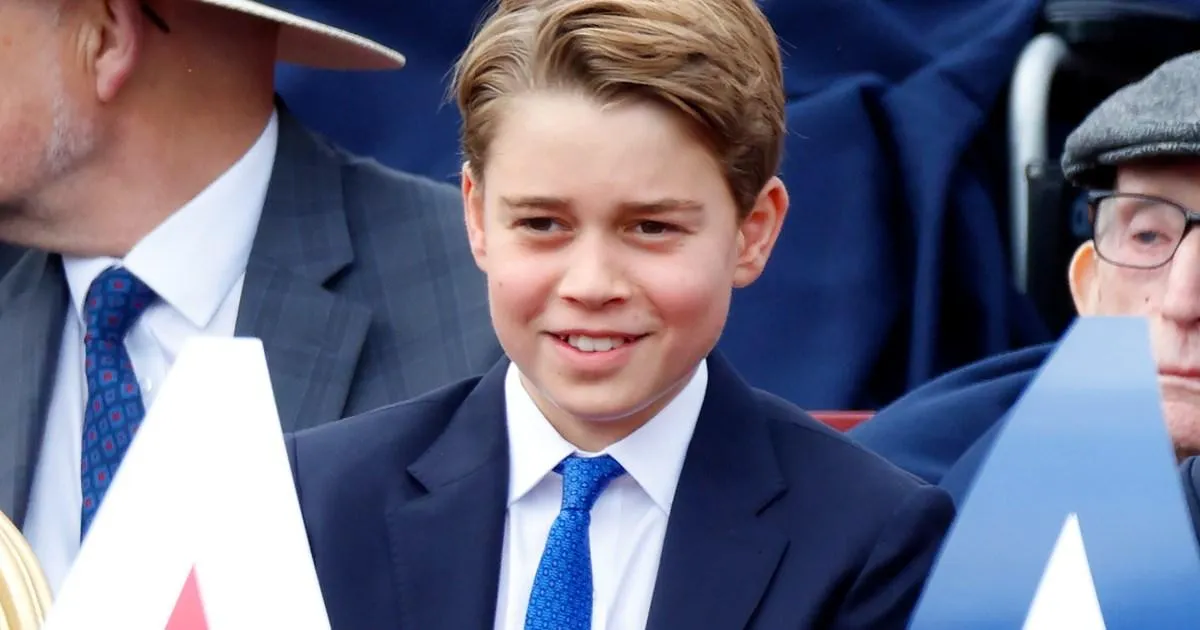
The upcoming transition of Prince George to Eton College marks a significant milestone in the life of the young royal, representing both a continuation of family tradition and the inevitable progression of his childhood. As he prepares to depart from Lambrook School in Berkshire this July, the twelve-year-old heir is stepping into a world that is steeped in history and expectation. Kensington Palace has officially confirmed that starting this September, George will join the ranks of one of the most prestigious educational institutions in the world. For his parents, Prince William and Kate Middleton, this transition period is undoubtedly being handled with the careful balance of preparing their son for his future responsibilities while attempting to preserve as much normalcy as possible during his teenage years.
The choice of Eton College is hardly a surprise, as the halls of the Windsor institution are lined with the ghosts and portraits of George’s own family. Following in the footsteps of his father, Prince William, and his uncle, Prince Harry, George will be walking the same corridors where many of Britain’s most influential figures once studied. The school’s legacy is monumental, boasting a history that includes educating twenty British prime ministers—among them Boris Johnson and David Cameron—as well as a wide array of cultural icons ranging from adventurer Bear Grylls to actors Eddie Redmayne and Tom Hiddleston. By choosing Eton, the Prince and Princess of Wales are grounding George in a legacy that is quintessentially British, ensuring he is educated in an environment that has long served as a training ground for the nation’s establishment.
However, the reality of attending such an elite, high-pressure institution is rarely as straightforward as the school’s prestigious reputation might suggest. The experiences of George’s father and uncle offer a compelling contrast, illustrating that even within the same walls, the experience of “royalty” is deeply personal and often fraught with complexity. During his time at Eton in the early 2000s, Prince William famously spoke of his desire to be treated as “just another student,” finding a degree of refuge in the relative anonymity of the curriculum and his involvement in sports like water polo and football. It was a period of his life he remembered with a sense of relief, grateful for the rare chance to step out of the spotlight and simply be a young man among peers.
Conversely, Prince Harry’s recollection of his time at the school, as detailed in his memoir Spare, paints a much harsher portrait of the social and emotional toll of such an environment. For Harry, the school was not a sanctuary but a crucible where he struggled to navigate the pressures of his identity and the rigid structure of the institution. He described rugby as his only true escape—a way to channel his internal rage and cope with the isolation he felt among his classmates. His account serves as a poignant reminder that while Eton offers an unparalleled classical education, the internal experience of any student—regardless of title—is subject to the whims of adolescence, academic pressure, and the search for belonging.
The months leading up to this announcement had been filled with intense public speculation, as royal watchers tracked every move the Wales family made during school visits. For a time, it seemed possible that George might choose a different path, perhaps following in his mother’s footsteps at Marlborough College, which would have signaled a break from the rigid tradition of the Windsor line. The fact that the family visited multiple schools underscores the careful deliberation Prince William and Kate have exercised, clearly prioritizing what they believe will be the most supportive environment for their son. This decision-making process highlights a shift in modern royal parenting: a conscious attempt to weigh historical obligation against the individual needs and happiness of the child.
As George turns thirteen in July, he stands on the precipice of a new chapter of his life, one that will inevitably bridge the gap between his quiet childhood and the weight of his future role as second in line to the throne. The £63,000-a-year tuition fee and the centuries-old tailcoats are merely the external trappings of his education; the real journey will be the one he takes inward as he navigates the high expectations that come with his surname. While the media and the public will continue to watch with interest, the most important aspect of this transition is that George, like any other young student, is simply moving into a new classroom, ready to forge his own identity amidst the heavy shadows of his ancestors.