


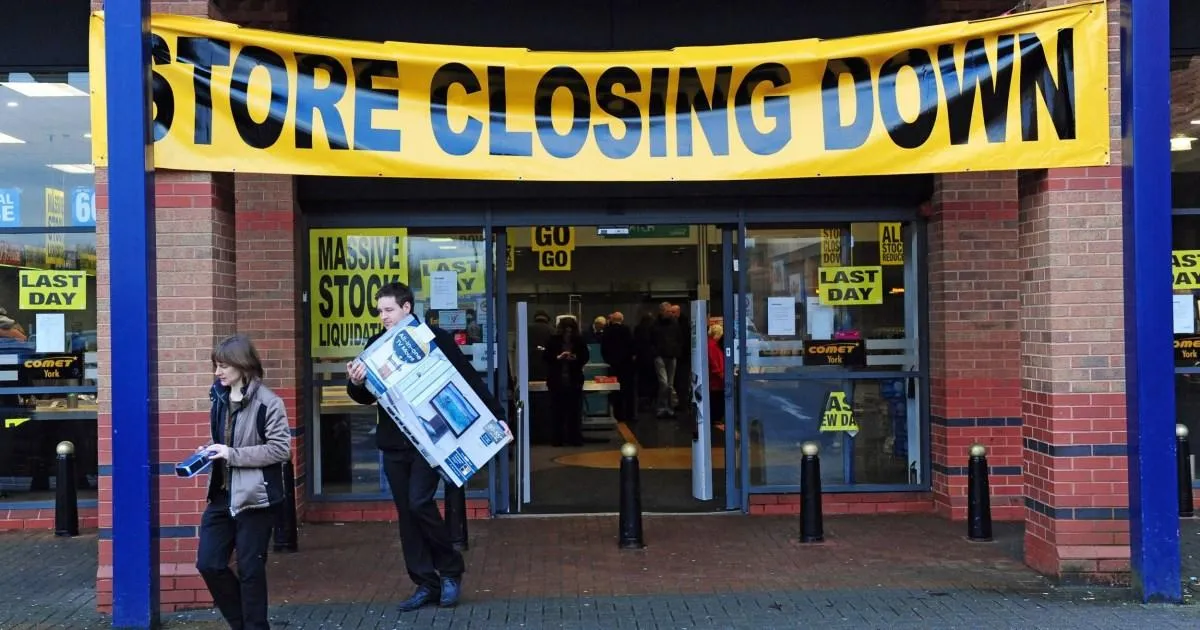
There are certain names from British retail that linger long after the lights go out, and Comet is one of them. For decades, it was the place families went to marvel at televisions, stereos, and the latest electrical wonders — a gleaming cathedral of consumer technology long before online shopping stripped away the magic. When the company finally collapsed in 2012, after years of severe financial losses and a changing marketplace it could no longer keep pace with, it felt like the end of an era. The stores closed, the jobs disappeared, and the brand seemed destined to become just another faded memory in the long graveyard of fallen high street names. But now, fourteen years later, Comet is making an unexpected return. It is not coming back as the sprawling chain of out-of-town superstores that once dotted the country, but as an online marketplace, a digital revival with more than one million products available through around 2,500 independent retailers. The force behind this resurrection is Cas Paton, a 42-year-old entrepreneur who has bought the rights to the name and is betting that nostalgia, trust, and a familiar black-and-orange logo can still matter in a crowded e-commerce world. It is a bold move, especially at a time when household budgets are squeezed and online giants dominate. But Paton is convinced that Comet’s name still carries emotional weight. He remembers it from childhood, and he believes millions of others do too. The relaunch is not just about selling fridges and phones; it is about reviving a feeling, a sense of aspiration and excitement that once made a trip to an electrical shop an occasion. In an age of frictionless but forgettable online transactions, Comet’s return offers something different: a connection to a simpler, more tangible shopping era. Whether it can succeed is another question, but the sheer nostalgia of the name is already generating buzz. After fourteen years in the wilderness, the comet is blinking back into view.
For Cas Paton, this is far more than a commercial venture. It is deeply personal. He still remembers visiting Comet’s Trafford Park store in Manchester as a young boy, his hand held tightly by his late father, Nigel. The shop floor was a place of wonder, filled with enormous televisions and gleaming gadgets that seemed to promise a future just out of reach. Paton speaks about those visits with a tenderness that reveals how much the brand meant to him. “I remember being a very young boy and going into Comet and just being so excited by the potential of all this new technology,” he said. “Whether it was the TVs or the electronics, these were things you aspired to own.” That memory of his dad, walking the aisles together, has stayed with him for decades. It is one of the reasons he felt compelled to bring the brand back. When the opportunity arose to buy the rights to the Comet name, Paton did not hesitate. He saw a chance not only to build a business but to honour a piece of his own history, and in doing so, to give other families the chance to create similar memories. The high street has changed enormously since those childhood trips, of course. Many of the shops that once anchored our towns are gone, and the way we buy electronics has been transformed by Amazon and other digital platforms. Yet Paton believes that the emotional connection people have with Comet can still cut through the noise. He is not trying to recreate the past exactly; he is trying to carry its spirit into the future. That is why the relaunch is being handled with such care, and why every decision, from the products to the branding, is filtered through the lens of what made the original so special.
The branding decision was particularly important. Comet had gone through several visual identities over the years, but Paton was adamant that the relaunch would revive the familiar black and orange logo that most people remember. He felt that later versions of the brand’s look had lost touch with the customers who had loved Comet for generations. “It was non-negotiable that we went live with the brand everyone actually remembered,” he said. “We wanted to try and bring that nostalgia of the brand and the history and the way it makes people feel into an online marketplace.” This attention to emotional detail is central to the entire project. Comet was founded in 1933, and for the best part of eight decades it was one of Britain’s most recognised electrical retailers. It survived wars, recessions, and the rise of the internet, but ultimately could not withstand the brutal economics of the modern retail industry. Entering liquidation in 2012 was a devastating blow to its employees, its customers, and the many communities it served. Now, Paton is attempting something genuinely different. Rather than buying and selling its own stock, the new Comet will act as a marketplace. Independent retailers will use the platform to reach customers, and every purchase made through the site will go directly to one of those sellers. The range will be vast, covering everything from televisions and washing machines to mobile phones, computers, and the latest gadgets. By bringing together thousands of sellers under one trusted name, Paton hopes to create a destination that offers both choice and reassurance. It is a clever model, one that avoids the enormous costs of warehousing and logistics that helped sink the original company, while still benefiting from the brand recognition that Comet earned over decades of trading.
The new Comet may start life online, but Paton has much bigger ambitions. He is already exploring click-and-collect partnerships that could eventually see the Comet name return to physical buildings. “I want Comet to be able to connect to stores again,” he said. “We’re exploring a few options that might put Comet’s name back on a few buildings.” The thought of seeing that familiar signage hanging above a shop once more is an evocative one. It speaks to a broader longing for the high streets of our youth, where shopping was a social experience, and where the act of buying a new television felt like a significant milestone. Paton is not naive about the challenges. The retail landscape is brutal, and reviving a fallen brand is notoriously difficult. Yet he has already invested £10 million of his own money into the launch, and he believes the business could eventually be worth between £250 million and £500 million. Those are ambitious numbers, but they reflect his confidence in the power of the Comet brand. He sees himself not as an owner but as a caretaker, someone who has been entrusted with a name that means something to millions of people. By working with retailers rather than competing against them, he hopes to build a model that is genuinely sustainable. The marketplace approach means that small businesses can benefit from Comet’s visibility and heritage, while customers get access to a huge range of products in one familiar place. It is a vision of retail that tries to balance modern convenience with old-fashioned trust.
The timing of the relaunch is significant. Households across Britain are feeling the pinch. The cost of living crisis has made every pound count, and people are far more cautious about how they spend their money. Paton understands this better than most. “The market is really tough. Money is really tight,” he said. “But people still need a kettle. They still need a toaster. They still want a TV.” In many ways, this is where Comet’s heritage becomes an advantage. In an online world flooded with unknown sellers and unreliable marketplaces, a brand that has been around for generations carries a certain weight. People know Comet. They remember its stores, its advertisements, and the promise of quality that came with it. Paton wants to leverage that trust to help customers save money by bringing together a wider range of sellers, all competing for their business. “If we can help people save money by bringing better choice from a reputable, long-standing brand that has nostalgia and trust, I think it’s a great win,” he said. It is a gentle but important message. The relaunch is not just about commerce; it is about giving people a sense of security in uncertain times. When so much of life feels unstable, there is comfort in returning to a familiar name. Whether it is the kettle that keeps a household running or the television that brings the family together for a film, these everyday objects matter. And if Comet can be the place where people find them, at a price they can afford, then the brand will have found its purpose all over again.
Ultimately, the return of Comet is a story about memory, resilience, and the strange emotional power of a name. In an era when so much of our shopping is done through faceless algorithms and anonymous delivery drivers, there is something deeply appealing about a brand that feels like an old friend. Paton’s decision to bring Comet back is a gamble, but it is also an act of love. He is honouring his father, his childhood, and the millions of people who once walked through those automatic doors with a sense of excitement. The new Comet will not be the same as the old one. It will not have the vast warehouses or the rows of gleaming displays, at least not yet. But it will carry the same spirit: the belief that technology can enrich our lives, and that shopping should be an experience to enjoy rather than a chore to rush through. Whether the brand can recapture its former glory remains to be seen. The retail world is unforgiving, and nostalgia alone cannot sustain a business. But with a marketplace model, a substantial investment, and a leader who genuinely cares about the name he has resurrected, Comet has a fighting chance. And for those who remember standing in a Comet store, staring at a television they could only dream of owning, the simple fact that the brand is back is enough to spark a little joy. The comet has returned, and it is once again inviting us to look up, dream big, and maybe buy a kettle or two along the way.