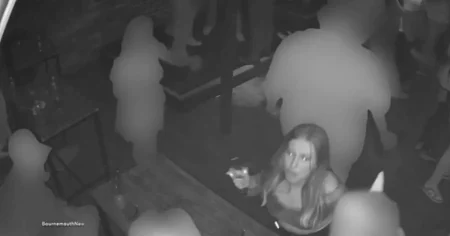

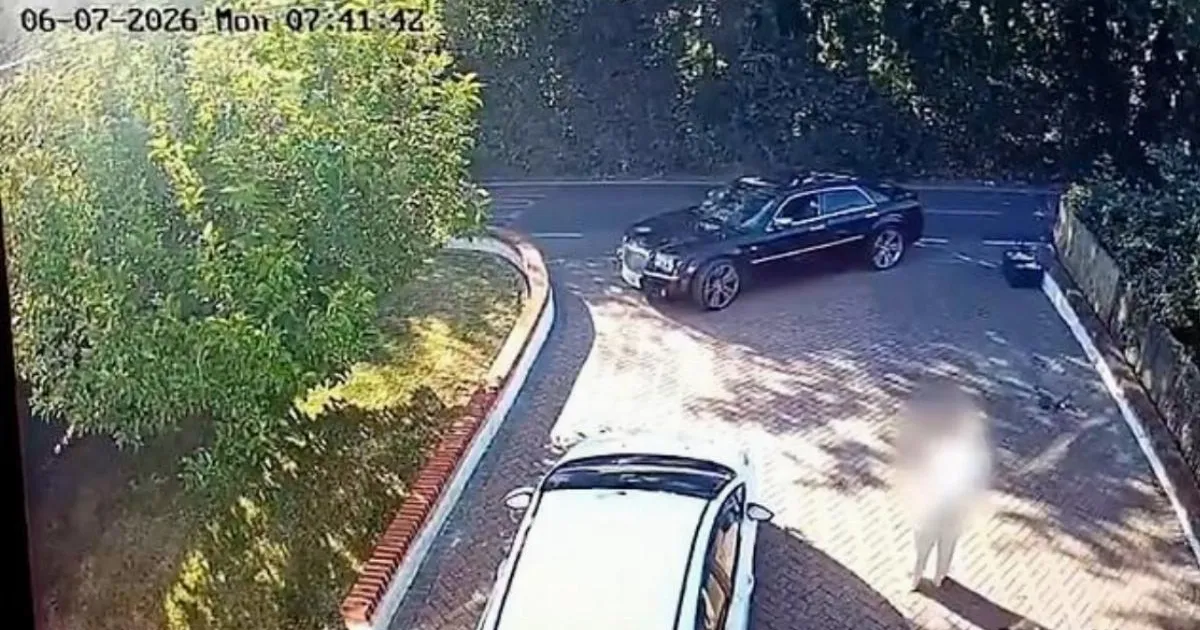
The recent standoff between Reform UK leader Nigel Farage and sections of the British media marks a volatile new chapter in the ongoing friction between politicians and the press. The controversy ignited when Farage took to social media to share surveillance footage of a journalist appearing on the driveway of his daughter’s residence. Expressing a level of fury he claimed was unprecedented in his long public career, Farage accused media outlets of crossing a line by turning his family members into “collateral damage” for his political battles. To him, this wasn’t just a breakdown of professional boundaries; it was a targeted campaign of harassment designed to put his family at risk, pushing him to demand public apologies and an immediate cessation of these tactics.
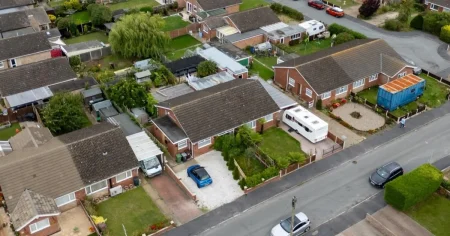
At the heart of Farage’s complaint is the assertion that his private life—and specifically the safety of his children—should remain completely shielded from his political ambitions. Farage pointedly noted that his daughter has never held a public role, nor has she ever been featured in his campaign materials. He views the recent decision by certain outlets, including The Times, to photograph her home and the subsequent “haranguing” by broadcasters as a direct threat to her security. In his view, the distinction between holding a politician to account and stalking their private family members has been callously ignored, leading to a situation where his personal life has become a staging ground for aggressive investigative journalism.
However, the media organizations standing accused tell a very different story, framing their actions as a necessary pursuit of transparency and public accountability. Sky News, which found itself the primary target of Farage’s online outburst, argued that their presence at the property was driven by a specific story regarding undeclared funding. Reports had surfaced suggesting that long-term ally George Cottrell provided financial support for Farage’s security and staff—funding that remained missing from official records prior to his election in Clacton. From the broadcaster’s perspective, this is not about harassment, but about investigating legitimate questions regarding election integrity and transparency that a public official has a duty to answer.
The friction between the two sides has now devolved into a “he-said, she-said” battle over integrity and truth. Farage has flatly accused Sky News of lying, claiming the network denied contacting his family even after their employees were caught on camera at the residence. He is painting a picture of an establishment media machine that is willing to play dirty to undermine his political movement. Conversely, Sky News maintains that their efforts to contact him were “reasonable” and strictly compliant with professional standards, noting that they approached the property once, identified themselves, and respected the resident’s choice not to engage. They categorize their work as a legitimate “broadcast pool operation” rather than an act of intimidation.
This skirmish highlights the precarious and often toxic intersection of modern politics and the 24-hour news cycle. While the public has a clear right to know the financial dealings of their representatives, the methods used to secure that information are increasingly coming under the microscope. For Farage, the incident is a rallying cry to his supporters about media bias and the supposed cruelty of the “mainstream” press. For the media, the episode underscores the difficulty of pinning down a politician who is adept at using his own social media platforms to control the narrative, framing hard-hitting inquiries as personal attacks rather than necessary civic scrutiny.
Ultimately, the clash speaks to the erosion of trust in the relationship between those who govern and those who report on them. When politicians begin documenting journalists like intruders and journalists begin staking out private homes in search of political leads, the democratic process suffers. Farage is successfully reframing the conversation from one about his financial transparency to one about the ethics of press behavior. Meanwhile, the media remains stuck in the difficult position of trying to hold a high-profile figure accountable while being painted as villains in his viral videos. Whether this leads to a shift in how political investigations are conducted or merely fuels more polarization remains to be seen, but the divide between the two camps is clearly widening.