



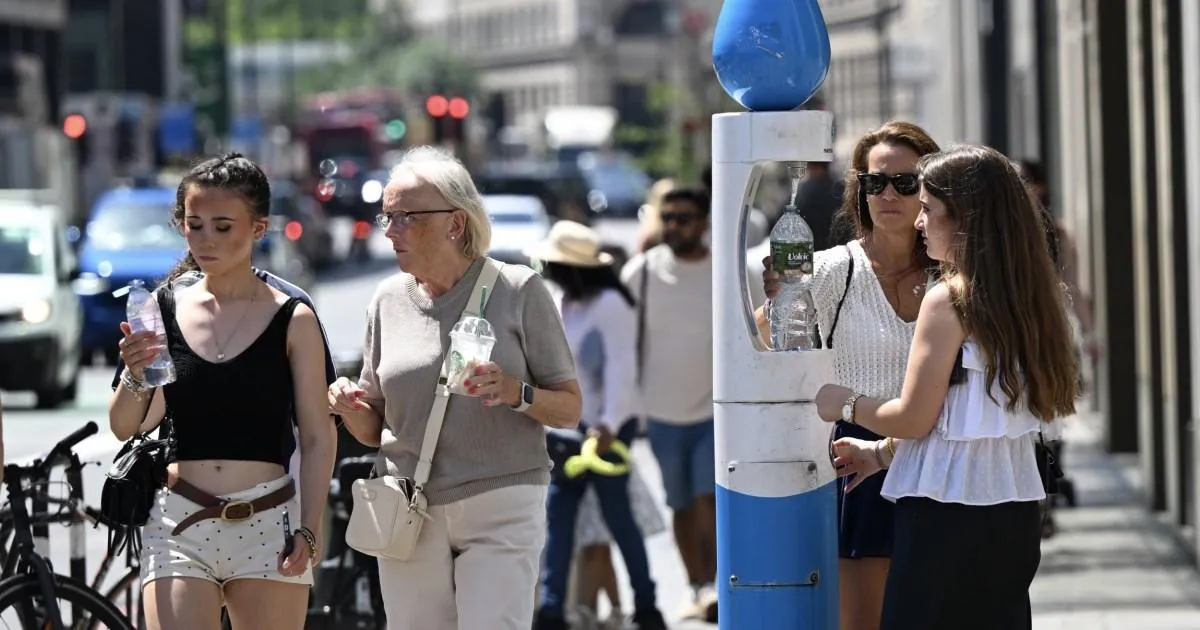
The recent surge in heat-related fatalities across the UK serves as a stark and sobering reminder that the climate crisis is no longer a distant threat—it is a present danger affecting our homes and our loved ones. According to interim data from the UK Health Security Agency (UKHSA), an estimated 2,877 lives were lost to excessive heat during May and June alone. This staggering figure is nearly double the death toll from the same period last year, marking a sharp and alarming trajectory. As these numbers climb toward record-breaking territory, they act as a loud cry for us to re-examine how we protect our most vulnerable neighbors during the sweltering months of summer.
The human element of these statistics is the most difficult to process. Dr. Ross Thompson, a leading scientist at the UKHSA, notes that while these numbers are preliminary, they underscore the profound risks of high temperatures, particularly for the elderly and those living with chronic medical conditions. When the mercury rises, it isn’t just an inconvenience; for thousands, it becomes a physiological tipping point. The fact that these deaths occurred during only two of the four heatwaves experienced this summer suggests that the cumulative stress of recurring, brutal temperatures is stretching the resilience of our population and our healthcare system to its absolute limits.
Beyond the tragic loss of human life, the infrastructure of our daily existence is beginning to buckle under the strain. We are seeing a cascade of environmental crises, from widespread wildfires that have forced the evacuation of homes to drought conditions that have left more than half of England struggling for water. The sight of residential properties being cleared near a nuclear plant in Suffolk is a jarring image that brings the reality of these environmental shifts into our own backyards. It is a frightening paradox: while we struggle to keep our bodies hydrated, we are simultaneously facing the real possibility of further hosepipe bans as our water resources dwindle.
This environmental pressure is also bleeding into our food security, creating a silent crisis for those who work the land. Farmers, who are the heartbeat of the countryside, are currently facing what many describe as their worst harvest in years. Gavin Lane of the Country Land and Business Association notes that a combination of a waterlogged winter followed by this relentless drought has left crops stunted and often not even worth the effort of harvesting. When our wheat stands at half its height and the fields turn to dust, we are reminded that the impact of this heat is not just transient—it is eating away at the stability of our food supply, with consequences that will ripple long after the sun goes down.
In response to these mounting pressures, government officials are beginning to pivot their language to address this “new normal.” Health and Social Care Secretary Yvette Cooper has openly acknowledged that while the UK has long prepared for the strain of winter, we must now urgently adapt to the life-threatening impact of summer heat on the NHS. The healthcare system, already under intense demand, is now witnessing the equivalent of “winter pressures” in the middle of June and July. This acknowledgment signifies a shift in policy, moving away from viewing heatwaves as occasional anomalies and toward viewing them as consistent, dangerous events that require systemic preparation.
Ultimately, however, this report is a call to collective kindness. As we navigate the remainder of the summer, the most powerful tool we have is the vigilance of our community. Checking in on elderly relatives, ensuring neighbors have enough water, and recognizing the signs of heat exhaustion aren’t just polite gestures—they are, as Secretary Cooper noted, potentially life-saving actions. As we stare down the barrel of potentially the hottest summer on record, we must match the intensity of the climate with an equal intensity of care for one another. A little extra attention today could prevent a tragedy tomorrow, and in a landscape facing such extreme conditions, looking out for one another is the most essential survival strategy we have.