



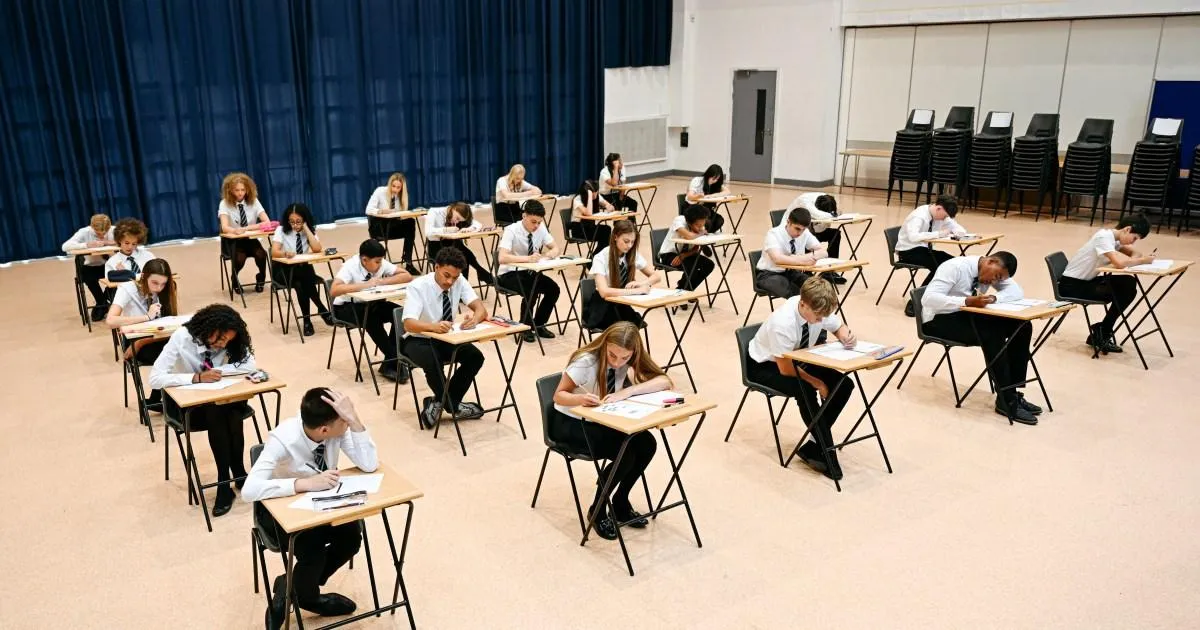
The ritual of the GCSE exam season, with its sleepless nights, social isolation, and adrenaline-fueled tension, is a rite of passage that has defined the British student experience for four decades. I vividly remember glancing at the clock in my final exam, knowing that the years of agonizing preparation were finally coming to an end. Yet, as I watched younger students being scolded by invigilators recently, I realized with a sense of relief that my generation was among the last to endure this specific brand of pressure. Schools are finally beginning to acknowledge that the traditional GCSE model belongs to a bygone era, and the shift toward more modern, flexible forms of assessment is long overdue.
My own school is at the forefront of this transformation, choosing to abandon standard national exams for the 2027 cohort in favor of a bespoke curriculum. Instead of high-stakes testing, students will engage in a dynamic range of subjects—including essential modern topics like artificial intelligence—that are assessed through continuous, integrated learning. Furthermore, by introducing “bridging courses,” the school is actively smoothing the notoriously difficult transition from secondary schooling to A-levels. Having struggled through the intensity of the current system myself, I feel a deep sense of optimism for those who will benefit from a more supportive, iterative path that prioritizes long-term understanding over temporary memorization.
The call for reform is not just coming from frustrated students; it is echoing from the very top of the political establishment. Even Lord Kenneth Baker, the architect who introduced GCSEs, has publicly admitted that the system is “Edwardian” and outdated. It is truly surreal to realize that our parents sat for the exact same qualifications in a world that existed before the internet, globalization, and the digital revolution. Beyond the obsolescence of the curriculum, there is a mounting moral imperative to act: research from University College London has explicitly linked extreme exam stress at age fifteen to an increased risk of long-term depression and self-harm. In an era that claims to prioritize mental well-being, subjecting teenagers to such crushing pressure is increasingly difficult to justify.
When I look back on my final years of secondary school, my memories are not defined by the brilliance of my teachers or the wonder of discovering new ideas; they are buried under the weight of mindlessly created revision cards. The “all-or-nothing” nature of a single exam day is a flawed metric that fails to account for two years of genuine effort and intellectual growth. By shifting toward more frequent, lower-stakes assessments, schools can finally foster an environment where students engage with the substance of their subjects rather than simply playing a cynical game of memory retrieval. This approach removes the paralyzing fear of failure and allows the curriculum to be better aligned with the actual interests and future needs of young learners.
The reception to this shift has been overwhelmingly positive among those at the coalface of education. Teachers, once restricted to “teaching to the test,” are rediscovering their passion for their subjects, free from the rigid constraints of a single terminal exam. While some parents express valid anxieties about how their children will navigate a job market that demands traditional credentials, the reality is that the professional world is evolving just as fast as our classrooms. Employers and universities increasingly recognize that a grade in a box does not always capture the true potential or capability of a student. As we move away from the high-pressure factory-style model, we create space for students to develop more than just the ability to regurgitate information under duress.
Ultimately, while I don’t regret the discipline and stress management skills I gained during my exams, I firmly believe that the negatives of the current system far outweigh the perceived benefits. We must ask ourselves why we value a rigid, anxiety-inducing system over one that nurtures curiosity and sustained growth. As I think about the younger students who will no longer inherit this broken, outdated tradition, I am filled with hope. Education should be a journey of discovery, not a test of endurance. By moving toward a more modern, holistic assessment of student progress, we are finally putting the health and the passion of the next generation at the center of the learning experience.