
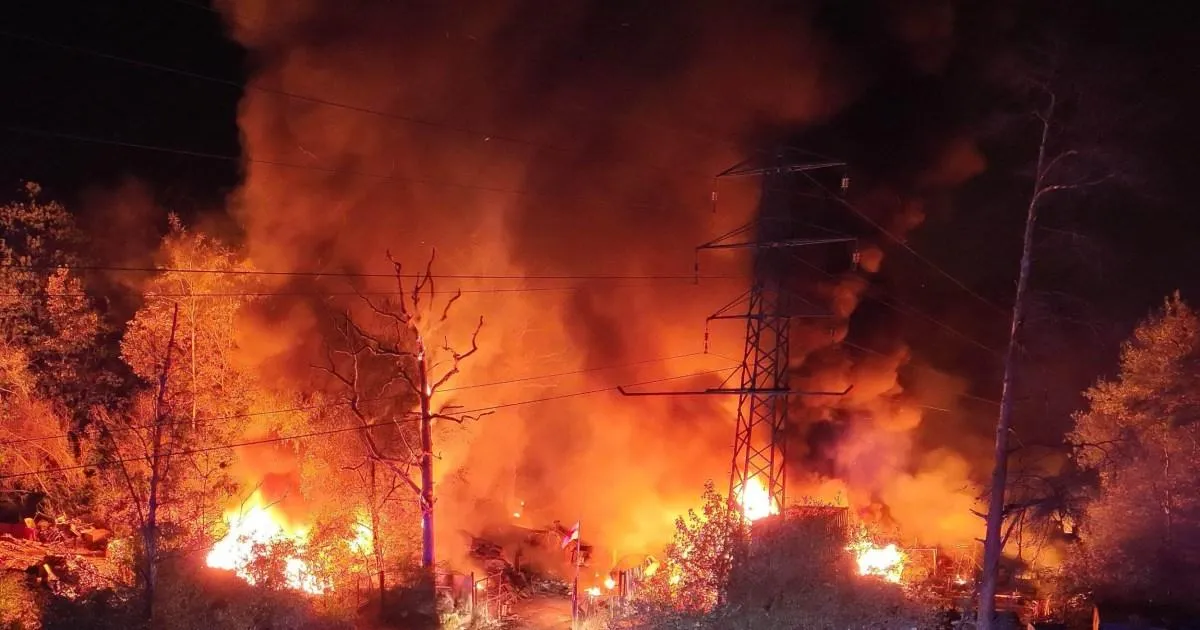
On a quiet Saturday evening, the serenity of Rowfant, a small community nestled near Crawley in West Sussex, was violently shattered. At approximately 8:55 PM, emergency services received reports of a fire at the Caldyne Business Park, a facility that had long been a hub of local commerce, especially known for its cluster of auto repair shops. What began as a single report of a blaze soon escalated into a response to what firefighters would describe as a ‘major and complex incident’. The first-arriving crews were met with a truly apocalyptic scene: a sea of orange flame and heavy, acrid smoke billowing into the night sky. The fire, seemingly born in one of the car workshops, had discovered an unlimited fuel source in the vast inventory of vehicles parked within the business park’s bounds. The flames licked and leapt from car to car with a ferocious speed, a roaring, crackling orchestra of destruction that would take hours to bring under control, and many more to fully extinguish. The scale of the inferno was almost unreal, as dozens upon dozens of vehicles were sacrificed to the blaze, one after another, their twisted metal frames becoming a grim sculpture garden of ruin and loss.
The aftermath of the fire is one of staggering numbers and profound loss. When the smoke finally cleared, and the damage could be accessed under the harsh glare of daylight, the true extent of the catastrophe became clear. The West Sussex Fire and Rescue Service confirmed in their official statements to the press that not just one or two, but a staggering 140 vehicles had been completely destroyed by the flames. These were not merely abandoned chassis, husks and structural wrecks. These were the livelihoods of the local auto repair businesses, the working vehicles of the heavy goods sector, and, most poignantly, the personal cars of people who were, at that very moment, likely boarding a plane for a long-awaited holiday. The financial toll is immense, with numbers initially being quantified as “millions of pounds” of damage. The business park, a symbol of daily industrial local employment and trade, was now a smoldering shell of economic importance, leaving the established repair shops to calculate their next steps as they stood amidst the ashes of their work and their businesses. The physical landscape of their livelihoods had been charred in a single, catastrophic event that left local authorities in search for a decisive conclusion.
The immediate utility impact of the fire spread far beyond the confines of the business park’s boundary, creating a web of disruption felt by the wider community. In its path of destruction, the fire had managed to severely scorch and damage high-voltage electricity equipment that had been situated on the site. The safety of the public had to be prioritized, and so, in a drastic move to prevent further risk of injury or potential shock, the electrical supply to the area had to be hurriedly and brutally cut off. This result, was a sudden and massive local blackout, a dark shroud that quickly dropped around more than 2,000 homes in the surrounding streets and neighborhoods. For a time, the area was plunged into silence and darkness in the middle of the aftermath of a roaring beast, leaving many to wonder in confusion and a growing sense of unease about the sudden lack of power and inability to know what was happening. The businesses, which depend on a stable supply of electricity, were forced to close and send their staff, and the personal lives of residents were upended as the night’s dark palette of the emergency scene unfolded. However, in a measure of some relief, the diligent work of the UK Power Networks, a company that works tirelessly to provide electricity to the South East, worked through the night to bypass damaged infrastructure and, soon, had managed to restore power to the vast majority of those their technical base, falling to lengths to reassure the local community. By the late morning of the following day, they were reporting “no active outages” from their current management desks, calming the initial ripples of this secondary, yet significant, community issue as they return to a status quo.
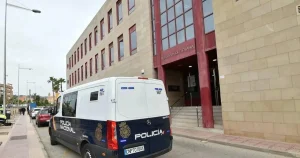
As day broke over the still-smoking wreckage, the event took a more serious legal turn. The sheer scale of destruction pointed to a high-stakes crime scene investigation. The police, promising, elected to look under, found the emergence of an immediate prime suspect. On the same day the fire was extinguished, concurrently, it was reported that a 67-year-old man had been taken into custody, strongly arrested and held of record on suspicion of arson, and subsequently put bail pending the outcome of their extensive and careful forensic operation. This arrest instantly pushed the ghastly public inferno of suspicion from a random accident to a more serious act of malevolent intent. The community is left reeling with shock; the connection of an industrial fire with an act of a calculated, or at least criminally negligent, arsonist. It opens up more questions than it answers, speculating for motive, and highlighting the terrifyingly random spark that can cause such a catastrophic event. This has now made the whole attack on that event personal to the business owners and holidaymakers who have lost so much more than time, due to not just an accident, but a potential, and deeply unsettling, criminal act.
The fire is far from a story that has a neat conclusion. The emergency services remained as a constant and looming presence on the scene for a long time into the day; there were major public warnings in effect, in a continuation of the ongoing and professional in the systematic investigations of the site. The police, with clear language, continued to advise all members of the public to avoid the area entirely. Their presence is a security blanket against the unknown future, and a sobering reminder that not all the flames have been fully dealt with, especially as the cause is under an active investigation. The incident has sent a forceful thump in the local community in Crawley and beyond. Every local resident is now left to pick up the pieces of the aftermath, and possible mental toll this has had on holiday homeowners who returned from their trips to find their their personal cars were consumed—a huge blow for families who, upon landing, had maybe hoped to quickly get to their cars and driven them back home, only to be greeted with a shitload of ash. And for the auto shops, the economic hardship is only just beginning. The business owners are left, with subsequently, and cloud of enquiry that looms. It, more importantly, is in the face of the complete loss of their stock, their equipment, and their livelihood all given to rust and ash—are all their cries for help as they survey their smoking ruins.
The Caldyne Business Park fire, in its wake, has also become a gripping human story. The number of destroyed vehicles is a concrete, tangible metric, but behind each vehicle is a different tale of woe and disruption. The holidaymakers, caught in the most unfortunate timing, have to deal with the brutal wake-up call not just of lost property, but the target of their holiday momentum dashed by the consequences of an alleged crime. The trip to the airport, which holds the promise of escaping from the routine, has been shadowed by the sudden destruction of what was a means to get them about on the other end—transport that is the only way for a family to explore, and the vehicle itself to be completely gone. But it is not just a holiday. It is a tool, from many of these repair shop workers, that allow a person to make a living; their mobile assets, parked next to their closed place of business, are now just a pile of dust compacted cars. As the phrase “millions of pounds” of damage rings in the ears of economists, the impact is much more than fortunes. It hits the regular folks and small business owners, who are the real heart of a local economy, in a personal and emotional way that makes the event feel like to a sense of a small financial murder and a severe assault on the dreams of many local families.
In the final analysis, this was more than a fire incident; it’s a catastrophe that will leave the community of Rowland and Crawley in grief and shock for a long time to come. The main question that hangs in the thick, smoky air is why? Why would someone set a fire to this park? What could the motive been, and what was the context? The presence of the arrested man leaves the entire situation wrapped in a dark layer of unresolved mystery, and as the months will develop, the investigation will be pieced together to bring to light the truth. With the phrase still on everyone’s lips and the affected area still being the focus of emergency services, the community grapple is with a loss of both material and of stability and safety. Business owners must look to insurance and secure new operators, and the holidaymakers have to adjust their plans and face the unexpected expense with the legal system to offer little help until a root cause is determined. The scars of this fire will not only just be seen in the burnt-out wreckage of a vacated business park; they will be felt in the heart of every person who visited to park their car, and every mechanic who worked morning, noon and night to fix them, in the years it takes to rebuild the destroyed site. That the response of the local community, however, will be tested as they unify to help affected auto repair owners, and assist the support of families, finding new transport, and, above all, as the search for justice to the burned-out remains is now a shared, urgent goal. The fright scene and the nightmare will not be soon forgotten, as the fire’s memory is now burnished in the mind, an example of how one malicious act can evaporate the reality of hundreds, even more, of ordinary people, in brutal, rapid and endless waves of smoke.