


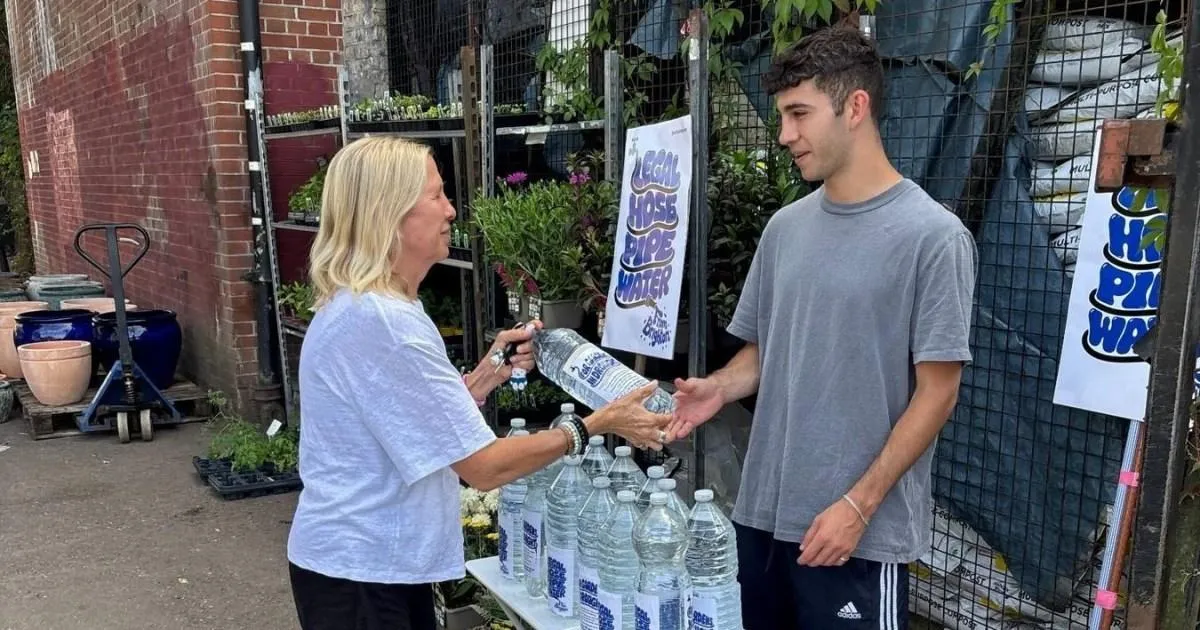
In the sweltering heat of a London summer, with the city’s famous green spaces turning brittle and brown, a simple yet profound act of defiance unfolded. Two friends, George Lazarides and Joe Pattern, loaded their car with 50 litres of water and embarked on a 51-mile journey. This wasn’t just any water; it was a potent symbol of the stark and, to them, absurd inequalities of a nation in drought. They were transporting “legal hosepipe water” from Brighton, a coastal city not yet under restrictions, to the heart of the capital, where millions of residents were forbidden from using their hosepipes. Their mission was part practical joke, part civic protest, and wholly human—a story about people feeling helpless in the face of a global crisis and choosing to respond with creativity, humor, and a spirit of communal aid.
For weeks, Londoners had watched their gardens wilt, their window boxes turn to dust, and their plans for a refreshing paddling pool evaporate. Since July 23rd, an estimated 10 million households in London had been living under a legally enforceable hosepipe ban, a measure implemented to conserve dwindling water supplies. The ban was a response to a severe lack of rainfall and the looming threat of the UK’s fifth heatwave. Residents were left to navigate a frustrating new normal, armed only with watering cans and buckets, while their carefully tended lawns and prized plants suffered irreparably. The frustration was palpable, shared across garden fences and on social media. It was this very frustration that George and Joe, a creative duo from London, decided to address. They found the geographical inconsistency of the bans particularly galling. If London was in crisis, why wasn’t Brighton? How could one region be forced to change its habits while another continued as usual, when both were facing the same hot, dry skies?
The idea was born from a place of both jest and genuine concern. “We saw that in London there is a hosepipe ban and in Brighton there is not, but the whole country is drought-ridden,” George told reporters. “We wanted to make a point against the water companies on unfair bans and we also wanted to help Londoners and to try to ensure that they could look after their gardens and their green spaces properly.” Their protest was aimed not at the people, but at the water companies and the systemic failures that led to such a crisis. It pointed to a broader issue of water management, infrastructure, and a lack of investment, which was now forcing an uneven and seemingly arbitrary set of rules on the public. By driving to Brighton, they were holding a mirror up to the absurdity of the situation: a country that is one unified landmass, yet with water rules that felt like the luck of a postcode lottery.
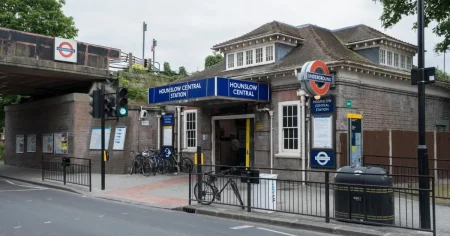
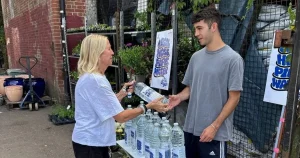
On the night of August 10th, George and Joe made the drive to Brighton. Under the cover of darkness, they visited a friend’s house and, using a hosepipe that was perfectly legal there, they filled 25 two-litre bottles, the maximum capacity their car could carry. The act itself was a quiet rebellion against the symbolic restrictions of the city they called home. As they drove back to London, the 50 litres of water represented more than just the physical liquid; it was a tangible gesture of solidarity. The next morning, they set up camp outside Stockwell Tube station and later at the Croxted Road Garden Centre in Herne Hill. They had printed small labels for the bottles, reading “legal hose pipe water,” and were ready to distribute them. They had expected a few quizzical looks, but what they received was a wave of gratitude. They gave water to around 100 people, engaging in conversations with gardeners who were at their wits’ end.
The response they received spoke volumes about the mood of the city. As they handed out the bottles, George and Joe listened to stories of despair from residents desperate to save their urban oases. “We got a good response so we will definitely do it again,” George said. “We knew that there was going to be another heatwave coming, and so we wanted to respond to that. When we spoke to people and gardeners, they were saying how frustrated they were with the hosepipe ban.” For the people they met, the gift was twofold. It was a practical lifeline for a thirsty plant, a chance to give their garden a deep, soaking drink in defiance of the parched conditions. But more than that, it was a validation of their feelings. The gesture acknowledged their struggle and offered a small, human moment of connection in a period marked by impersonal edicts and large-scale environmental anxiety. The water wasn’t a permanent solution, but it was a refreshing and much-needed dose of hope and community spirit.
The larger context of their small act is a national picture of widespread water scarcity. George and Joe’s protest came as nine water companies across the UK imposed hosepipe bans, affecting an estimated 26 million people. These restrictions, while frustrating, are a vital tool to ensure sufficient water is saved for essential use, like drinking and sanitation. The use of a hosepipe for watering gardens, washing cars, or filling paddling pools is forbidden under the threat of a £1,000 fine. While necessary, these measures often place the burden of guilt and conservation on individuals, obscuring the larger, systemic problems of infrastructure leakage, population growth, and the accelerating effects of climate change. For a creative duo like George and Joe, it was a moment to highlight the dissonance between individual action and corporate responsibility, using humour as a weapon against the despair of a climate crisis that feels both overwhelming and deeply personal.
The story of the “legal hosepipe water” is a snapshot of a changing world, capturing how individuals navigate the new realities of a warming planet. It’s a story about creative resistance, the power of small gestures, and the innate human desire to help one another, even in the face of seemingly insurmountable challenges. While the 50 litres of water didn’t solve London’s drought, it did a great deal more than wet some soil. It watered the seeds of community, provided a moment of levity and connection, and shone a light on an issue that is forcing everyone to rethink their relationship with essential resources. As the UK contends with a future of hotter, drier summers, the actions of George and Joe offer a template for response: not one of panic or passive acceptance, but of proactive,human solidarity. Ultimately, their journey was a reminder that even when grand systems seem to fail us, the most powerful response is often found not in large-scale policy, but in the simple, defiant act of helping your neighbour.