


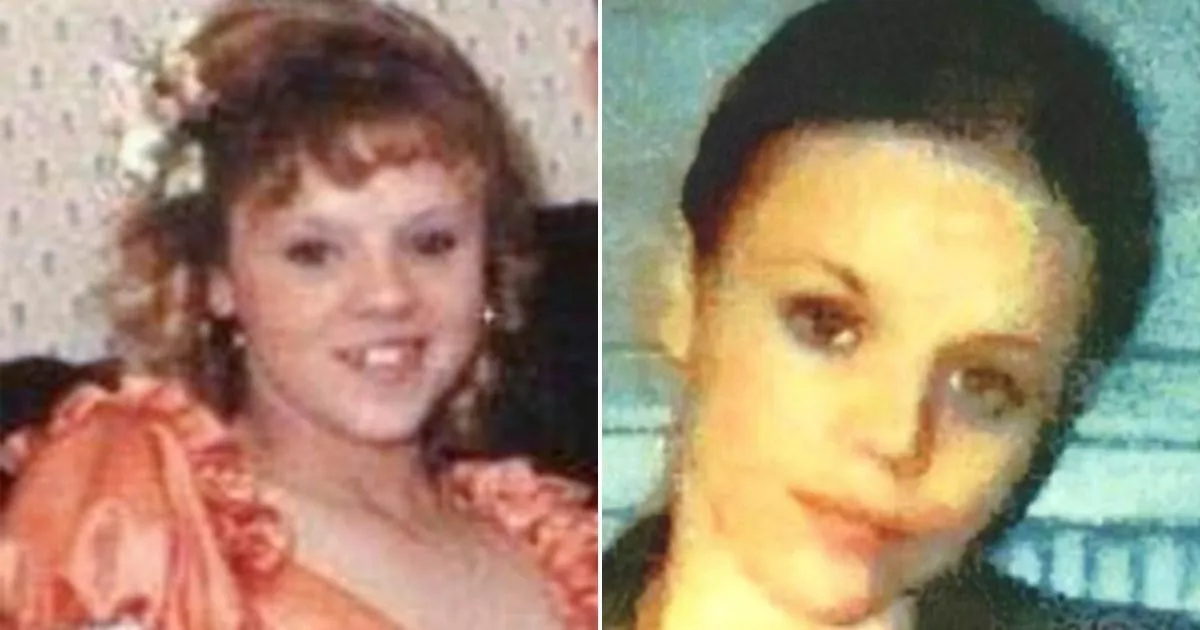
For nearly three decades, the disappearance of 17-year-old Donna Keogh has remained an open, aching wound for the town of Middlesbrough and a catastrophic loss for her family. In 1998, a vibrant teenager with blonde hair and a distinct sense of style simply vanished from the town centre, leaving behind no trace, no body, and a void that has never been filled. For years, the case sat in the shadows of cold-case files, but a recent surge in police activity has breathed new, sobering urgency into the investigation. With the recent arrest of a 62-year-old man in Manchester—following the apprehension of a 64-year-old in Leeds—authorities are signaling a renewed resolve to finally break the silence surrounding her suspected murder.
To understand the tragedy, one must look at who Donna was before she disappeared. She was a seventeen-year-old girl described by her loved ones as a slim, five-foot-two teenager who favored a sky-blue, backless dress and black boots detailed with a crocodile-skin pattern. The heartbreak began not just with her absence, but with a series of investigative failings; her disappearance was not formally reported to the police until a full month after she was last seen. By the time authorities began to piece together her final hours, the trail had gone cold. Early inquiries in 1999 led to the arrest of two men, yet the lack of evidence meant charges never materialized, leaving the case to drift into a haunting limbo.
For Brian and Shirley Keogh, Donna’s parents, the last twenty-eight years have been a life sentence of grief. In interviews, they have spoken candidly about the impossible nature of their reality, describing their existence as one where “time has stood still.” They have not moved on because, without closure, moving on feels like a betrayal of the daughter they lost. Their agony has been compounded by the knowledge that the initial investigation was mishandled, a failure for which Cleveland Police have since issued a formal apology. It is a testament to the family’s resilience that they have endured this long, carrying the weight of “unbearable uncertainty” while waiting for the truth to surface.
The case has been defined by a series of tragic near-misses and frustrating dead ends. Under the banner of “Operation Resolute,” launched in 2016, police have combed through nearly 1,800 witness statements in a desperate bid to uncover the truth. The intensity of the search even led them to excavate an allotment in Teesside, hoping to find remains that might finally give the family a place to say goodbye. The heartbreak of that discovery—that the bones unearthed were medieval, not those of their daughter—served only to highlight the cruelty of how much time has passed without resolution. The investigation continues, however, fueled by the conviction that somewhere, someone holds the key to this mystery.
Senior Investigating Officer Evan Kirtley has made it clear that while these recent arrests are significant, they are merely steps toward the ultimate goal: justice for the Keogh family. In his pleas to the public, he strikes a tone of empathy, focusing on the human toll of the crime rather than just the procedural elements of an investigation. He emphasizes that after thirty years, the “wall of silence” must come down. The police are betting on the idea that allegiances may have shifted over time and that someone who once felt compelled to protect the truth might now feel the moral weight to finally speak up. A £20,000 reward, offered through Crimestoppers, stands as a tangible incentive for anyone harboring secrets to come forward.
Ultimately, the story of Donna Keogh is a reminder that a murder case is never truly just a matter of law—it is a matter of humanity. It is about a girl who would have been an adult woman today, a family who has missed out on years of birthdays and milestones, and a community that has lived with the dark suspicion that a killer moved among them. The arrests in Manchester and Leeds are more than just police work; they are a glimmer of hope that the long, cold silence is finally beginning to thaw. As the investigation moves forward, the primary hope remains that, after three decades, the Keoghs might finally receive the comfort and clarity they have been seeking since that day in 1998.