


Imagine the thrill of clearing out a dusty, forgotten attic only to stumble upon a treasure trove that has remained silent for nearly a hundred years. This was the reality for one Edinburgh family, who, while preparing a multi-generational New Town home for sale, pried open old chests to find over 100 exquisite pieces of silver stashed away. Dating from the early 18th to the early 20th centuries, these items had been tucked away by ancestors long ago, their existence fading into the background of family history as the decades passed. What they uncovered wasn’t just a collection of metal, but a tangible link to a bygone era of craftsmanship that had been patiently waiting in the shadows.
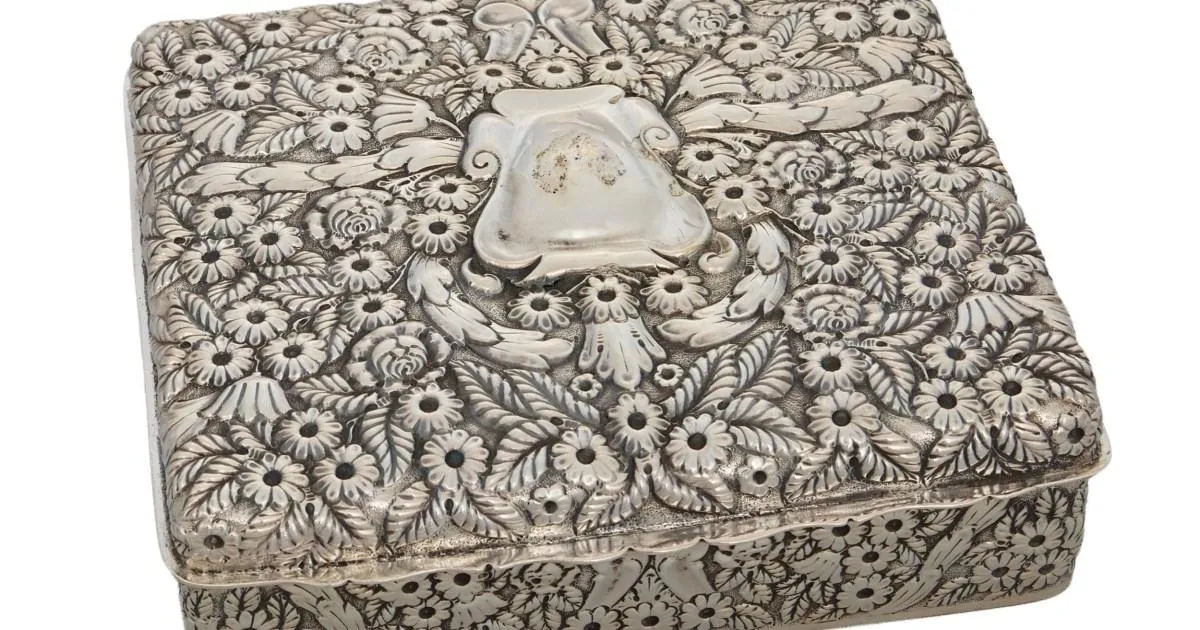
When the family brought the collection to Elmwood’s auction house in London, they were optimistic but realistic, with experts initially estimating the lot would fetch around £23,000. It is easy to imagine the family’s shock when the hammer finally fell at a remarkable £59,761—more than double the anticipated price. Among the standout items that drove this frenzy was a stunning jewellery box crafted in Chester in 1908, a charming silver travelling shaving brush from 1867, and an intricate 18th-century spyglass signed by the renowned instrument maker Ramsden of London. Each item told a story, capturing the imagination of collectors who were eager to own a piece of this hidden history.
The absolute jewel of the collection, however, was a set of fine Danish vintage cutlery identified as Lot 15. This single set commanded an impressive £5,200, highlighting the massive interest in high-quality, “fresh-to-market” antique silver. For members of the family, the entire auction process was nothing short of an emotional rollercoaster. They expressed that they were “completely overwhelmed” by the outcome, noting that the experience transformed a simple, exhausting task of clearing a home into an extraordinary journey of rediscovery. It is a poignant reminder that our homes often hold secrets, waiting for the right moment—or the right generation—to bring their stories back into the light.
Joe Kendrick, the head of sales at Elmwood’s, noted that the auction house knew the collection was special from the very first inspection of the contents. The sheer quality of the pieces, combined with the romantic narrative of their century-long slumber in an Edinburgh attic, clearly resonated deeply with the bidders. Kendrick emphasized that the final price was a testament to the “enduring appeal” of items with such strong, genuine provenance. While the craftsmanship of the items was clearly exceptional, it was the “fresh-to-market” status—the fact that these items hadn’t been picked over or traded for generations—that really set the market on fire.
For the family involved, the financial windfall is certainly a wonderful bonus, but the true value lies in the preservation of these heirlooms. There is a sense of closure and satisfaction in knowing that items, which had been rendered invisible by time and dust, have now found new homes with collectors who truly understand and appreciate their historical significance. Instead of remaining locked in anonymous chests, these silver treasures are now beginning their “new chapter,” being displayed and admired across the globe exactly as their original owners once intended over a century ago.
Ultimately, this story serves as a beautiful human interest piece about the interconnectedness of families and their material history. It encourages all of us to look twice at the boxes in our attics and the relics in our cupboards, as we never know what kind of legacy might be gathering dust nearby. The Edinburgh family’s discovery is a rare and exciting reminder that history is not just found in museums or archives; sometimes, it is resting just above our heads, waiting for an ordinary day to become extraordinary. By turning their “unexpected discovery” into a success story, the family has ensured that their ancestors’ legacy of collecting is not only remembered but celebrated.