

Here is a humanized and expanded summary of the tragic story, structured into six distinct paragraphs that delve into the emotional weight, the community impact, and the procedural aftermath of the event.
—
The tranquil, late-summer streets of Tollington Park, a residential artery winding through the vibrant and multicultural heart of Finsbury Park in north London, became the scene of utter nightmare on the evening of August 11th. The day had likely started as any other—with the gentle rhythm of daily life, the sound of kettles boiling, and neighbors exchanging pleasantries—but that normalcy was shattered in an instant. Emergency services received frantic, desperate calls reporting a burglary in progress, a crime that, while always unsettling, rarely foreshadows the depth of tragedy that was about to unfold within those Victorian terraced walls. Police and paramedics descended upon the quiet street, their sirens tearing through the evening air, their blue lights casting eerie, rotating shadows across the brickwork. When they gained entry to the property, they were met with a scene of chaotic, brutal violence. An elderly woman, later identified as 75-year-old Rose Smith, lay critically injured alongside an 81-year-old man, both bearing the terrifying marks of a physical altercation that had spiraled catastrophically out of control. The initial reports of a mere break-in rapidly transformed into a major crime scene as the severity of their injuries became apparent, and both victims were rushed into the waiting ambulances, their lives hanging precariously in the balance. The calm domesticity of their final moments together had been brutally shattered in a senseless act of intrusion, leaving the immediate neighborhood in a state of stunned disbelief as police cordoned off the street, sealing the area with tape and beginning the meticulous, heart-wrenching task of piecing together exactly what had gone so horribly wrong.
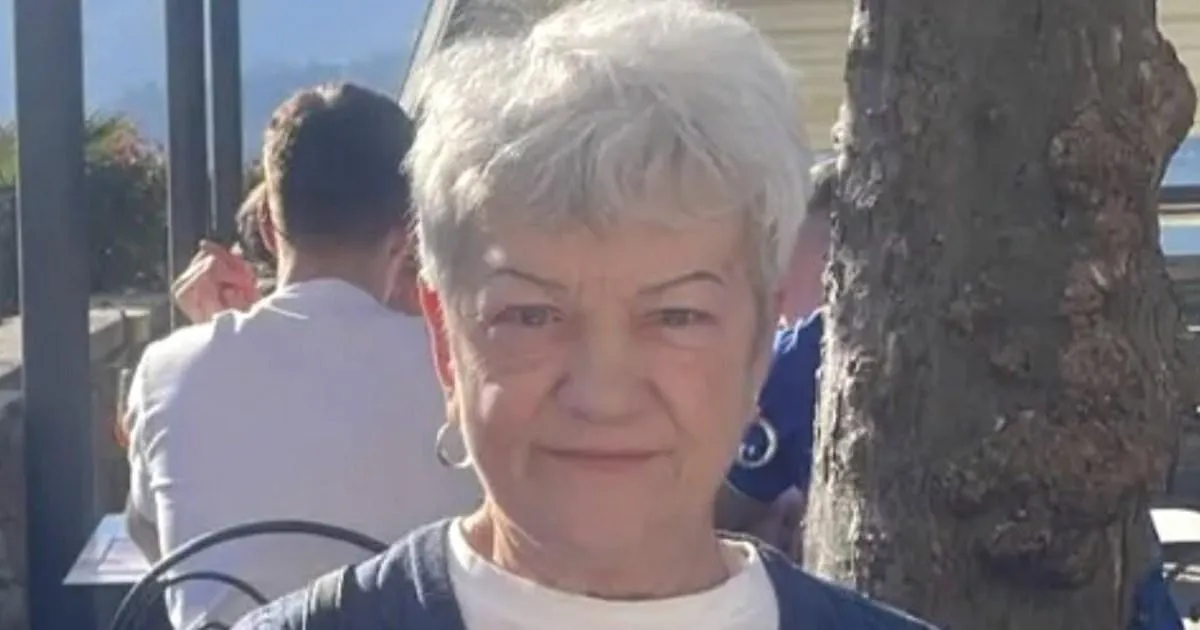
The following day, August 12th, the tragedy struck its final, devastating blow, leaving a family void that can never be refilled. Despite the desperate, round-the-clock efforts of medical professionals who fought valiantly to save her, Rose Smith succumbed to the extensive injuries she had suffered, passing away in the sterile quiet of a hospital ward, surrounded only by the anguished, silent presence of her loved ones who had rushed to her side. To the outside world, she was simply a victim of a random crime, but to those who truly knew her, Rose was an irrepressible force of nature, a woman who refused to ever fade into the background. In a heartfelt tribute released to the public, her family painted a vivid and enduring portrait of a soul who was, in their own words, “the life and soul of the party.” This phrase resonates with a thousand unspoken memories—of Rose laughing uproariously at a family joke, her eyes crinkling with genuine joy; of her organizing games and activities at gatherings, ensuring no one was left out; of her captivating strangers with an open, generous warmth that made everyone feel instantly at home. Her passions were the simple, profound joys that stitch communities together. She harbored a deep and abiding love for bingo, finding genuine thrill in the call of the numbers, the collective gasp of the hall, and the camaraderie shared over a lucky card. She treasured her trips to local cafés with her friends, where hours would melt away over cups of tea and slices of cake, filled with gossip, laughter, and the unspoken comfort of lifelong friendship. Yet, above all else—above the games and the social outings—her heart belonged entirely to her family. She treasured every single moment spent with her children, her grandchildren, and her great-grandchild, a living testament to a life overflowing with love and a legacy that spans generations. The loss of such an outgoing, vibrant, and loving presence is not merely a private family tragedy; it is a heavy, tangible blow to the very soul of the community she helped to animate, a community that has been left to grieve for a woman who was the quintessence of everyday heroism.
As the devastating news of Rose’s passing reverberated through the streets, attention also turned to the other victim of that horrific night—the 81-year-old man who had been found at the same address. Having suffered injuries during the violent confrontation, he had been raced to a nearby hospital, his initial condition causing grave concern among the medical staff and investigating officers. However, the psychological trauma inflicted upon an elderly individual who has faced an intruder in the supposed safety of their own sanctuary is a profound and insidious wound that often cuts far deeper, and lasts far longer, than any physical scar. The sheer terror of the intrusion, the chaotic disorientation of the attack, and the violation of one’s most private space can leave lasting psychological damage, and he will now have to live with the haunting memories of that night. Fortunately, in a small piece of relief, medical personnel were able to stabilize his condition, and he was discharged from the hospital the following day. Yet, he returned to a home that must have felt profoundly alien and unsafe, stripped of its comfort by the violence that had invaded it. His physical recovery will inevitably be overshadowed by the heavy, crushing burden of grief for his lost companion, and the knowledge that he could not prevent the tragedy. Meanwhile, the residents of Tollington Park and the wider Finsbury Park area were left utterly reeling. The persistent police presence, the forensic officers in their white protective suits moving with grim precision, and the constant hum of the investigation served as a stark, daily reminder that terror can strike anywhere, at any time. Neighbors huddled together in hushed, concerned clusters on the pavement, exchanging whispered condolences and trying desperately to make sense of the senseless violence that had so violently upended their peaceful corner of London.
The Metropolitan Police responded to the incident with the full, formidable weight of a dedicated investigation. A Major Crime Unit was mobilized, and a comprehensive operation was launched, treating the case with the absolute utmost severity. Officers painstakingly combed through the crime scene, meticulously collecting forensic evidence—fibers, fingerprints, DNA samples, and traces of the struggle that would help build a detailed picture of the attacker. Simultaneously, they conducted extensive house-to-house inquiries, appealing to the public for any witnesses who might have seen something suspicious in the area around the time of the attack, or anyone who possessed dashcam, CCTV, or doorbell footage that could hold a vital clue. Detectives worked tirelessly, analyzing the victims’ backgrounds to establish whether there was any connection to the perpetrator, and following up on countless leads that ranged from the promising to the dead end. For ten days, the family of Rose Smith waited in agonizing limbo, their lives suspended in a state of anxious hope that justice would be served. Then, in a significant breakthrough, the police made a decisive move. Officers arrested a 46-year-old man at an address in Apsley Close, North Harrow—a suburban area located a considerable distance from the crime scene in Finsbury Park. The arrest was the culmination of relentless police work, a testament to the fine-tooth comb approach of the investigation and the unwavering dedication of the detectives determined to secure a measure of justice for Rose.
Following his arrest, the suspect—identified as Jeffrey Dean Rose—was formally charged with two extremely serious offences: manslaughter and aggravated burglary. The charge of manslaughter reflects the tragic and fatal outcome of the incident for Rose Smith, legally indicating that the defendant committed an unlawful act which resulted in death, but without the specific intent to kill that would be required for a charge of murder. The second charge, aggravated burglary, is particularly severe, and highlights the terrifying nature of the event; it is a distinct legal classification reserved for cases where a burglar commits an assault, or enters a property with a weapon, inflicting harm upon those inside. Taken together, these charges paint a stark and harrowing picture of a routine burglary that escalated into a catastrophe, where the victims, in their own home, were subjected to brutal violence. Rose was subsequently scheduled to appear before the magistrates at Barkingside Magistrates’ Court, a stern and imposing building that would serve as the next stage in this harrowing legal saga. For the grieving family of Rose Smith, this court appearance represented a somber but crucial milestone—a step towards accountability and the eventual closure they so desperately need, even as they grapple with the grim realization that no legal outcome can ever truly atone for the monumental loss they have suffered, nor bring back the irreplaceable matriarch of their family.
As the wheels of the justice system begin to turn, the family of Rose Smith has issued a poignant and powerful plea to the public, asking that their mother, grandmother, and great-grandmother be remembered not for the brutal manner in which her life was taken, but for the spectacular way she lived it. They have described her as “loving, fun, kind, sociable and full of life”—words that are more than just adjectives; they are the foundational pillars of a lasting legacy. She was a person who gave generously of her time and her heart, who filled every room she entered with laughter and light, and who built a fortress of unconditional love around her children and their children. The tragedy of her passing is amplified by the sheer senselessness of the crime—a life defined by bingo nights, café chatter, and deep familial devotion was brutally extinguished over what was likely a futile attempt at theft. In the wake of the tragedy, the community has begun the slow, painful process of healing, finding solace in the shared memories Rose leaves behind. The floral tributes laid at the scene, the silent vigils, and the outpourings of sympathy on social media all serve as heartfelt tributes to a woman who was the quintessential anchor of her local community. As Jeffrey Dean Rose awaits his next court hearing, the world continues its relentless march forward, but for those who loved her, time has irrevocably fractured. They will carry her spirit forward, ensuring that the “life and soul of the party” never truly leaves the room, and that her memory serves as a beacon of love and resilience. The legal proceedings will do their duty, but the true resolution lies in the enduring love of a family who refuses to let their cherished Rose be defined solely by the tragedy that so cruelly stole her from them.