


The August Bank Holiday Breakdown: Strikes, Signals, and Storm Clouds Gather Over Britain’s Final Summer Getaway
As the final rays of what has been an extraordinary British summer begin to fade, millions of families, music fans, and city dwellers are preparing for what should be the last great weekend of the season. The August bank holiday has long held a special place in the national calendar—that precious three-day window when the country collectively decides to squeeze every last drop of joy from the fading summer sunshine before the inevitable march toward autumn begins. This year, however, the stars are misaligning in a way that threatens to turn this beloved national tradition into a frustrating exercise in patience and perseverance. From the muddy fields of Reading and Leeds, where thousands of music lovers will don their wellington boots and festival wristbands, to the vibrant streets of West London, where the pulsating rhythms of Notting Hill Carnival promise to transform the city into a kaleidoscope of color and sound, the entire weekend hangs in a delicate balance, threatened by a perfect storm of industrial action, engineering works, and increasingly ominous weather forecasts that suggest Mother Nature herself may have other plans for this final summer hurrah.
The most immediate threat to the nation’s bank holiday plans comes from an unlikely source: the quiet corridors of the East Midlands Railway network, where a bitter dispute between workers and management has reached a boiling point just as the country prepares to take to the tracks in record numbers. Members of the Rail, Maritime and Transport union at East Midlands Railway have announced they will walk out on both Sunday and bank holiday Monday, in a dispute that centers on concerns about employee safety that have been simmering beneath the surface for months. The union has raised serious questions about the safety record of certain trains in the company’s fleet, specifically pointing to a litany of faults that they claim make the Class 810 trains unfit for purpose. These are not trivial complaints about minor inconveniences; the union has compiled a detailed list of issues including malfunctioning air conditioning systems that can leave passengers sweltering in the summer heat, persistent door faults that raise obvious safety concerns, and toilets that have stopped working, turning what should be a comfortable journey into an ordeal for passengers and crew alike. The union’s leadership has taken an uncompromising stance, instructing its members to refuse to operate these trains until the identified faults are properly addressed, and the rhetoric from union officials suggests they are prepared for a long and bitter fight.
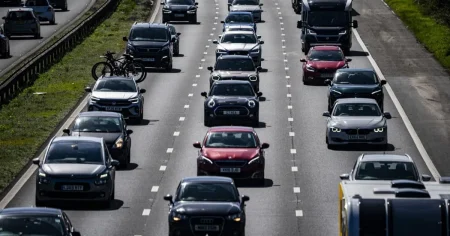
The timing of this industrial action could not be worse for the traveling public, as it coincides almost perfectly with one of the busiest travel weekends of the year. East Midlands Railway, which serves as a vital artery connecting the capital with cities like Nottingham, Derby, and Leicester, has been forced to admit that it will run a significantly reduced timetable on both affected days, with services to and from London expected to be severely constrained. The company has taken the unusual step of advising passengers to only make essential journeys on Sunday and Monday, a recommendation that will come as a devastating blow to the thousands of people who had planned to use the railway to reach their bank holiday destinations. The situation is further complicated by the fact that the strike action is happening against a backdrop of major engineering works on the wider rail network, with Network Rail having scheduled digital signaling upgrades that will see no LNER trains operating between London King’s Cross and Peterborough on Sunday. This double whammy of industrial action and essential infrastructure maintenance means that London St Pancras, already one of the capital’s busiest stations, is expected to be absolutely heaving with desperate passengers trying to find an alternative route to their destinations, creating a perfect storm of overcrowding, delays, and missed connections that threatens to turn the promised land of a relaxing bank holiday getaway into a logistical nightmare.
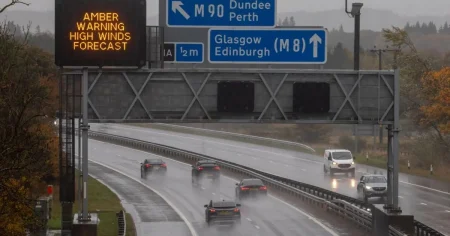
Meanwhile, those who manage to navigate the treacherous waters of railway disruption will face another formidable adversary in their quest for a perfect bank holiday weekend: the weather itself. The Met Office, Britain’s meteorological authority, has been monitoring the situation with growing concern, and their latest forecasts paint a rather gloomy picture for the final weekend of August. After what has been an unusually hot and dry summer that has seen temperatures soar and outdoor activities flourish, the bank holiday weekend is set to mark a dramatic shift in the nation’s weather patterns, as the forecaster warns of a transition from the late-summer sunshine that has bathed the country in golden light to a far more unsettled and unpredictable pattern. The cause of this meteorological upheaval is a low-pressure system that is forecast to approach the British Isles from the Atlantic, carrying with it the potential for heavy rain, thunderstorms, and localized flooding that could wreak havoc on outdoor plans across the country. The forecasters are being characteristically cautious in their predictions, noting that there might be a brief respite from the unsettled conditions early on Saturday, but this will likely prove to be merely the calm before the storm, with further spells of rain and showers expected to develop as the weekend progresses and the Atlantic system moves across the country.
The timing of this meteorological downturn is particularly cruel for those who had been hoping to squeeze every last moment of joy from the summer, particularly the hundreds of thousands of music fans who will be making their way to Reading and Leeds festivals as well as the vibrant celebration of Caribbean culture that is Notting Hill Carnival. These events, which have become as much a part of the British summer as ice cream vans and cricket matches, are particularly vulnerable to the whims of the weather, with festival goers facing the prospect of trudging through muddy fields and huddling under waterproof ponchos instead of basking in the sun with a cold drink in hand. The Notting Hill Carnival, which transforms the streets of West London into a riot of sound, color, and movement, is perhaps even more exposed to the elements, with its vibrant costumes, elaborate floats, and enthusiastic dancers all at the mercy of whatever the heavens decide to throw at them. For those who have been planning their outfits and schedules for weeks, the prospect of rain-soaked celebrations represents a bitter disappointment, though it must be said that the British have long demonstrated a remarkable resilience in the face of inclement weather, and the party will almost certainly go on regardless of what falls from the sky.
At the heart of this weekend’s disruption lies a deeper story about the state of Britain’s rail network and the ongoing tensions between workers and management that have plagued the industry for years. The dispute at East Midlands Railway is about far more than the specific faults that have been identified on the Class 810 trains; it speaks to broader concerns about safety standards, investment in infrastructure, and the treatment of railway workers in an industry that has been through decades of change and upheaval. The RMT union, which has been at the forefront of numerous industrial disputes across the rail network in recent years, has struck a defiant tone in its messaging, insisting that the safety concerns raised by its members must be taken seriously and that management cannot simply brush aside the worries of those who operate these trains day in and day out. East Midlands Railway, for its part, maintains that it is committed to resolving the dispute through dialogue rather than confrontation, pointing to the six meetings that have already taken place between company representatives and union officials in an effort to find common ground. The company’s customer experience director, Philippa Cresswell, has expressed sincere regret for the disruption that the strike action will cause, acknowledging the frustration that passengers will feel at having their bank holiday plans thrown into chaos, but the fundamental disagreements at the heart of this dispute appear to remain stubbornly resistant to resolution.
As the nation braces for what promises to be a challenging weekend, there is something almost poetic about this final act of an extraordinary summer. The season that began with such promise, that saw the country bask in unprecedented warmth and sunshine, that saw families flock to beaches and parks and gardens in their millions, is now limping toward its conclusion in a rather undignified manner, marked by industrial disputes, engineering works, and skies heavy with rain. Yet perhaps this is simply the natural order of things, the inevitable cycle of seasons that has governed life in these islands long before any of us were here to witness it. The bank holiday weekend will come and go, the trains will eventually run on time again, and the skies will eventually clear, but the memories of this weekend, whether they are of triumphant performances at Leeds Festival, joyful celebrations at Notting Hill, or merely the shared experience of huddling together against the rain, will stay with us for years to come. The British have always been a nation that finds a way to make the best of things, to find joy in adversity, and to carry on regardless of what obstacles are placed in our path. So whether you’re among the lucky few who manage to secure a seat on a train, the hardy souls who brave the elements at a festival, or the sensible souls who decide to stay home with a good book and a cup of tea, this bank holiday weekend will be one to remember, not because everything went according to plan, but precisely because it didn’t.