


Morning Chaos on the Paddington Line: Commuters Face Delays and Frustration
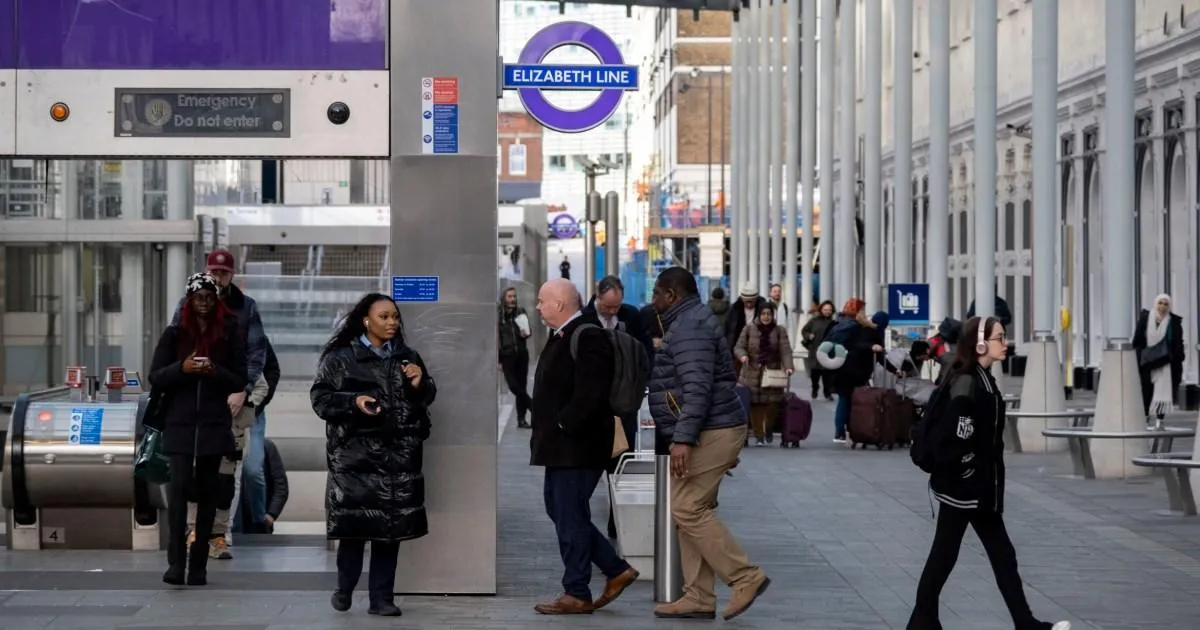
The morning commute took a chaotic turn for thousands of Londoners today as severe disruptions hit the Paddington route, turning what should have been a routine journey into a frustrating ordeal. The transport network, which usually hums with the steady rhythm of commuters heading to work, instead became a scene of confusion and delay. From early morning, passengers found themselves facing the unwelcome news that their usual trains would not be running on time, if at all. The disruption, which is expected to cast a shadow over the morning rush hour up until at least 10am, has affected three major service operators: the Elizabeth line, Great Western Railway, and Heathrow Express. For the thousands of people who rely on these services daily, the news came as a bitter pill to swallow, particularly as they were confronted with the prospect of cancellations, revised schedules, and delays of up to 45 minutes.
The root cause of this travel chaos can be traced back to overrunning engineering works that have left some lines blocked in the crucial corridor between London Paddington and the Heathrow Terminals and Reading. This stretch of track, vital for both airport-bound travelers and daily commuters alike, has become a bottleneck of frustration. National Rail has been quick to explain the situation, confirming that the overrunning works have forced them to make difficult decisions about service operations. The Elizabeth line, which has become a lifeline for many Londoners since its opening, has been particularly hard hit, with partial suspensions in both directions between Paddington, Heathrow Terminals T4 and T5, and Reading. Even the usually reliable section between Paddington and Abbey Wood, which many passengers use as their daily commuter route, is experiencing minor delays, adding insult to injury for those caught in the chaos.
As the sun rose over the capital, the disappointment and frustration of stranded passengers began to surface on social media, with many taking to their phones to vent their anger and share their morning nightmare. One particularly disgruntled commuter, who had been forced to shell out for an expensive taxi ride to work, expressed their exasperation at the situation, highlighting the financial impact of the disruption. Another passenger, who had been eagerly anticipating attending the London Film Festival, shared their sorrow at missing out on a screening of ‘Elsinore’, a poignant reminder that these delays don’t just affect work commutes but also impact people’s personal lives, cultural experiences, and special moments. The emotional toll of these disruptions extends far beyond mere inconvenience, touching on missed opportunities, wasted money, and the stress of having to rearrange carefully planned schedules.
In these moments of travel chaos, it’s essential to remember that passengers do have rights and options available to them. The most important piece of advice for anyone affected by today’s disruption is to hold onto their tickets and make a note of their delay times, as they may well be entitled to compensation through the Delay Repay scheme. This system, which has been designed to provide recompense for passengers when services are significantly delayed or cancelled, can be claimed directly through the train company that operates the service. National Rail has helpfully compiled a comprehensive list of all train companies and their individual Delay Repay schemes, making it easier for passengers to navigate the compensation process. While it may seem like a small consolation on a morning filled with frustration, claiming what you’re owed is an important step in acknowledging the impact these disruptions have on people’s lives, whether that’s the cost of alternative transport, missed appointments, or simply the stress of an unpredictable journey.
For those who find themselves stranded this morning, there are several practical options available to help navigate the disrupted network. Elizabeth line passengers are being advised that they can use London Underground services on any reasonable route, with their tickets being accepted without additional charge. Similarly, South Western Railway services between Waterloo and Reading, and London buses operating between Paddington and Heathrow Terminals, West Drayton, or Reading, are all valid alternatives for those holding Elizabeth line tickets. Great Western Railway passengers face a more complicated picture, with some services between Paddington and Oxford, and Cardiff Central not running in either direction. The frequently stopping services between Paddington and Didcot Parkway or Newbury will only operate between Reading and their final destinations, meaning passengers will need to plan alternative connections. Long-distance trains are still scheduled to run between Paddington and Reading, though passengers should expect potential delays and factor extra time into their journeys.
The Heathrow Express, which provides a premium service for airport-bound travelers, will continue to operate but with reduced frequency, running departures from Paddington at 10 minutes and 40 minutes past each hour, with return services from Heathrow leaving at 12 minutes and 42 minutes past the hour. While this reduced service may cause some inconvenience for those with flights to catch, it does provide at least some option for those who need to reach the airport. Transport for London and Network Rail are working to resolve the situation as quickly as possible, though with the disruption expected to last through the peak morning rush hour, many passengers will need to make alternative arrangements or prepare for longer journey times. For those affected by the delays, it’s worth considering flexible working arrangements if possible, or planning to arrive at their destinations later than originally anticipated.
As the morning progresses and engineers work to clear the blocked lines, the situation is expected to gradually improve, though the knock-on effects of the disruption may be felt throughout the day. For the thousands of passengers who found themselves caught up in this morning’s chaos, the experience serves as a reminder of the fragility of our transport networks and the significant impact that infrastructure works can have on daily life. While engineering works are an essential part of maintaining and improving our railway system, the overrunning of scheduled works highlights the importance of effective planning and communication. For now, affected passengers are advised to check before they travel, allow extra time for their journeys, and keep their tickets safe for potential compensation claims. Despite the frustrating start to the day, London’s transport network is resilient, and services are expected to return to normal once the essential engineering works are completed. In the meantime, the capital’s commuters have once again demonstrated their characteristic resilience in the face of adversity, adapting to the situation with a mixture of British stoicism and social media venting that has become all too familiar in the age of transport disruption.