
Here is a summary and humanization of the provided news content, structured into six paragraphs.
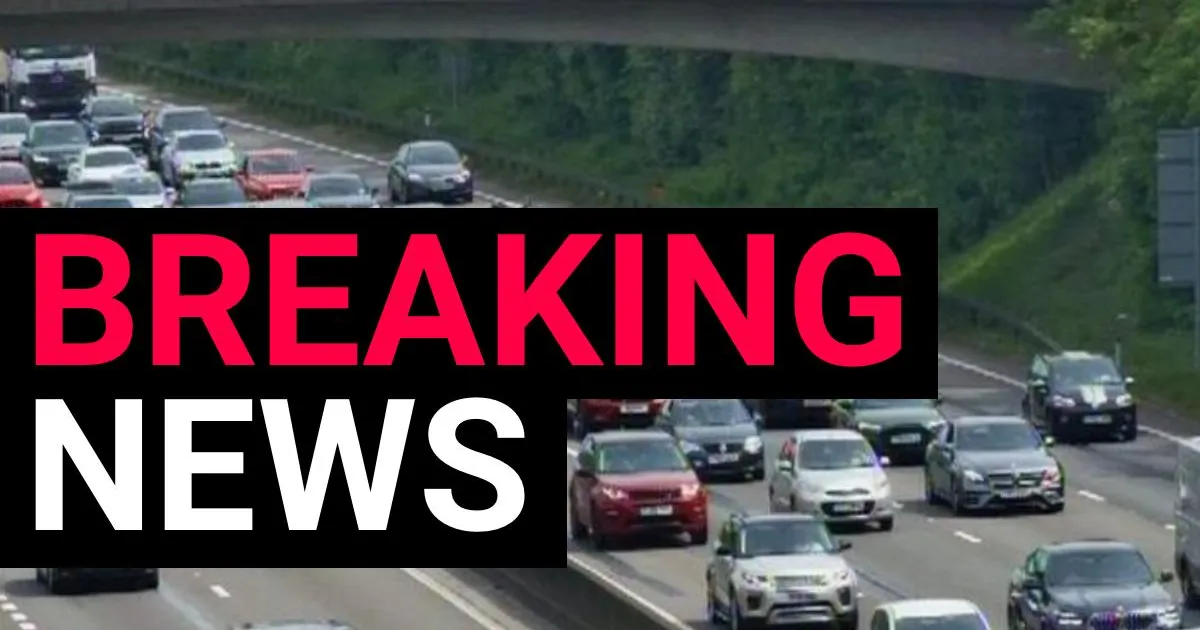
The M25, the bustling artery of London’s road network, ground to a sudden and dramatic halt this morning, transforming the daily commute into a scene of gridlock and frustration for thousands of drivers. The cause was a serious collision that occurred late last night, forcing the complete closure of the motorway’s anti-clockwise carriageway at a critical juncture between junctions 10 and 11, near the town of Weybridge in Surrey. What was meant to be a smooth journey for those returning to work and school after the long bank holiday weekend quickly devolved into a long and anxious wait, as the unwelcome news of the closure spread through traffic reports and sat-navs, leaving many motorists stranded in their cars, staring at a sea of red brake lights under the grey morning sky.
The timing of the incident could not have been worse, colliding directly with the “first day back” rush that sees millions of people across the South East retrace their steps to offices, schools, and universities. For many, this was a morning of shattered routines; parents juggled childcare arrangements, colleagues sent panicked messages about late arrivals, and those with appointments watched the minutes tick by in frustration. The area around the closure, which serves as a vital link for traffic heading towards both Heathrow and Gatwick airports, became a parking lot. Cars sat idle, engines humming, as the initial hope of a quick resolution faded, replaced by the grim realization that this was not a minor fender-bender but a major incident with significant consequences for the entire regional transport network.
Details from the authorities painted a picture of a complex and serious emergency response. The collision occurred in the dead of night, shortly before midnight, and in the hours that followed, the motorway became a hive of activity for blue-light services. Police, fire crews, and paramedics worked in tandem under floodlights to tend to those involved and manage the chaotic scene. As night turned to early morning, the focus shifted from immediate rescue to a painstaking and methodical investigation of the crash site. Forensic collision investigators were deployed to meticulously map the scene, take measurements, and gather evidence to piece together exactly how the incident unfolded, a process that legally requires the road to remain closed to ensure the integrity of the evidence is preserved.
By around 6 a.m., National Highways, the government agency responsible for the motorway, confirmed that the police investigation had concluded. However, the relief for waiting motorists was short-lived. The statement clarified that while the investigation was done, a new, equally crucial phase was just beginning: the complex task of clearing the wreckage and repairing any damage to the road surface. This is a labor-intensive job that involves heavy recovery vehicles physically lifting and removing damaged vehicles, cleaning up spilled fuel and debris, and checking the safety of the carriageway barriers. Until this work is fully completed, the road must remain sealed, and officials estimated that this would likely take several more hours, pushing the reopening well past the peak “rush hour” and extending the misery for commuters.
The human impact of the closure rippled out far beyond the stranded drivers directly at the scene. The police and traffic authorities issued repeated warnings for people to avoid the area entirely, urging those with journeys to Heathrow and Gatwick to allow for a significant buffer in their travel time or seek alternative forms of transport. The knock-on congestion was immediate and severe, blocking local A-roads and B-roads that run parallel to the motorway as desperate drivers attempted to find alternative routes, only to find those too were overwhelmed. The air was thick with the sound of blaring horns mixing with the quiet frustration of motorists, while the inconvenience for those trying to catch flights brought an added layer of stress and anxiety, the fear of missing a holiday or a crucial business meeting becoming a stark reality.
As the morning wore on, the wider implications of the “over-tourism” headlines from the bank holiday weekend faded into the background, replaced by this much more immediate and localised crisis. The story serves as a powerful reminder of how dependent modern life is on these key infrastructure links and how quickly a single event can disrupt so many lives. For those caught in the traffic, it was a day of lost time and patience, but also a moment of collective experience shared with fellow drivers. The temporary closure of the M25, while a major inconvenience, was a necessary measure for safety and justice, a stark reminder that the most important goal of any road is not speed, but ensuring that those who travel upon it are protected.