

The Sudden Storm That Threw a Major Airport into Chaos
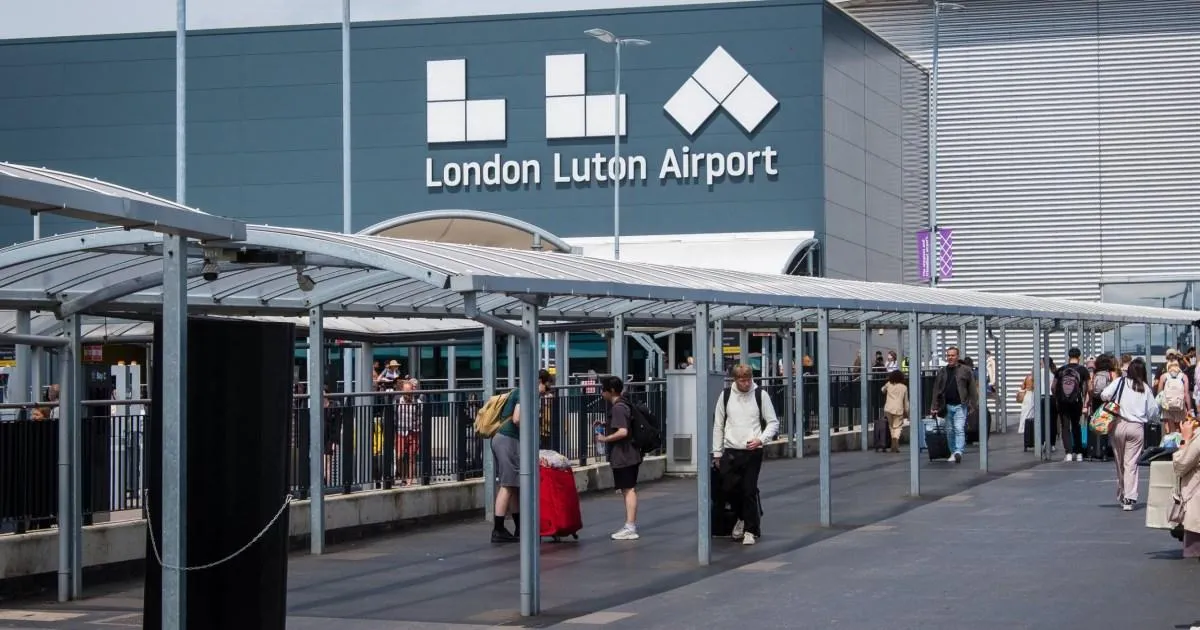
Travel plans often hinge on the most unpredictable of variables—the weather. On this particular evening, Mother Nature had a dramatic and disruptive surprise in store for passengers at London Luton Airport. A violent thunderstorm, complete with electrical activity, swept through the region with little warning. The strikes were not merely a spectacular light show; they were powerful enough to directly impact the airport’s critical infrastructure, specifically the air traffic control equipment. This essential technology, which relies on precise and sensitive signals to guide pilots, was compromised, forcing a complete and immediate halt to all flight operations at the busy hub. What should have been a routine evening of departures and landings quickly descended into a state of uncertainty for hundreds of travelers who suddenly found their journeys in limbo.
Hundreds Stranded and Forced to Diversion
The consequences of the equipment failure were immediate and far-reaching. With the air traffic control systems down and the airspace effectively closed, Luton Airport was forced to suspend all flights for a significant period, spanning from early evening until just after seven o’clock. This was not merely a brief hiccup; it was a major operational shutdown that sent shockwaves through flight schedules. Several aircraft bound for Luton were mid-flight or preparing for landing and were forced to make emergency diversions to other airports to avoid being stranded in the air. One of the primary destinations for these diverted flights was East Midlands Airport, which suddenly had to accommodate a number of unexpected arrivals. On the ground, the scene at Luton was one of disappointment and frustration, as passengers learned that their flights were either heavily delayed or, in many cases, cancelled outright, leaving them to scramble for alternative arrangements to reach their intended destinations.
Passenger Ordeal: Stories of Confusion and Resilience
Amidst the organizational chaos, personal stories of resilience and frustration began to emerge, highlighting the deeply human impact of the disruption. One mother, Sue, recounted the harrowing experience of her 22-year-old daughter, Amy, who was flying in from Belfast. Instead of landing at her intended destination, Amy’s plane was diverted southwards to East Midlands Airport. Upon landing safely, the passengers were left waiting on the tarmac for two full hours before they were permitted to disembark. Even after leaving the aircraft, the ordeal was far from over. Amy found herself in a bewildering situation, surrounded by “lots of confusing people with no idea of where they were going.” In a moment of resourcefulness and shared adversity, she joined forces with four other young women who were also travelling alone and were just as lost. They collectively made a decision to abandon the search for organized transport and instead pooled their resources to hire an Uber to take them to their destination, a testament to the spirit of cooperation that can arise in times of travel chaos.
Airport Recovery and Official Response
Following the two-hour shutdown, the airport quickly moved into recovery mode. Operations were officially resumed shortly after, but the turmoil of the evening was far from over. The backlog of delayed and cancelled flights meant that schedules would be disrupted well into the night. A spokesperson for Luton Airport released a statement to explain the situation and manage passenger expectations. They confirmed that operations were “operating again” but warned of the knock-on effects, stating, “some services may continue to experience delays or cancellations as airlines work to recover their schedules.” The airport also offered practical advice for those caught in the disruption, advising passengers to check the status of their flight directly with their respective airline for the most up-to-date information. They concluded with a courteous apology, acknowledging the inconvenience and thanking passengers for their patience while assuring the public that “safety will always remain our highest priority.”
A Broader Weather Front and Looking Forward
The chaos at Luton was just one localised symptom of a much larger weather system that was sweeping across significant portions of the United Kingdom. The storm not only wreaked havoc on the aviation sector but also brought torrential rain to the region, causing flash flooding on roads outside the airport and leading to temporary road closures. This weather front was set to mark a definitive end to a recent period of scorching temperatures. In anticipation of the severe conditions, the Met Office had issued a yellow weather warning for thunder and heavy rain, which was active until late afternoon the following day, covering London, the South East, and other regions. This warning advised residents and travellers to be prepared for further potential travel disruption and sudden downpours.
Passenger Rights and a Lesson in Shared Experience
For those whose travel plans were upended by this unforeseen event, the first question is often about compensation. In the UK and EU, airlines have a clear duty of care to their passengers. If a flight is delayed or cancelled, the airline is generally responsible for providing meals and refreshments, and if an overnight stay is required, they must provide accommodation and transport to and from it. While airlines might not be forced to pay monetary compensation for delays caused by extraordinary circumstances like severe weather—which is considered outside their control—they are still obligated to provide this practical care. Passengers are also entitled to reasonable communication, which is why many airlines provide access to phone calls and emails. With this in mind, the evening’s chaos serves as a powerful reminder of the unpredictable nature of air travel, and how a single lightning strike can transform the smoothest of journeys into a complicated test of patience, highlighting the importance of a good backup plan, travel insurance, and the kindness of fellow strangers in times of need.