

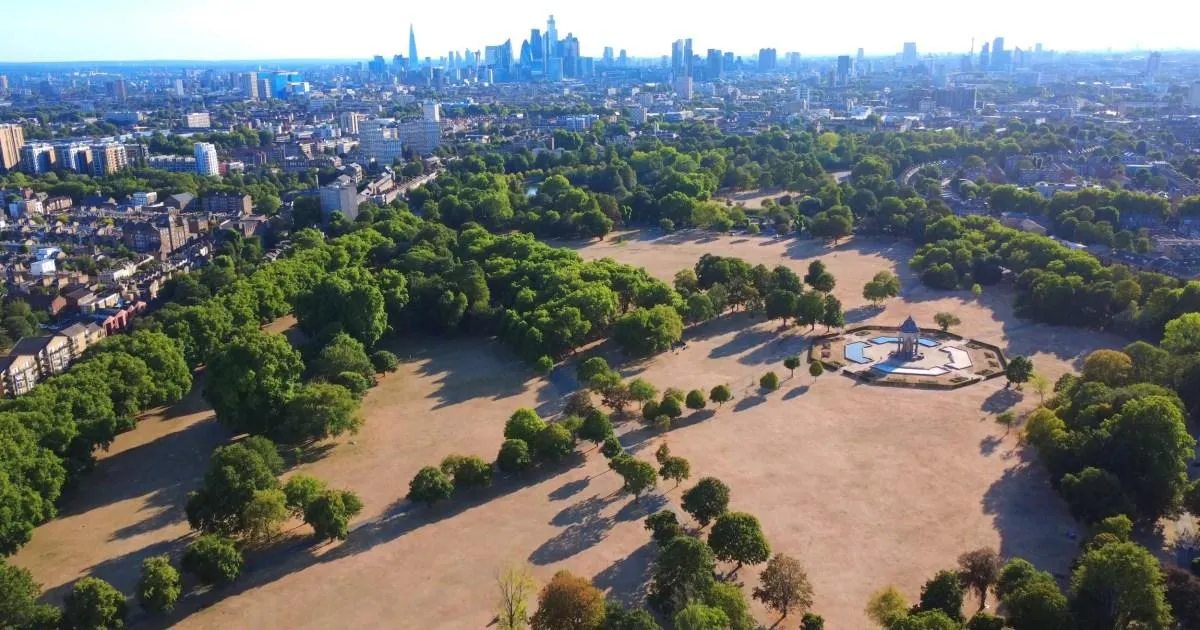
After a summer that felt like one long, glorious heat haze, the sight of grey skies and the sound of rain drumming against the window may have come as a bit of a shock. For many of us, the return of wet weather has been enough to make us mourn the sunshine and dread the months ahead. But before you dig out your winter coat and resign yourself to months of drizzle, there is a little bit of good news. The Met Office has looked into its crystal ball—or rather, its long-range forecast—and suggested that September might still have some warm surprises in store. In fact, the beginning of the month could bring “brief warm or very warm spells” to parts of the UK. This comes after a summer that broke records, with temperatures soaring well above 34C on multiple occasions. It was the kind of heat that made office buildings unbearable, parks turn golden, and everyone suddenly become an expert on where to find the nearest shaded spot. We had got used to leaving the house without a jacket, to complaining that the nights were too sticky, to seeking out the coolest corner of the supermarket car park. Now, with rain returning, the contrast feels especially sharp. Yet the forecasters suggest we haven’t seen the last of the sunshine. While the country is currently bracing itself for downpours and windy spells, especially in the south, there’s a genuine chance that the sunshine will make a comeback before autumn truly settles in. It’s a classic British weather story: never quite sure what to pack, never quite sure whether to trust the forecast, but always hopeful that a warm spell is just around the corner. The key, if you want to enjoy it, is to grab the moment when it comes—because in this country, the good weather never seems to last quite as long as we want it to.
For the time being, though, the umbrella is getting plenty of use. Heavy rain showers and gusty winds have returned to much of the country, and forecasters have warned that “intense” thunderstorms could sweep across England and Wales, bringing the kind of sudden, dramatic downpours that leave you soaked in seconds. Travel disruption is likely, with roads turning into temporary rivers and trains perhaps running slower than usual as a precaution. Commuters are being advised to leave extra time, and anyone planning to be out and about should keep an eye on the sky. It’s the kind of weather that seems to change by the hour: bright one minute, dark the next, with flashes of lightning making everyone gasp and reach for their phones. It’s not exactly the picture-perfect start to September. And yet, for many, this wet weather has come as something of a relief. After five heatwaves over the summer, with nights that stayed sticky and warm and days when the sun felt relentless, the cooler, damper conditions have felt almost soothing for some. Gardens that had turned brown and crispy have had a much-needed drink, and the air finally feels fresh again. It’s a reminder that, as much as we love a heatwave, the British summer is rarely a straightforward affair. There have been soggy scenes at festivals too, with revellers getting battered by torrential rain and storms as what felt like the last days of summer turned into a washout. It’s all a bit unpredictable, but that’s part of the charm, or perhaps the frustration, of living somewhere where the weather can change in the space of an afternoon. For now, the best approach is to keep a brolly close at hand, embrace the contrasts, and remember that this damp spell is unlikely to last forever. If the forecasters are right, the sun will soon be back to warm things up again—at least for a little while.
As we move deeper into September, the forecast becomes less certain. The Met Office itself admits that the farther ahead you look, the more the picture blurs. From mid-September onward, the distribution of rainfall becomes increasingly uncertain at this range. In plain English, that means the weather models are less sure about who gets soaked and who stays dry. What they can say is that settled or dry spells are still likely between weather systems, so there should be some pleasant interludes rather than a relentless stream of grey days. Temperatures are likely to be around average overall, although some warm spells are possible, particularly in the south. Other forecasters agree, with WX Charts predicting that temperatures could climb back to 25C by September 5 in southern England. That’s not exactly tropical beach weather, but it’s warm enough for a t-shirt, a cold drink in the garden, and perhaps one last outdoor meal before the evenings draw in. The key message, though, is flexibility. September is a month of transition, when summer and autumn seem to fight for control of the skies. One day you’re fanning yourself in the sun, the next you’re reaching for a jumper and wishing you’d brought an umbrella. The long-range forecast is not a promise; it’s a tendency. But it’s enough to hold onto if you’re not ready to say goodbye to summer. For those who are desperate for one more taste of sunshine, the early part of the month looks like the best bet. After that, it becomes anyone’s guess. The meteorological tools are impressive, but even they have limits when the atmosphere is shifting as quickly as it tends to do in September. So enjoy the warm days while they last, and let the Autumnal feeling creep in slowly.
Beyond the immediate forecast, there’s a bigger weather story on the horizon. The UK is bracing for a slew of storms and heavier rainfall this autumn and winter, thanks to a familiar but disruptive player: El Niño. This natural phenomenon occurs every three to seven years, when changes in ocean winds allow warm water to spread across the equatorial Pacific. That might sound far away, but it has a powerful knock-on effect on weather patterns across the globe, including here in Britain. In simple terms, El Niño alters the way air moves around the planet, and that can mean wetter, stormier conditions for us in the months ahead. The Met Office forecasters are particularly concerned this year because the natural warming of sea temperatures is expected to exceed 3°C in the coming months. To put that into perspective, they have described this potential event as the largest since the nineteenth century. That’s a remarkable statement, and it underlines just how unusual this year’s conditions could turn out to be. For anyone who remembers past autumn and winter storms, the prospect of an even more active season is a little daunting. It could mean more flooded roads, more disrupted travel, and more nights spent listening to the wind howl outside. But knowing what’s coming is half the battle, and forecasters are already monitoring the situation closely. The good news is that we have more warning than ever before. The bad news is that there is only so much anyone can do to prepare for weather that is, ultimately, out of our hands. Still, forewarned is forearmed, and this El Niño is likely to be one of those stories that dominates the headlines over the next season.
The scientist leading the Met Office’s long-range forecasting work is Professor Adam Scaife, and he has been refreshingly honest about the scale of what they are seeing. “We should be clear that this is an unprecedented event,” he said. “I have never seen an El Niño signal this intense in our forecasts.” That’s a sobering admission from someone who has spent a career studying the climate. To understand why, Scaife explained that a typical El Niño leads to an equatorial Pacific sea-surface temperature rise of between one and 2°C, with 2°C already considered a really big event. The fact that forecasters are now talking about a rise of more than 3°C is extraordinary. If those predictions prove accurate, he added, the coming year will “far exceed our recent experience of El Niño and its worldwide climate influences.” In other words, the effects could be felt long after the immediate storms have passed. We might see knock-on impacts on temperature, rainfall, and weather extremes in ways that we haven’t dealt with for generations. It’s a reminder that the weather is not just about whether to wear a coat today; it’s part of a much larger, interconnected system. And while forecasters can’t tell us exactly where or when the strongest impacts will land, they are confident that this year’s El Niño is something to watch very closely. For the rest of us, it means staying flexible, keeping an eye on the latest updates, and probably investing in a decent pair of waterproof boots. It also means not getting too comfortable with whatever weather arrives next week. The bigger picture is always changing, and this year it seems to be changing faster and more dramatically than at any point in living memory.
On a more everyday level, the strange mix of very dry summer weather and sudden downpours has already started to leave its mark in unexpected ways. If you’ve noticed cracks appearing in your home’s walls or ceilings, especially in places like London, you’re not imagining things. After months of dry weather, the ground can shrink, and that movement sometimes shows up in the structure of buildings. It’s a quiet reminder that weather doesn’t just shape our plans; it shapes our homes and lives too. Even the advice given to dog owners has shifted slightly, with vets suggesting that one important question to ask a pet sitter before leaving your dog is about how they’ll handle hot and stormy conditions. And for those who braved outdoor events, the summer ended on a soggy note, with festivalgoers hit by heavy rain and storms. It all makes for a season that felt both extreme and unpredictable. Still, there’s something very British about the way we talk about it all. We complain about the heat, then complain about the rain. We trust the forecast long enough to make plans, then mutter when it gets it wrong. Through it all, we carry on, packing layers, keeping a spare umbrella in the car, and hoping for the best. The message from meteorologists is simple: expect a bit of everything, stay flexible, and keep an eye on the latest updates. Whether it’s a brief warm spell in September or a stormy winter brought by El Niño, the weather is never just weather. It’s the backdrop to our daily lives, and this year it seems determined to keep us on our toes. So yes, the rain is back—for now. But so is hope. And in Britain, that’s usually enough to get us through.