
Paragraph 1: The Dawn of Hope
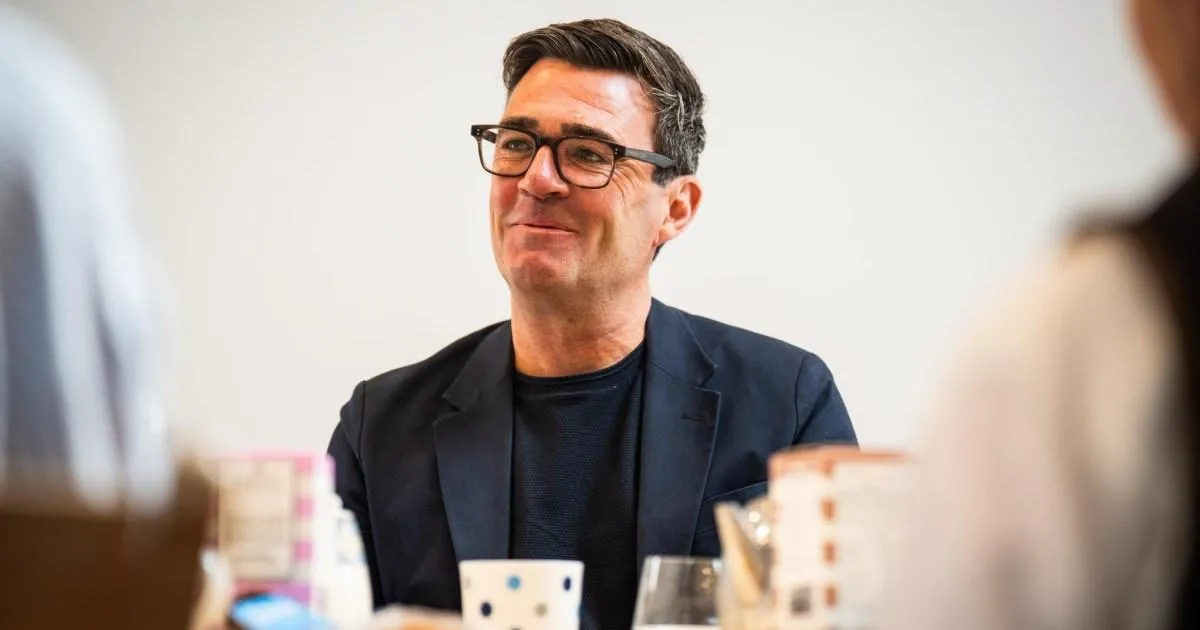
This morning, I woke to news that stopped me in my tracks. Andy Burnham, the Mayor, is proposing a £442 million plan to get everyone sleeping rough off the streets by Christmas. I had to let the words sink in. It felt impossible, audacious, and deeply hopeful all at once. For over twenty years, I have campaigned to end homelessness, driven by a past I can never forget. To hear a political leader finally speak with such conviction and propose such a concrete, substantial plan felt like a monumental shift. It felt like I was finally being listened to. The voices of those who have lived it, who have felt the cold pavement beneath them and the sting of being ignored by passers-by, were finally being heard. The proposal goes beyond a simple promise, offering accommodation to every rough sleeper in England this winter, alongside practical support for their health needs. It acknowledges what I have known all along: that a roof is only the first step, and that the complex, intertwined issues of physical and mental health cannot be separated from the tragedy of homelessness. For the first time in a very long time, it feels like the conversation has changed.
Paragraph 2: The Scars of a Childhood Lost
My own experience began when I was just 13 years old, thrust out of the care system with nowhere to go. I spent over a decade oscillating between the brutal reality of the streets and the instability of temporary accommodation, before finally exiting homelessness at 24. As a teenager and young woman, I would find a hidden spot behind Charing Cross station, my primary goal to remain invisible. The constant fear of attack, abuse, or being moved on by authorities was a daily, exhausting reality. On desperate days, I was forced to beg on the Strand, the shame and humiliation a heavy cloak, just to earn enough for a single meal. This life is one most people can never truly imagine. It’s not just about the physical discomfort; it’s the soul-crushing knowledge that you don’t belong anywhere, that you are a problem for society to manage, rather than a person in need of help. I was not just a ‘rough sleeper’ who needed a short-term fix; I was a young girl carrying years of childhood trauma from moving between foster homes and children’s homes. When I later struggled with addiction and my mental health, support was nowhere to be found. The systemic failures that led me to the streets continued to fail me once I was on them.
Paragraph 3: The Cruelest Season
The wintertime was always the hardest. The city would transform into a festive tableau – everyone seemed to be rushing home, carrying shopping bags full of presents, meeting friends for celebratory drinks, and anticipating the warmth of family gatherings. I had none of that. I had no home to go to, no family to spend the holidays with. Christmas became a season of stark contrasts, a painful reminder of everything I lacked. Amidst this desolation, one of the only glimmers of light was ‘Crisis at Christmas’. This initiative, run by the charity Crisis, provided respite in the form of food, warmth, healthcare, and, most importantly, companionship. It was a place where I could get a hot meal, a shower, a clean change of clothes, and a safe, warm place to sleep. But the most profound gift they offered was something far simpler and more essential: they spoke to me like a human being. They looked me in the eye. This feeling of being welcome, of being seen as a person rather than a problem, was everything. It’s a feeling we often underestimate, but when you’ve spent years feeling like you don’t belong anywhere, that simple act of human decency can be a lifeline.
Paragraph 4: A Blueprint from the Pandemic
So, when Andy Burnham speaks about getting people off the streets by Christmas, I desperately want this to work. Many will be skeptical, questioning whether it’s truly possible to end rough sleeping. But we have done it before. During the peak of the COVID-19 pandemic, the ‘Everyone In’ policy was a resounding success. Thousands of people who would otherwise have been left to suffer on the streets were suddenly given somewhere safe to sleep. Politicians seemed to have a collective awakening, realizing that leaving our most vulnerable citizens to die on the streets was not an acceptable policy. This scheme proved, unequivocally, that with sufficient funding and a genuine political will to improve people’s lives, monumental change is possible. It wasn’t a magic wand, but it demonstrated that the logistical and financial hurdles often cited as barriers to action can be overcome in an instant when the will is there. It showed that ‘impossible’ is just a word we use when the priority isn’t high enough. The pandemic, for all its tragedies, provided a blueprint for what a compassionate society can achieve.
Paragraph 5: More Than Just a Roof
However, I’d be lying if I said I wasn’t anxious about what happens next. Getting somebody off the street is not the same as ending their homelessness. Homelessness is rarely an isolated event; it’s the culmination of a series of systemic failures – a chronic shortage of social housing, poverty wages, failing care systems, and inadequate mental health support. I hope that Andy Burnham and his team take this complex reality into account. We need a comprehensive, long-term strategy that addresses the root causes, not just the symptoms. The latest figures show over 175,000 children living in temporary accommodation, and when you factor in those sofa surfing or hidden from public view, especially women, the true scale of the crisis is staggering. It’s great to give people somewhere safe to sleep tonight, but the ultimate goal must be to move them into safe, permanent homes with the necessary support to heal from the trauma they have experienced. This means providing mental health care, addiction services, life skills, and job training. It’s about rebuilding lives, not just clearing the streets. It should be a journey from a temporary shelter to a permanent home, with a safety net strong enough to catch people before they fall back.
Paragraph 6: From the Streets to the Solution
My life is very different now. I am a consultant and speaker on homelessness, training professionals and sharing my perspective from the other side. My journey from the streets to a life of purpose is a testament to what is possible with the right support, but it doesn’t work out this way for everyone. I am a living example that people experiencing homelessness are not their circumstances. We are individuals with hopes, dreams, and potential, often buried beneath layers of trauma and neglect. The new proposal is a bold and welcome step, and I’m more hopeful than I have been in years. It signals a shift in political will, a recognition that the status quo is not only unacceptable but solvable. But we must go further. We must move from managing homelessness to ending it. We need to focus on the long game, ensuring the man or woman brought in from the cold this Christmas is not just sheltered for the holiday season, but given a permanent key to a home and the support to turn that house into a home, a future, and a life. Getting someone off the street is one thing. Making sure they never have to go back is a promise we must all work to keep.