


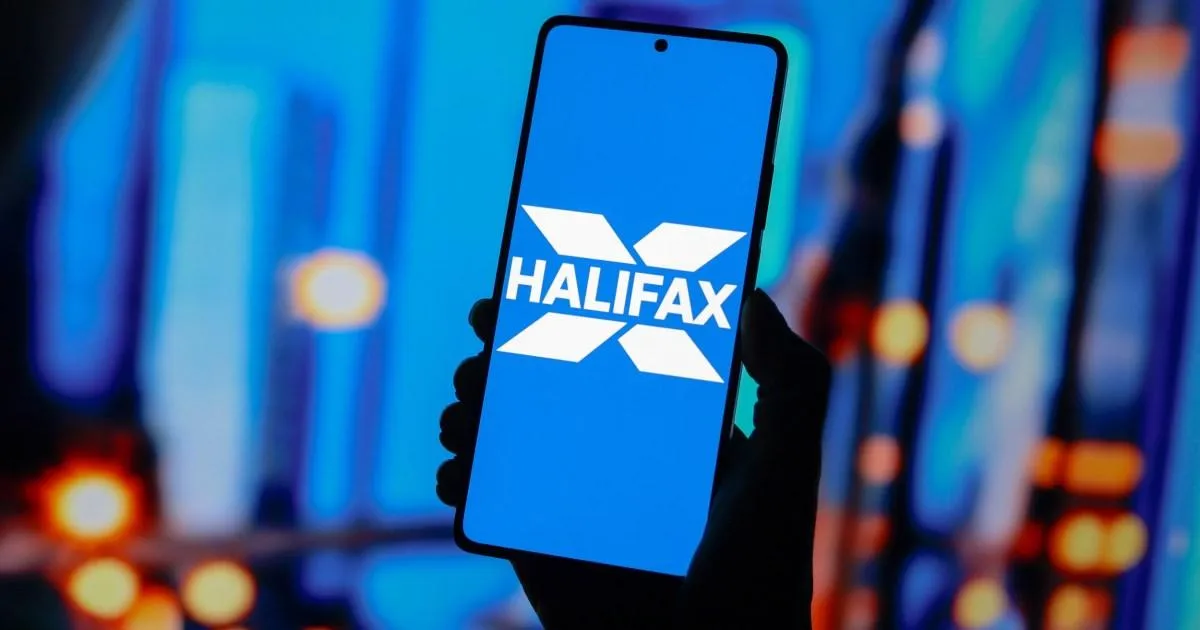
Few names on British high streets carry as much history as Halifax. The bank has been around for more than 170 years, quietly sitting in town centres, handling first savings accounts, mortgages, and the everyday ups and downs of family finances. For many customers, Halifax isn’t just a bank; it’s the place where parents paid in pocket money, the name on the passbook from a childhood savings account, the logo on the credit card that paid for a first holiday. That’s why the announcement from Lloyds Banking Group — which owns Halifax as well as Bank of Scotland — landed with such weight. In July, the company confirmed it is scrapping Halifax as a brand. The first major step is the mobile app. From October 31, the Halifax app will no longer be available to download from app stores, and from November 1 it will no longer be a way to access your money. For the millions of people who still use Halifax for day-to-day banking, that sounds alarming. But let’s pause for a second. The most important thing to know is that your money is not disappearing. Lloyds has been at pains to stress that customer funds are safe. This is not a collapse or a takeover in the usual sense; it’s a consolidation. Halifax is being absorbed into Lloyds, and the familiar brand will gradually fade from your phone, your cards, and eventually the high street. That doesn’t make it any less emotional for people who have trusted the Halifax name for decades. But it does mean the change is manageable — provided you know what to do next.
What should Halifax customers do? Not much, actually. That might sound strange given the scale of the news, but the whole point of this migration is to make it as smooth as possible. Halifax has already started contacting its customers, inviting them to download the Lloyds app. In the bank’s own words: “In just a few easy steps, you’ll be up and running, with everything you need ready for you – your accounts, payments you’ve set up and any letters and statements we’ve sent to your digital inbox.” You don’t need to open a new account. You don’t need to give your employer new bank details. Your sort code, PIN and direct debits will stay exactly the same. The only difference is that instead of opening the Halifax app, you’ll open the Lloyds app. For people who are worried about missing a payment or going overdrawn, this should provide real comfort. Nothing about the underlying account is changing at this stage. Your balance, agreed overdraft, payments and statements will all be waiting for you in the new app. You will also receive a new Lloyds-branded debit card in the post, and if you have a Halifax credit card, a replacement will come too. The bank says there is “no change to your account or policy features and benefits today.” That means interest rates, monthly charges, and any special offers you’ve got should carry over. The best thing to do is simply download the Lloyds app before October 31 and follow the instructions. If you don’t use mobile banking, you may still need to adjust how you access digital services, but the actual banking relationship is moving wholesale. In other words, the hard work has been done for you. You just need to take the final step.
This is not just an app change. It’s the end of the Halifax name as we know it. New customers will no longer be able to open accounts with Halifax. Over time, the brand on existing Halifax accounts and policies will change to Lloyds. The timetable for that is not instant. The rebranding will happen gradually: some products might switch sooner, others later, and customers will be told before any changes take place. The group has said: “Updates may happen at different times, and we’ll always let you know before anything changes.” For customers, that means you may still see the word Halifax on paperwork for a while. You might be using the Lloyds app while your mortgage statement still carries the old logo. That’s normal. The important thing is that the terms of your products are not changing. This isn’t a chance for the bank to quietly alter your interest rate or take away benefits. The account features you signed up for remain in place. It’s just that the name above the door is changing. If you’re attached to the Halifax brand, this might feel like the end of an era. And in a sense, it is. A bank that has been around since the 1850s is being retired. But in the bigger picture, Halifax is not the first brand to disappear into a larger banking group, and it won’t be the last. Lloyds Banking Group owns Halifax and Bank of Scotland, and after this move it will focus on a single high-street identity for these customers. That can be easier for the company, but it also means saying goodbye to a piece of British banking heritage. It’s a reminder that even the most trusted institutions can change, especially when the financial world is moving so quickly toward digital services and consolidated brands.
The changes go wider than your phone screen. The Halifax brand disappearing also means big changes on the high street. Lloyds Banking Group is in the middle of closing nearly 250 branches over the next couple of years. That’s a huge number, and it affects communities across the country. The closure list includes towns and cities such as Chepstow, Camborne, Ryde, Harborne, Deal, South Shields, Gorseinon, Southampton, Stamford, Blackpool, Knowle, Rotherham, St Helens, Devizes, Widnes, Chesterfield, Arnold, Llandudno, Braintree, Accrington, Wallsend, Ilkeston, Willenhall, Leicester, Huyton, Wakefield, Wigston, Worksop and Harrogate, with further closures planned in Sheffield, Clevedon, Ebbw Vale, Street, Honiton, Wednesbury, Heswall, Ringwood, Longton, Didcot, Hinckley, Newmarket and Kirkby in 2027. After all of that, the group will be left with around 531 branches, and about 190 of those are currently Halifax outlets. But here’s the reassuring part: just because the Halifax brand is gone doesn’t mean all those branches will close. In many cases, the Halifax signs will simply be taken down and replaced with Lloyds branding. The building will still be there, the cash machine will still be there, and the staff will still be there. For customers, there’s also a useful practical detail: Lloyds, Halifax and Bank of Scotland customers can already use one another’s branches for everyday banking, whether that’s withdrawing money, depositing cheques or asking for help. So even if your usual branch is on the closure list, you won’t be left without options. You may just need to travel a little further or use a different branch name. This is part of a wider trend, of course. Banks across Britain have been reducing their physical footprints for years as more people move to phone and online banking. But for those who prefer face-to-face banking, the rebranding is meant to make things simpler, not harder.
For most Halifax customers, the practical steps are straightforward. But the emotional side is worth acknowledging. A bank account is more than a financial product. It’s tied up with paydays, first apartments, family budgets, and those occasional anxious calls to customer services. Seeing the name change can feel like losing a familiar landmark. If you’re an older customer who doesn’t feel confident with smartphone apps, the news might be even more unsettling. You may wonder whether you’ll be forced into digital banking whether you like it or not. The honest answer is that banking is becoming more digital, but there will still be branches, and there will still be people to help. The Lloyds app is designed to be simple, and you don’t have to do everything alone. You can ask a family member to help you set it up, or go into a branch and speak to someone. Your PIN stays the same, your cards still work, and your account won’t suddenly be locked because you haven’t downloaded an app by November 1. That said, if you do want to manage your money on your phone, the switch really does need to happen before the Halifax app stops working. Once it’s gone from app stores, you won’t be able to download it again. The good news is that the Lloyds app will already have your information ready. Your accounts, payees, direct debits, statements and messages will all be there, waiting for you to log in. For most people, it will take a few minutes. For a brand that has been around for more than 170 years, it’s a surprisingly simple sign-off.
The bottom line is simple: don’t panic, but do prepare. Halifax is not vanishing overnight, and your money is not at risk. The bank is being folded into Lloyds by its parent company, Lloyds Banking Group. The app will disappear from app stores on October 31, and after that the Halifax app will no longer work. Before that date, download the Lloyds app, log in, and check that everything looks familiar. If you have savings products, a mortgage, or a credit card with Halifax, those arrangements will continue under the Lloyds brand. New cards will come to you in the post, and any future letters and statements will start showing the new name. The switch may feel strange at first, but it’s designed to be seamless. Your sort code and direct debits aren’t changing, so you won’t need to contact your employer or energy company. You won’t need to cancel anything or open a new account. You just need to move from one app to another. For anyone who has grown up with the Halifax name, it’s okay to feel a bit nostalgic. It has been a quiet presence in British life for more than 170 years. But banking moves on, and the safest way to honour that history is to make sure you’re ready for the next chapter. Take a few minutes now, download the Lloyds app, and you’ll be set. The Halifax sign may be coming down, but your money, your account and your financial life are moving with you.